


RK Sohan shows Bangladesh beyond tourist spots and viral videos

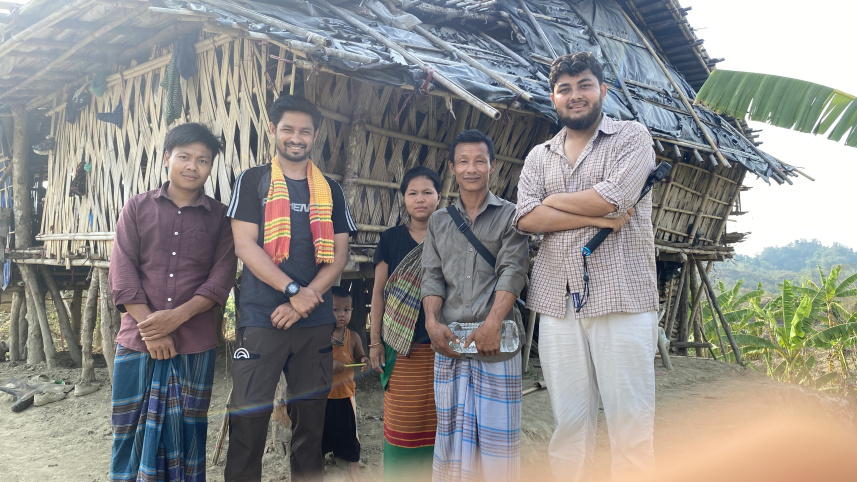
In a world where content creation has taken centre stage, it is safe to say that an average viewer has scrolled through almost all genres of videos. However, there is a certain kind of content that makes you pause, not because it is loud, overly dramatic, or edited to death, but because it feels like someone actually took the trouble to see things properly. That is the feeling one gets while speaking to RK Sohan.
He is known to many as a travel content creator, but that label feels a bit too small for what he does. Making Travel content? Sure. But he also captures stories of people, food, forgotten practices, and local knowledge. Odd little customs that most of us pass by without asking a second question. The way lentils are cooked in one remote pocket of the country, or the way paddy is preserved somewhere else. A palm cake from Akhaura. Jar-fishing. Mud biscuits. Things that sound almost made up until someone goes there, sits with the people, and listens.

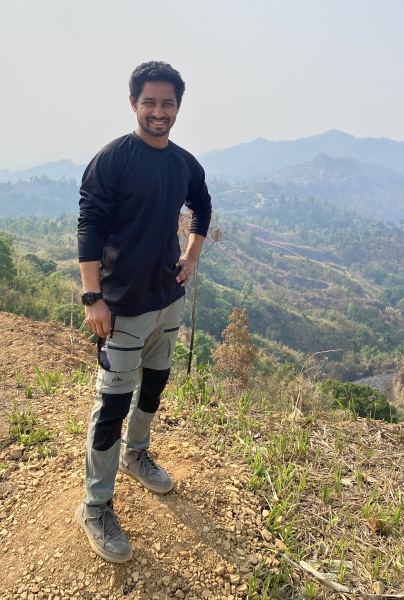
His journey started not from some grand influencer dream, but through fieldwork. Sohan started working for an NGO in 2021, and the job took him to remote areas where he was required to document project information and interview beneficiaries. Somewhere between the reports and the interviews and the long drives, something changed.
“I noticed many unique, unseen local customs,” the traveller adds. “I started documenting and uploading these observations, and they gained a lot of interest.”
That is perhaps the most honest origin story for a creator, thanks to his curiosity.
The moment when he realised this could become something bigger came during a difficult personal time.
After a breakup, he travelled to Cox’s Bazar to clear his head. One of his videos unexpectedly reached 300,000 views. For someone used to a few thousand views, that was not a small jump. Then came a video on the iftar market in Old Dhaka, followed by another on his home sub-district, Saidpur. Both crossed one million views almost overnight.
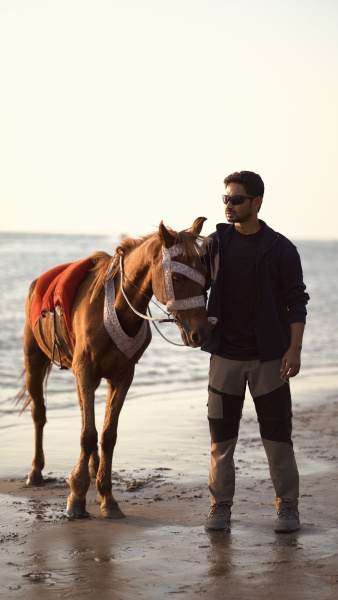
“That was the moment I felt truly inspired to take this seriously,” he said.
Numbers are only one part of the story. And frankly, in Bangladesh, we have seen enough viral creators to know that reach alone does not always mean depth. What makes Sohan’s work interesting is the research behind it. He does not just arrive at a place, point a camera, and declare it beautiful. His team looks for what he calls “market gaps,” meaning stories others have missed.
“Our research happens in three stages,” he explained. “First, we use the internet to see what content already exists for an area. Second, and most importantly, I get calls from local people, fishermen, boatmen, or villagers, who share authentic information I could never find online. Third, we use AI tools to cross-check details and generate further insights.”
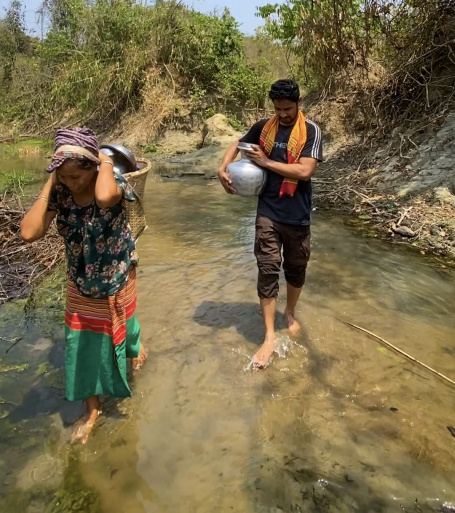
Then he said something that explains why the videos often feel fuller than the usual “let’s explore” format: “About 90 per cent of our work is actually based on this research.”
That 90 per cent is the difference!
Of course, the final video does not show everything. It does not always show the failed trips, the missing supplies, the miscommunication, or the physical risk. Sohan once had to make three separate trips to the hills just to film a specific ethnic recipe. He has been stuck in a remote village for seven days during Cyclone Remal with no transport. He has dealt with fears of armed groups in the hills, bandits, and wild animals in the Sundarbans.
He, however, chooses not to make suffering the headline.
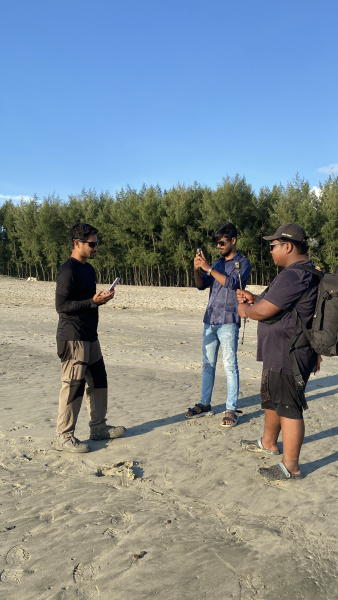
“I don’t want to demotivate my audience or highlight negative aspects,” he said. “While I know that negative content or scam videos often get more clicks due to human psychology, I want to focus on building a positive image of Bangladesh.”
This is where one has to be careful.
 For all latest news, follow The Daily Star's Google News channel.
 Positive storytelling can easily become sugar-coating. From what Sohan says, his intention is not to hide danger completely.
“If a place is genuinely dangerous, I will add a warning to the video,” he said. The point, for him, is not to turn Bangladesh into a tourist brochure. It is to show the parts of the country that deserve attention before they disappear into the usual noise.
His approach to brand work also says something about where he draws the line.
“For brand collaborations, I have a strict rule: I stay at the hotel or resort for a day or two first to verify their service quality,” he said. “If the experience is bad, I refuse the deal and pay for my stay out of my own pocket.”
That may sound simple, but in an industry where every second post can become a paid recommendation, it matters.
In the coming two years, Sohan is planning to launch an academy to create a new generation of creators who can produce quality and impactful content on Bangladesh’s culture and heritage. It is an ambitious dream, sure, but not a far-fetched one. His own story has proven that content creation does not always have to start with performance. Sometimes it starts with a road, a village, a conversation and one person listening when everyone else is scrolling by.
Photo: Courtesy
Comments