


A World Cup own goal that led to murder
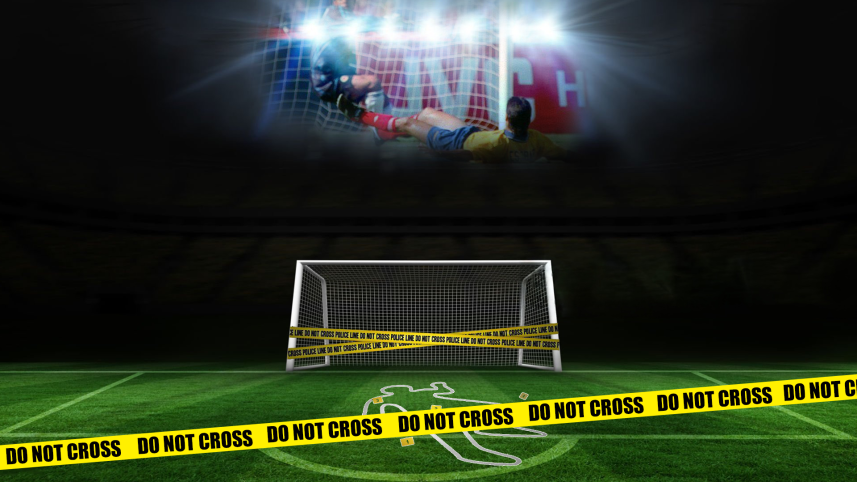
Scoring an own goal is every defender's nightmare. Most players replay the moment in their heads for years. Andrés Escobar never got the chance. On 22 June 1994, Colombia faced the United States in a must-win World Cup match. Just over half an hour into the game, American midfielder John Harkes drove a low cross into the box. Escobar stretched to intercept it, but the ball flew past his own goalkeeper and into the net.
Colombia eventually lost 2-1 and crashed out of a tournament where many had tipped them to challenge for the trophy. It was a mistake. Ye, less than two weeks later, Escobar was dead. The 27-year-old defender returned home to Medellín after Colombia's early exit. Friends had advised him to stay away for a while until the anger surrounding the World Cup had settled. Instead, he chose to return, believing life had to go on.

On the night of 2 July, an argument broke out outside a nightclub. Escobar was shot six times.
Witnesses later claimed his killer shouted "Goal!" after each shot, turning the moment that haunted his career into the final words of his life.
Football has always searched for someone to blame.
Italy still remembers Roberto Baggio's missed penalty in the 1994 World Cup final. Four years later, David Beckham went from England's golden boy to its biggest villain after his red card against Argentina. Newspapers tore into him, effigies were hung outside pubs, and death threats followed him wherever he went.
Social media did not exist then. If it had, the abuse would probably have been even louder.
Escobar's story sits alone because the hatred did not stop at words. What makes it even harder to accept is the kind of player he was. Nicknamed "The Gentleman", Escobar was respected across Colombia for his calm personality and clean style of defending. He was not known for controversy or reckless tackles.
After the World Cup exit, he even wrote a newspaper column urging Colombians to stay positive, ending it with the simple line, "Life doesn't end here." For him, it did.
More than 30 years have passed, yet every World Cup seems to produce another player carrying the weight of an entire nation. A missed penalty, an own goal or a costly mistake can turn a hero into a villain within minutes. Today, the abuse usually arrives through thousands of comments, messages, and posts instead of newspaper headlines.
Most players eventually rebuild their careers. Andrés Escobar never had that opportunity. His story is remembered every four years when the World Cup comes around. So is the reminder that football, for all its joy and passion, can sometimes ask far too much from the people who play it.
 For all latest news, follow The Daily Star's Google News channel.
Comments