How Mohammedan Sporting Club shaped Muslim identity in colonial Bengal

Sport is often presented as a realm separate from politics. In reality, the two have long been intertwined. Nowhere was this more evident than in colonial India during the late nineteenth and early twentieth centuries, when sporting arenas became important sites for contesting identity, status and power.
In the summer of 1934, newspapers across Calcutta celebrated an unprecedented sporting triumph. Mohammedan Sporting Club had become the first Indian team to win the prestigious Calcutta Football League, a competition long dominated by British military sides. To many observers, it was a remarkable sporting achievement. To countless Muslims across the subcontinent, however, it meant far more than a football victory.
The success of Mohammedan Sporting Club represented the culmination of a broader social and cultural awakening that had been gathering momentum among Indian Muslims since the nineteenth century.
The story begins in the aftermath of the Battle of Plassey. The defeat of Siraj ud-Daulah and the expansion of British rule displaced much of Bengal's Muslim elite, leaving Muslims facing political decline, economic hardship and growing uncertainty under the new colonial order.
Early efforts to reverse this decline, including the Wahhabi movement, the Faraizi movement and the uprising of 1857, failed to challenge British rule. By the late nineteenth century, many Muslim intellectuals had turned instead to education, social reform, literature, culture and institution-building as the path to collective renewal. It was within this broader movement of regeneration that the idea of a Muslim sporting institution began to take shape.
During the 1880s, several attempts were made to establish clubs that would serve the aspirations of educated Muslim youth in Calcutta. One such initiative was the Jubilee Club, founded in 1887 under the leadership of Khan Bahadur Nawabzada Aminul Islam and several other prominent figures. Despite the enthusiasm and commitment of its founders, the club failed to survive because of organisational difficulties.
Other initiatives soon followed. The Crescent Club was established and later renamed Hamidia Club. Yet none of these organisations succeeded in establishing a lasting presence. Their repeated failures reflected not a lack of enthusiasm, but the persistent determination of educated Muslims to build institutions of their own that could endure and serve the wider community.
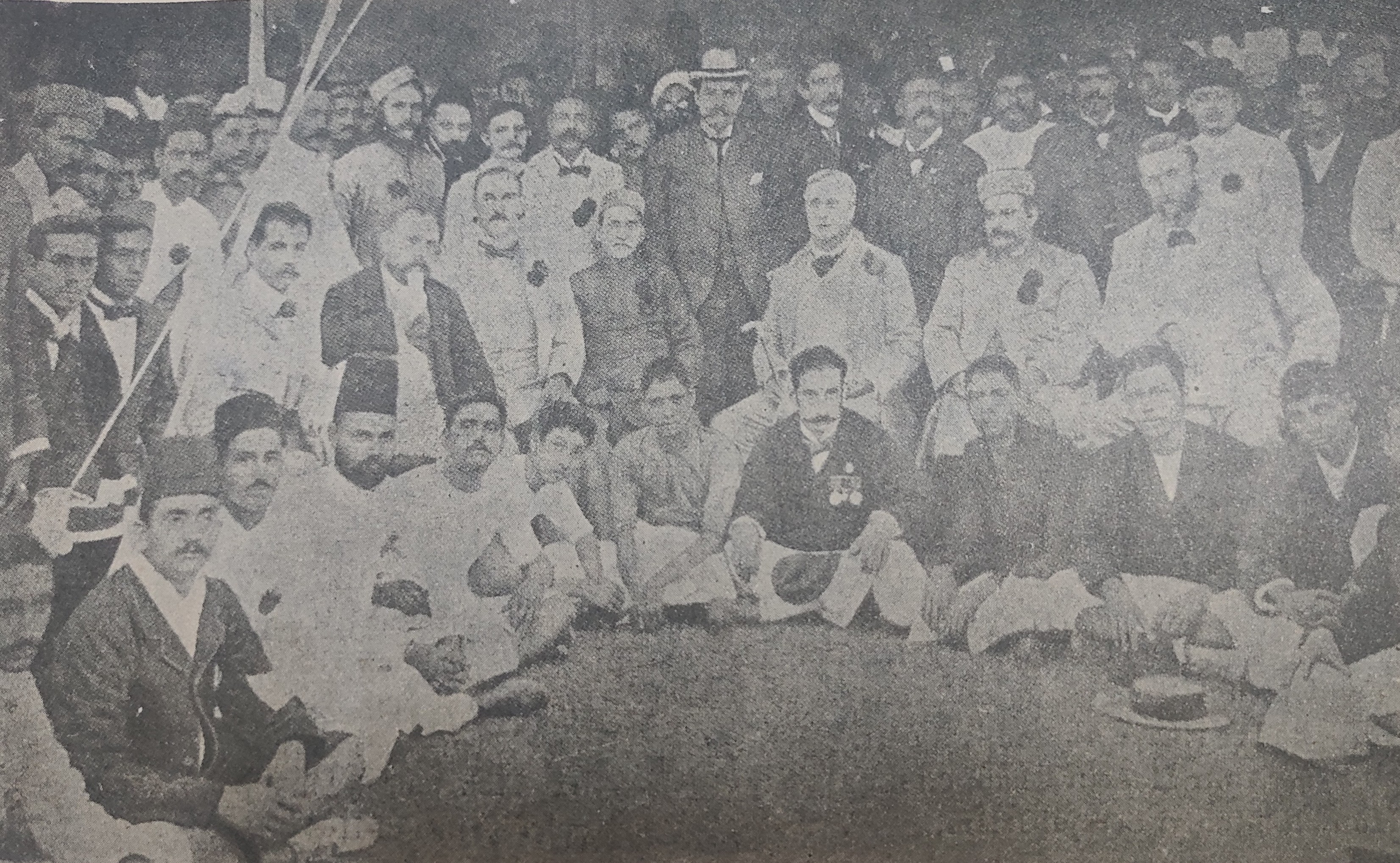
That determination finally bore fruit in 1891 with the establishment of Mohammedan Sporting Club.
The new organisation quickly attracted support from prominent Muslim leaders and patrons. Its first general meeting was held at Calcutta Madrasa on January 19, 1892 under the presidency of Syed Amir Ali, one of the most influential Muslim intellectuals of the period. An executive committee was formed with the participation of several notable figures from Bengal's Muslim society. The involvement of such personalities gave the club both legitimacy and prestige, laying the foundation for its future growth and influence.
The club also enjoyed the patronage of influential Muslim leaders, including Dhaka's Nawab Ahsanullah. With such support, it organised competitions such as the Nawab Ahsanullah Cricket Tournament and the Amir Hossain Hockey Cup, further strengthening the links between organised sport and the emerging Muslim public sphere.
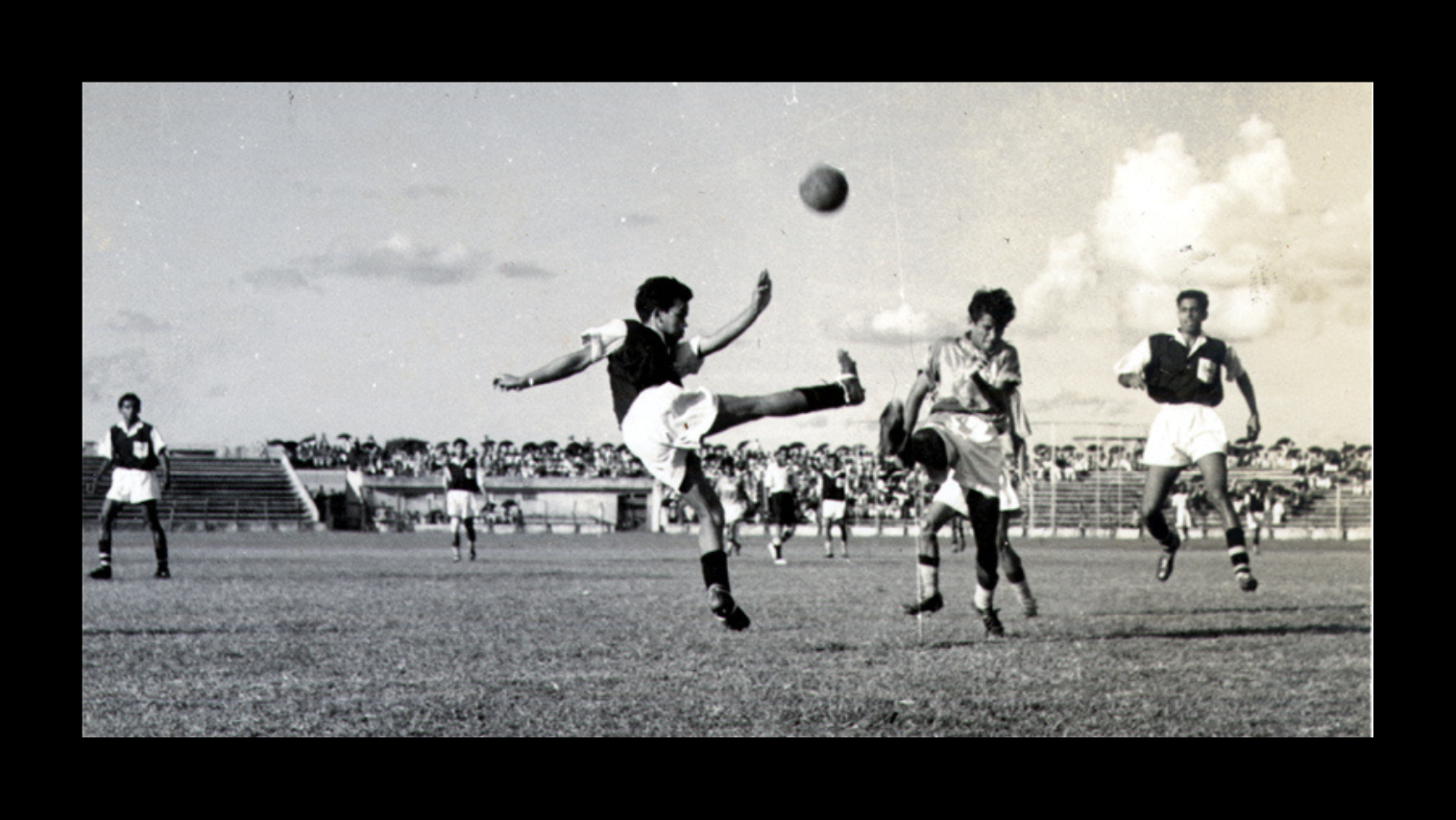
From the outset, Mohammedan Sporting was envisioned as more than simply a football club. Cricket, football and tennis were all organised under its banner, reflecting a broader commitment to sporting and social development. Like many indigenous sporting organisations during the colonial period, however, the club struggled to secure adequate playing grounds. This challenge was temporarily overcome through the efforts of the club's president, Nawab Amir Hossain Khan. Mohammedan was granted permission to play three days a week at the Calcutta Boys' School ground and eventually secured its own ground near Outram Street in Calcutta.
These developments may appear modest today, but they carried considerable symbolic significance at the time. In an era when elite sporting institutions were largely dominated by Europeans and other privileged groups, Mohammedan Sporting provided Muslim youth with a space in which they could organise, compete and aspire. It offered opportunities that extended beyond recreation, helping to cultivate a sense of confidence and collective identity.
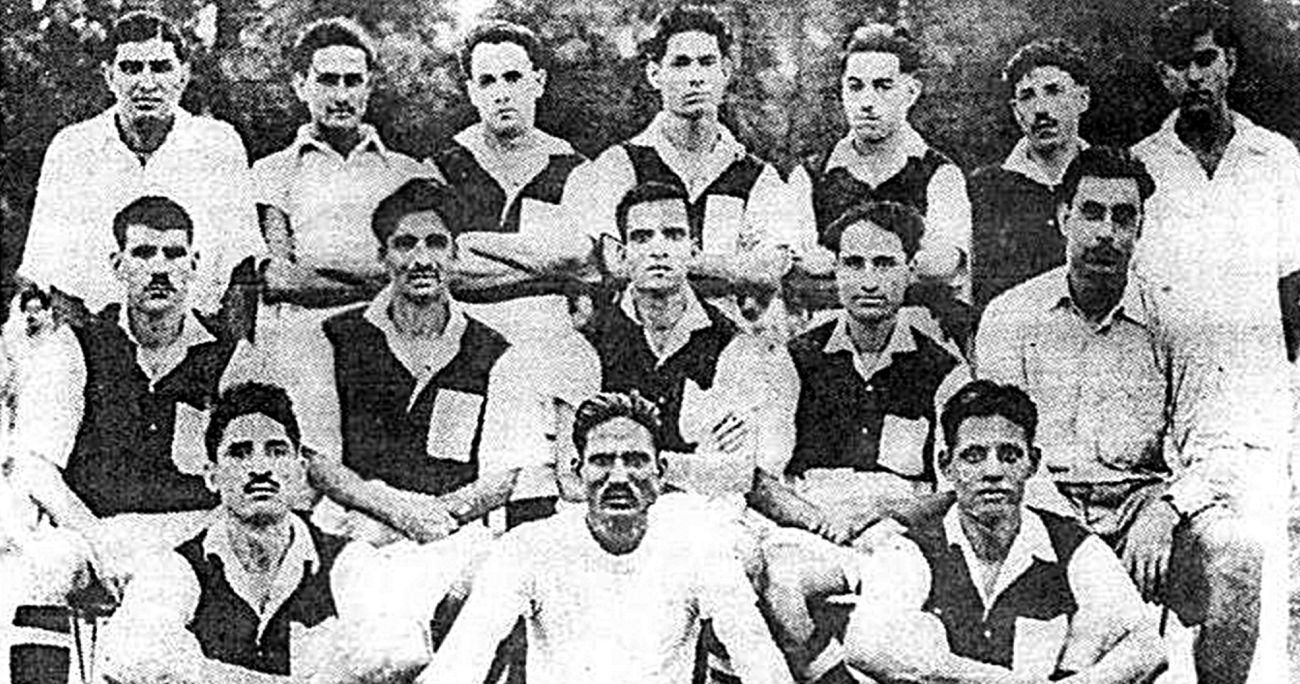
The club's early achievements reflected its growing ambition and influence. Between 1902 and 1906, only a handful of Indian teams regularly competed in the country's major football tournaments. During these years, Mohammedan Sporting steadily emerged as one of the leading Indian teams. Its impressive performances in competitions such as the Cooch Behar Cup enhanced its reputation and extended its influence well beyond the boundaries of Bengal.
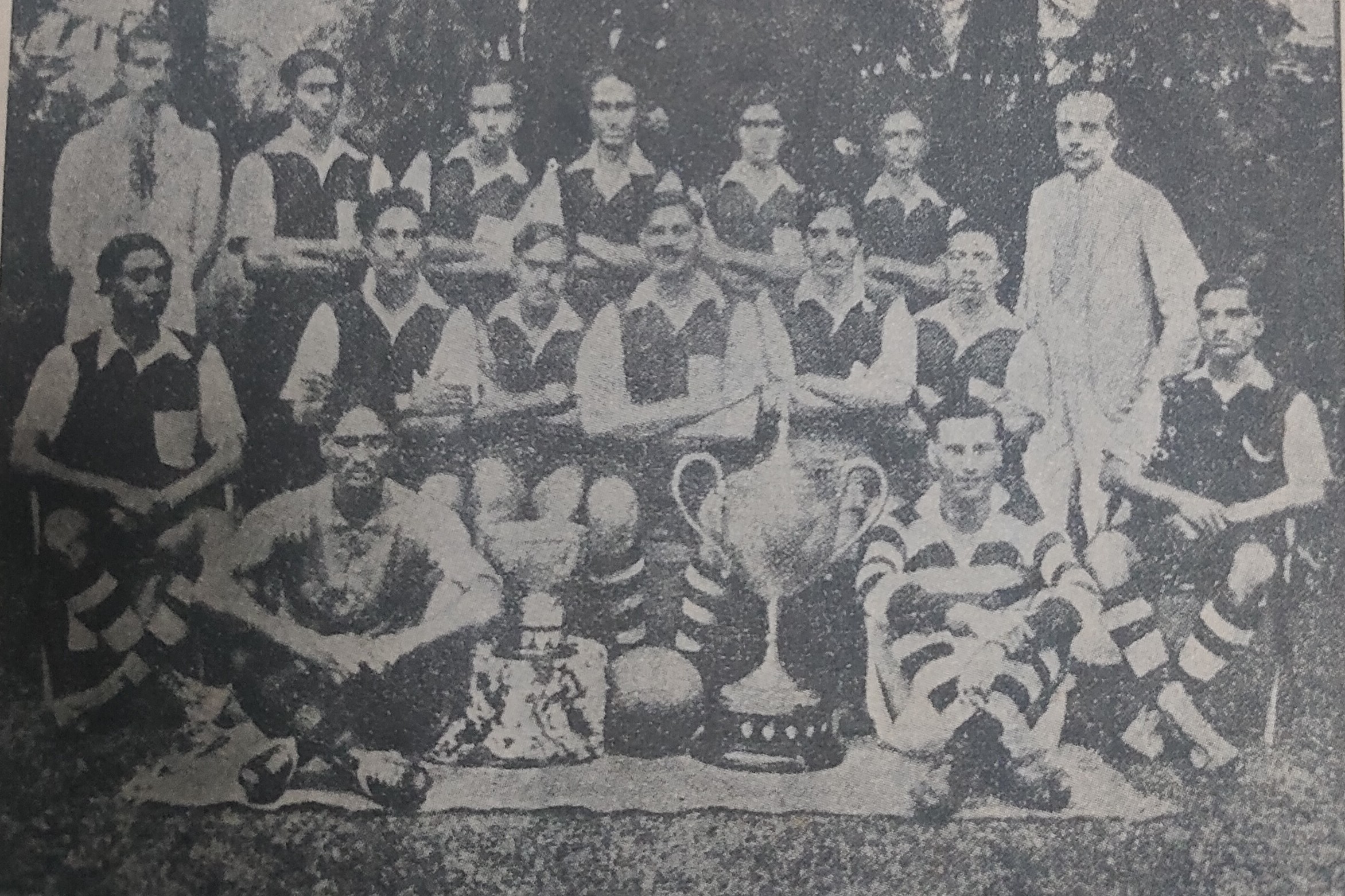
Yet it was during the 1930s that the club truly transformed into a phenomenon.
The turning point came in 1931. Under new leadership and management, Mohammedan Sporting embarked on an ambitious campaign that extended beyond Bengal. The club travelled to Bombay to participate in the prestigious Rovers Cup, marking the first occasion on which a Bengali Muslim football team competed outside its home province.
Although the team ultimately lost in the semi-finals, the tour generated enormous enthusiasm. Newspapers praised the players, while organisations such as Islam Gymkhana and Bengal Club organised receptions in their honour. The significance of the journey extended beyond the results on the field. For many Muslims across India, Mohammedan Sporting was rapidly becoming a source of collective pride and inspiration.
The following year, the team travelled to Lucknow, where its barefoot footballers astonished spectators and experts alike with their skill, discipline and determination. Another triumph followed when the club won the Cooch Behar Shield before thousands of spectators. Success bred confidence, and confidence, in turn, attracted more talented players.
One of the clearest expressions of this sentiment came from Habibullah Bahar, who left a First Division club to join Mohammedan Sporting while it was still in the Second Division. His decision was reportedly motivated by a desire to contribute to the broader advancement of Muslims in the subcontinent. By then, the club had come to embody a cause that transcended sport itself.
In 1933, Mohammedan Sporting won the Second Division League and secured promotion to the First Division.
The challenge awaiting the team, however, was immense. The Calcutta Football League remained heavily dominated by British military sides. Many of these teams were composed of carefully selected soldiers drawn from across the empire and enjoyed superior resources, training facilities and physical advantages.
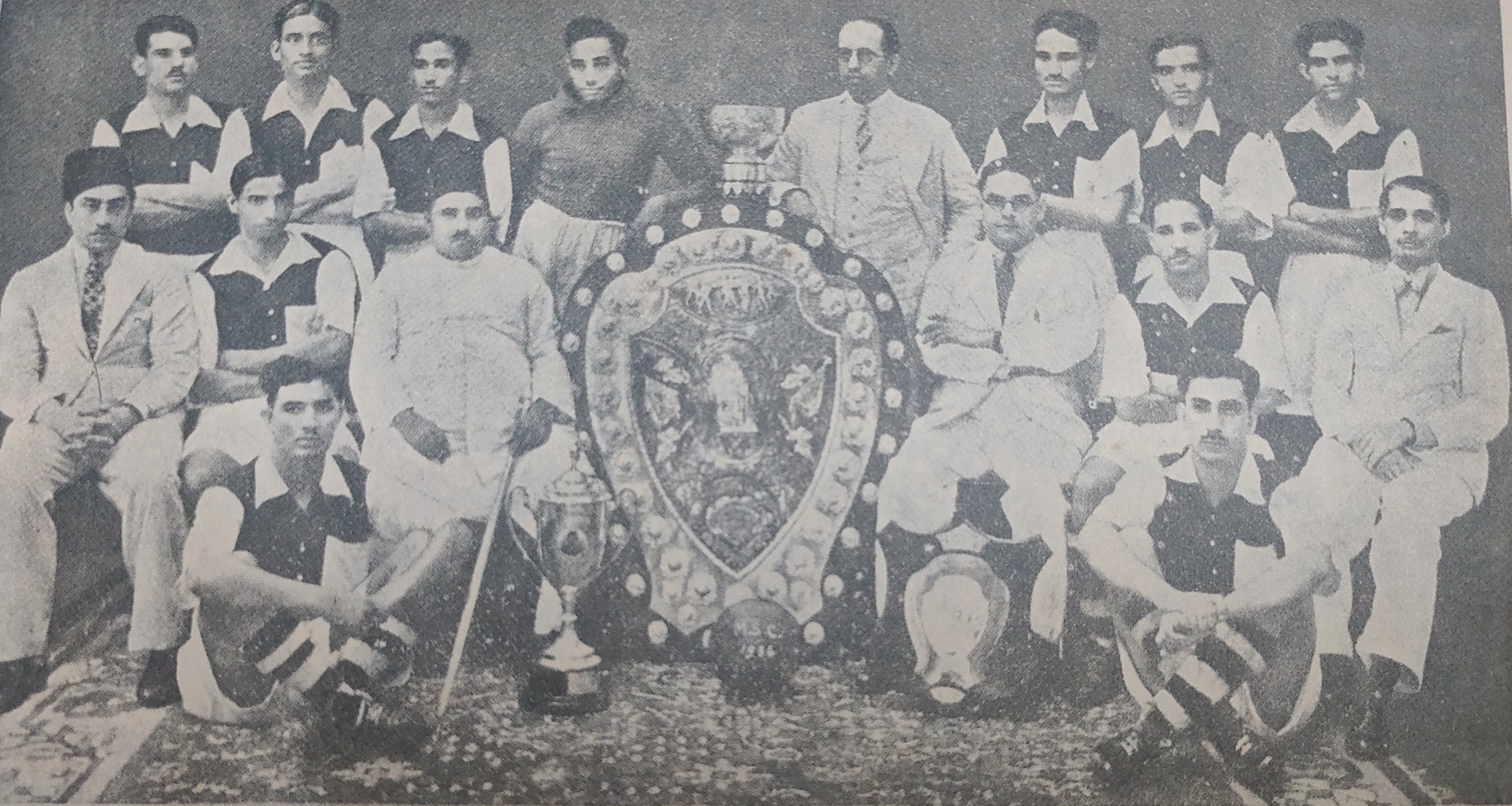
Mohammedan initially struggled to compete on equal terms. A heavy defeat against the Durham Military Team exposed the limitations of playing barefoot against opponents equipped with football boots. Recognising the need to adapt, the players decided to wear boots. The change dramatically improved their performances and soon influenced other Indian teams to follow suit.
Then came the historic season of 1934.
In their opening First Division match, Mohammedan stunned the Calcutta football establishment by securing a commanding 4–1 victory. Throughout the season, they battled established rivals and gradually emerged as genuine contenders for the championship. Match after match, their confidence and consistency grew. The title race ultimately came down to a decisive encounter against Kalighat. Mohammedan rose to the occasion, winning 3–1 and claiming the league title.
The achievement was unprecedented. For the first time, an Indian team had broken the monopoly of the British military clubs and conquered the most prestigious football competition in the country. What had begun as a sporting contest quickly became a moment of profound symbolic significance for Muslims across colonial India.
Newspapers celebrated the victory with unprecedented enthusiasm. On July 6, virtually every major newspaper in Calcutta carried reports praising Mohammedan Sporting's triumph. The Star of India famously declared:
"The 'Babes' came; they saw; they conquered. And their victory is doubly credible in as much as they have the distinction of being the first Indian team to win the League. Mohammedan Sporting have thus written history in Calcutta Football."
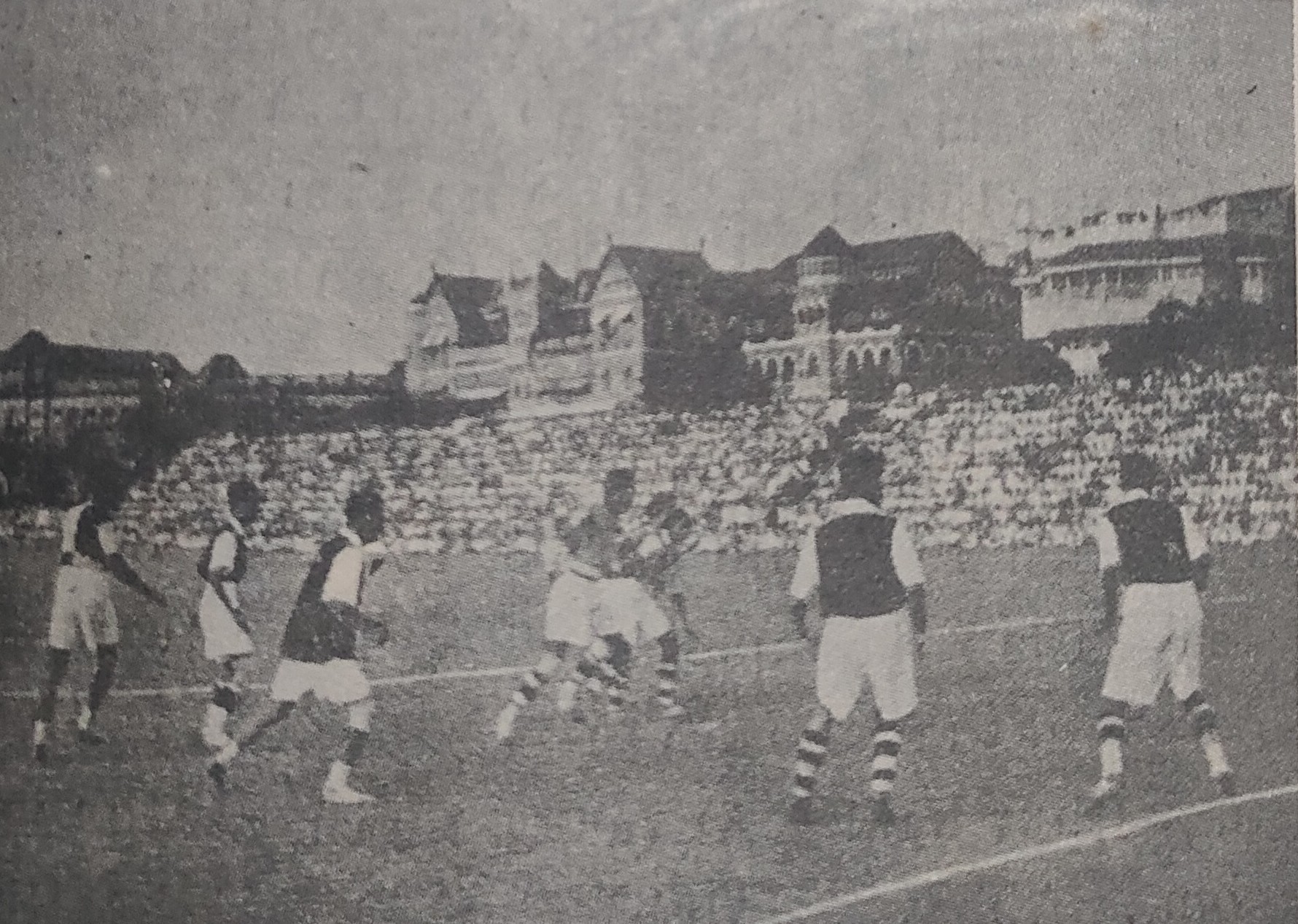
The victory was widely recognised as a watershed moment in Indian football. For many observers, it marked not merely the success of a football team but the breaking of a long-standing British monopoly over the country's most prestigious football competition.
Star players contributed significantly to this success. Among them was the legendary Samad, whose brilliance earned admiration even from the British press. The Statesman described him as "a player born only once in a century", a tribute that reflected his extraordinary influence on the game and his status as one of the finest footballers of his generation.
The response extended far beyond the world of sport. The Governor of Bengal sent his congratulations, while the club reportedly received more than five hundred telegrams celebrating its achievement. Across the subcontinent, Muslims celebrated the triumph as though it were their own. In cities, towns and villages, the victory was discussed not simply as a sporting achievement but as a collective accomplishment for a community striving to assert itself in colonial India.
For many supporters, football victories represented tangible proof that Muslims could excel in fields from which they had often felt excluded. The club's achievements challenged prevailing assumptions of inferiority and demonstrated what discipline, organisation and collective effort could accomplish.
The symbolic dimension became even stronger as Mohammedan continued to dominate Indian football in the years that followed. Between 1934 and 1941, the club won the Calcutta Football League seven times. The only interruption came in 1939, when Mohammedan Sporting boycotted the competition in protest against what club officials regarded as persistent refereeing bias and administrative injustice.
The club lodged complaints with the Indian Football Association (IFA), but when no satisfactory action was taken, its officials concluded that continuing to participate would amount to accepting unfair treatment. Consequently, Mohammedan withdrew from the league. Its decision was soon followed by East Bengal and Kalighat, leading to a major crisis in Bengal football. The dispute eventually contributed to the formation of the Bengal Football Association (BFA), which emerged as a rival organisation to the IFA.
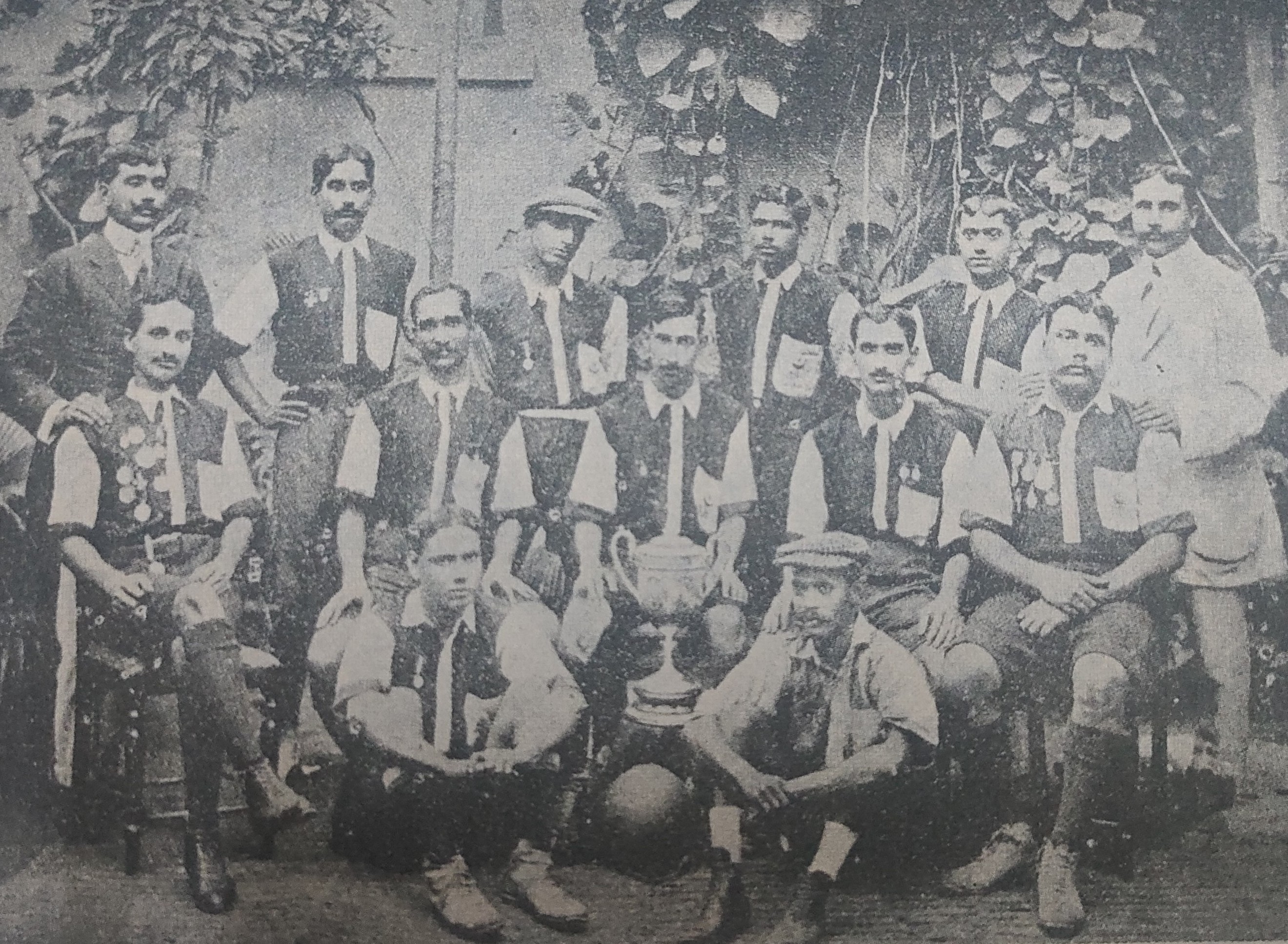
Despite administrative disputes, rumours, controversial refereeing decisions and recurring financial challenges, Mohammedan Sporting retained its position at the summit of Indian football. In 1941, the club completed an extraordinary unbeaten league campaign, winning twenty matches and drawing only two.
The club also captured several of the most prestigious trophies in Indian football, including the Rovers Cup, the Durand Cup and the IFA Shield. By this stage, Mohammedan Sporting had established itself as one of the most successful football teams in Asia and a source of immense pride for Muslims throughout the subcontinent.
The club's achievements attracted praise from some of the most prominent Muslim political and intellectual leaders of the period. Bengal's Prime Minister, A. K. Fazlul Huq, congratulated Mohammedan Sporting and wrote:
"Mohammedan Sporting is the new wonder of the football world. No one could have imagined winning the League, Rovers Cup, Durand Cup, De Montmorency Cup and IFA Shield in the same year, but Mohammedan made the unimaginable a reality. And in this context, these immortal victories of Mohammedan Sporting have inspired the national life of Indian Muslims to do extraordinary things. They taught isolated Muslim Indians that real teamwork can accomplish the impossible."
Prominent Muslim thinker Maulana Akram Khan also celebrated the club's accomplishments, writing:
"It is needless to say that the faint stirring of awakening that we are witnessing today in the political life of Muslim India began on the playing field. The influence of the uninterrupted triumph of Mohammedan Sporting has inspired the desire for victory in the political life of Muslims as well. Muslim India has learned from them that if they have strength of mind, a sense of duty, concentration and hard work, no matter how small they may be, they cannot be destroyed; victory is in their hands. Therefore, I extend my warmest congratulations to these pioneers of the new era."
Poets and literary figures, including Kazi Nazrul Islam, Golam Mustafa and Azizur Rahman, celebrated Mohammedan Sporting's achievements through poems. Their admiration reflected the extent to which the club had transcended sport and become a cultural symbol of Muslim aspiration and achievement in colonial India.
Players increasingly came to view themselves as representatives of a broader community, while supporters interpreted victories and defeats in collective terms that extended far beyond the boundaries of sport.
This development was particularly significant during the turbulent final decades of British rule. Political tensions were intensifying, debates over representation and constitutional reform dominated public life, and questions of Muslim identity were becoming increasingly central to public discourse. While political organisations often remained confined to educated and elite circles, Mohammedan Sporting reached ordinary people through the universal language of sport.
The club demonstrated that sport could serve as a powerful vehicle for social and cultural transformation. It provided a platform through which a community could express its aspirations, overcome feelings of marginalisation and project a renewed sense of confidence and self-belief. In doing so, it transformed football into something far greater than a recreational pursuit. The unity it forged through sport outlived many of the political battles of its age and continues to offer a powerful example for a society still searching for common ground.
Ystiaque Ahmed is a journalist at The Daily Star.
Send your articles for Slow Reads to slowreads@thedailystar.net. Check out our submission guidelines for details.
Why Chittagong never became a maritime city
The many worlds of Ghulam Murshid
Operation Jackpot: How Bangladesh’s naval commandos struck at Pakistan’s lifeline in 1971
The Yellow Butterfly: How Sheba shaped my world growing up
What Bangladesh’s historic Test victory in Australia means for Bangladeshi-Australians

Remembering Sumit Sarkar, a historian who questioned orthodoxy
The unfinished histories of Partition
In conversation with William Dalrymple / ‘Britain didn't conquer India’
Sheikh Mujib’s killing: What the newspapers told and what they omitted