


Screen your newborn for hypothyroidism
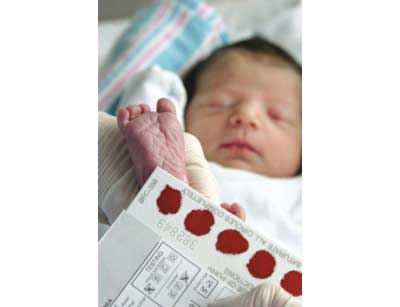
The thyroid is a small gland (popularly known as Adam's Apple) located in the front of the neck that produces hormones responsible for various functions including growth, use of energy and oxygen, immunity etc. Hypothyroidism is the condition in which the thyroid is under-active and is producing an insufficient amount of thyroid hormones. Hypothyroidism in the newborn, when left untreated, can lead to mental retardation. Ideally, all babies should be screened for hypothyroidism in order to prevent retardation that can occur if treatment is delayed. The symptoms of hypothyroi-dism in children are different than that of in adults. Symptoms are rarely present at birth but develop gradually during infancy and early childhood and include poor growth and development, lethargy and inactivity, feeding problems, slow pulse, subnormal temperature and constipation. Early symptoms of undetected and untreated hypothyroidism in infants include jaundice, feeding problems, failure to thrive, constipation, hoarse cry and sleepiness. Later on, symptoms in untreated children include protruding abdomens; rough, dry skin; and delayed teething. In case of adolescents, the symptoms include delayed puberty, hoarse voice, slow speech, puffy and swollen face, hair loss, dry skin etc. However, each child may experience symptoms differently, and often the symptoms are not seen at all. This is why all infants should be screened for low thyroid. Again, the symptoms of hypothyroidism may resemble other conditions or medical problems. Therefore, parents should always consult a physician for a definite diagnosis. Congenital hypothyroidism is usually detected during the routine newborn screening. Early treatment can restore thyroid function and prevent mental retardation. Some children will require hormone replacement therapy for the rest of their lives, while others appear to outgrow the disorder, often by the age of three.

 For all latest news, follow The Daily Star's Google News channel.
Comments