


Unable to buy diesel, RMG factories losing steam

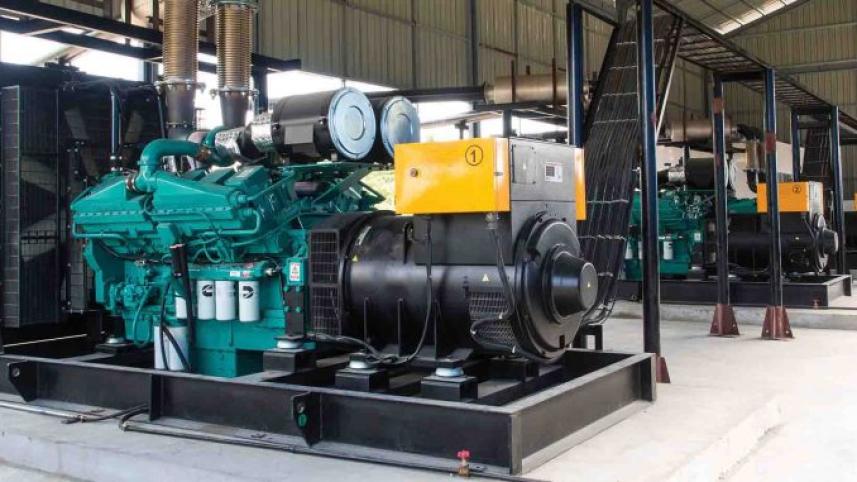
Garment factories in Gazipur are struggling to keep production at full capacity due to a shortage of diesel, as filling stations in the area have stopped supplying fuel in containers over the past two days.
Exporters say many units are losing four to five hours of production daily, raising fears of missing shipment deadlines for international buyers.
 For all latest news, follow The Daily Star's Google News channel.
 The factories rely on diesel to run generators during at least six hours of power cuts by the Bangladesh Rural Electrification Board.
Industry leaders say panic buying, triggered by concerns over Middle East tensions, has worsened the shortage.
Rashid Ahamed Hossaini, managing director of Nexus Sweaters in Joydebpur, said he needs 200 litres of diesel a day to keep his 2,200‑worker factory running at full capacity. But nearby pumps have refused to sell diesel in containers, prioritising vehicles instead.
As a result, his production has dropped to 60 percent capacity, reducing the daily output of 10,000 pieces of sweaters and knit items worth Tk 10 lakh.
A few other garment factories have reported similar struggles.
Anowar Hossain, managing director of Knit Studio Ltd in Board Bazar, could only manage 80 litres yesterday, enough for just one hour of operations, while enduring five hours of load‑shedding.
He said he is fortunate to have some old stock of diesel at his factory. Anowar Hossain’s unit employs 750 workers and produces 6,000 sweaters a day.
Another managing director of a factory in Zazor, requesting anonymity, said he needs 50–60 litres daily but has been unable to buy any fuel for two days, fearing a 30 percent production loss.
The factory, which employs 450 workers, produces 4,000 sweaters a day.
The government, however, insists fuel stocks are sufficient.
Power, Energy and Mineral Resources Minister Iqbal Hasan Mahmud Tuku said two vessels carrying fuel are due on March 9, urging people not to crowd filling stations.
Mahmud Hasan Khan, president of the Bangladesh Garment Manufacturers and Exporters Association (BGMEA), said at least 30 factory owners reported similar problems in recent days.
The BGMEA is preparing a database of diesel‑run factories to issue special cards allowing them to purchase fuel directly from filling stations.
Showkat Aziz Russell, president of the Bangladesh Textile Mills Association (BTMA), said he will also seek clarification from the energy ministry, as textile mills are suffering from gas shortages despite having confirmed work orders from international retailers and brands.
Comments