


British-Bangladeshis question candidacy rules as dual citizenship debate resurfaces

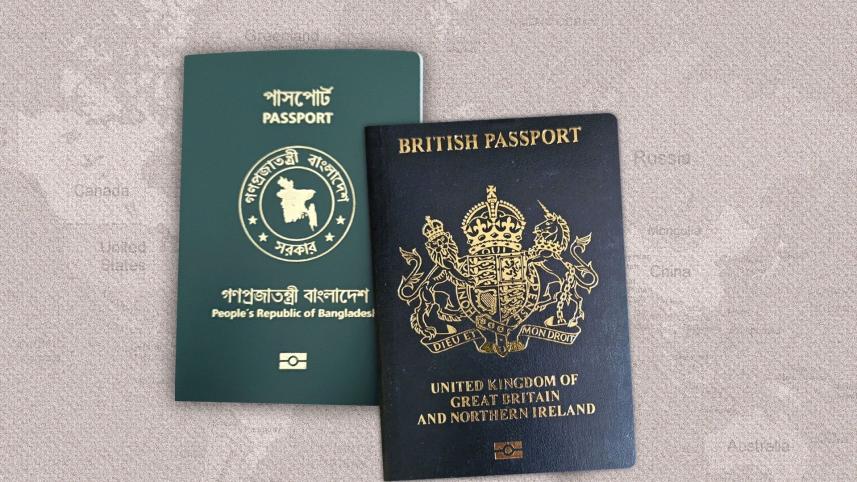
A renewed debate has emerged over whether dual citizens -- particularly British-Bangladeshis -- are eligible to contest parliamentary elections in Bangladesh, as diaspora leaders and legal experts challenge the current interpretation of Article 66 of the Constitution.
The issue was formally raised by the British Bangladeshi Forum, which submitted a memorandum to the Election Commission seeking clarification on Article 66(2)(c), a provision that disqualifies individuals who acquire foreign citizenship or acknowledge allegiance to a foreign state.

Barrister Monwar Hossain, a UK-based lawyer and convener of the forum, said Article 66 must be read in its historical context. Adopted in 1972, he said, the provision was intended to prevent those who had aligned with Pakistan during the Liberation War from entering parliament, not to address today’s reality of a global Bangladeshi diaspora. He added that later citizenship laws and a 2008 government notification explicitly recognised lawful dual citizenship with countries including the United Kingdom.
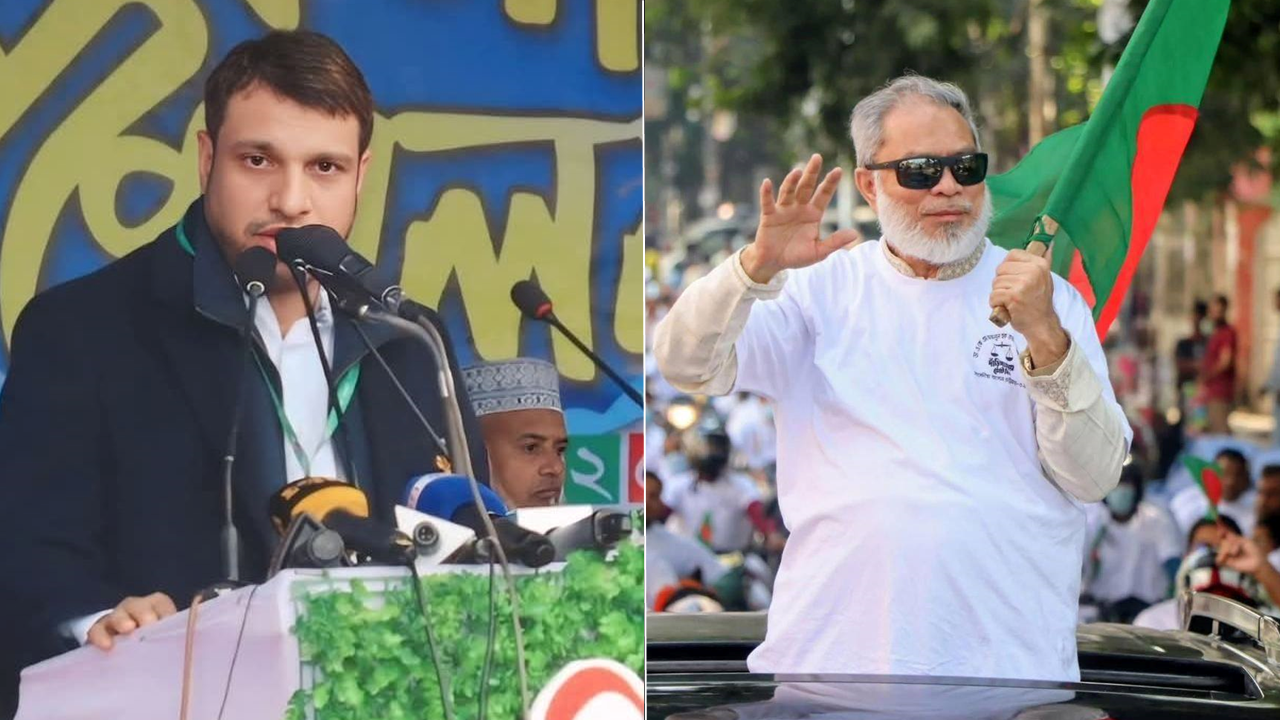
Barrister Monwar argued that the Fifteenth Amendment of 2011 further clarified the position by introducing clause 66(2A), which limits disqualification to cases where Bangladeshi citizenship has actually been relinquished. He noted that the constitution does not bar dual citizens from holding senior judicial office, making an automatic exclusion from parliament constitutionally difficult to justify.
The legal debate was shaped by a 2002 High Court ruling that held acquisition of foreign citizenship alone was sufficient to disqualify a candidate. Constitutional lawyers, however, argue that the Fifteenth Amendment has since altered that interpretation by removing disqualification where foreign citizenship is renounced.
Senior Advocate of the Supreme Court of Bangladesh Barrister Ruhul Quddus (Kazal) said the unresolved issue is what constitutes effective renunciation of foreign citizenship. Because procedures vary across countries, he argued that requiring final approval from foreign authorities would be impractical, and that a formal act of renunciation by the applicant should be sufficient.
UK legal experts note that under British law, citizenship is lost only after a formal declaration of renunciation is registered by the Home Office, meaning applicants remain British citizens until the process is completed.
Bashir Ahmed BEM, former president of the British Bangladesh Chamber of Commerce and Industry, said the current framework unfairly excludes large sections of the diaspora who contribute significantly to Bangladesh through remittances, investment, and trade. He added that many acquired foreign citizenship out of necessity rather than choice, yet remain deeply connected to Bangladesh.
The debate has gained urgency ahead of the 13th National Parliamentary Election, with more than 10 UK-based candidates submitting nominations under various party banners. Several nominations are reportedly under review pending verification of dual citizenship documents.
Journalist and cultural activist Nilufa Yesmin Hasan said concerns over sovereignty must be addressed within constitutional and legal frameworks. She warned that excluding expatriate Bangladeshis from parliamentary politics risks weakening democratic representation and ignores the country’s formal recognition of dual citizenship.
Legal observers warn that without clear guidance from the Election Commission on the interpretation of Article 66 -- particularly on what constitutes valid proof of renunciation -- disputes are likely to continue during the election process. As Bangladesh seeks to strengthen ties with citizens living abroad, the outcome of this debate may shape not only future elections but also the country’s broader democratic relationship with them.
 For all latest news, follow The Daily Star's Google News channel.
Comments