


'Cricket now a religion in Nepal'

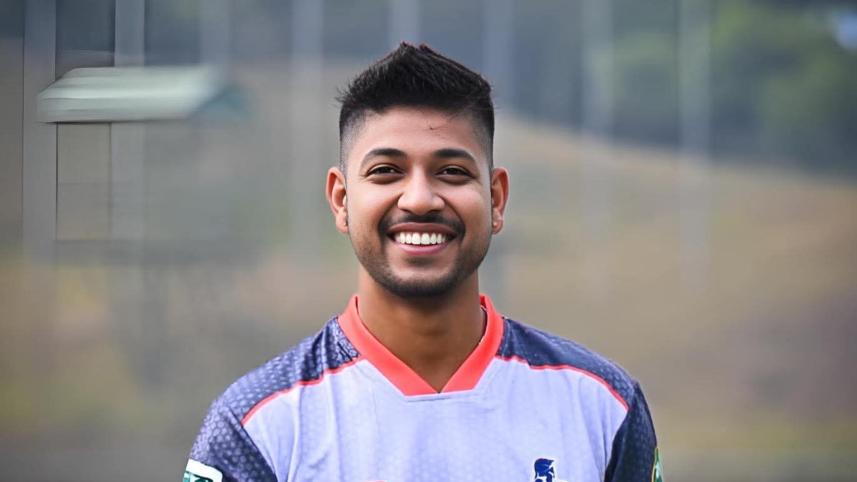
Cricket in Nepal is growing rapidly, with leg-spinner Sandeep Lamichhane at the forefront. A regular for the national team and familiar in global franchise leagues, Lamichhane first caught attention in Bangladesh during the 2016 U-19 World Cup and later featured in the Bangladesh Premier League (BPL) with Sylhet Sixers in 2019. Now back in Bangladesh with Rajshahi Warriors for BPL’s 12th edition, the 25-year-old spoke to The Daily Star’s Samsul Arefin Khan about Nepalese cricket, leg-spin nuances, and expectations ahead of the ICC T20 World Cup. The excerpts follow:
The Daily Star (DS): Why did it take so long for you to come back to Bangladesh?
Sandeep Lamichhane (SL): I think the Bangladesh Cricket Board or the BPL invited me after a long time. I was also busy with various franchise leagues and international games for Nepal, so sometimes the schedules just don’t match. I am happy that the proposal finally came from a BPL franchise and that I am here now.

DS: You played in the BPL in 2019. What changes have you seen in the tournament?
SL: I don’t see a massive difference because the passion and respect for cricket here remain the same. Teammates change, which is normal in franchise cricket, but the hunger to win the title is constant. We didn’t get too many games to play in Sylhet before, but we are playing a lot here this year. The atmosphere and environment is fantastic here.
DS: You seem to be doing very well this year, and Nepali fans are very engaged, even creating a buzz on social media when you were dropped for two matches. How do Nepali fans view the BPL, and what is the atmosphere like for cricket in your home country?
SL: It is a blessing to have fans who live their dreams through us. Cricket in Nepal has become more than a sport; it is like a religion now, and the people are incredibly passionate. While it is disappointing for them when players aren’t in the starting eleven, these decisions are made for the betterment of the team and the right combination.
DS: Who is the next Nepali player you see representing Nepal in the BPL or other global franchise leagues?
SL: There are plenty of talented guys, including power hitters and all-rounders. We often talk about Dipendra Singh Airee and Sompal Kami, who have already played in leagues. Karan KC has been there, and I see a lot of potential in Kushal Malla. There are also many new youngsters coming up. But if I have to tell you right now, it’s Kushal Malla and Dipendra Singh Airee.
DS: The Nepal Premier League (NPL) has started. How do you see this league evolving cricket in Nepal?
SL: Having our own league is a huge thing for us. It has evolved quickly; last year it was a day event, and within a year, they installed floodlights and parapets. The Cricket Association of Nepal (CAN) is showing great passion and prioritising the players. Playing under floodlights in a jam-packed stadium in Nepal was a dream that is now coming true.
DS: The league also brings investment and revenue. How important is this for spreading cricket and improving infrastructure across Nepal?
SL: We are yet to be a Test-playing nation, and while the NPL revenue looks huge from the outside, there is a lot of pressure on the CAN to use those funds wisely. We currently only have one international ground, so we need to develop more. Bringing in international players like Faf du Plessis and Martin Guptill changes the fraternity and brings a revolution to the sport. If the ICC allows Nepal to host more international series or neutral-venue games, it would boost tourism and provide positive vibes for the people. Hosting events like the Women’s T20 World Cup qualifiers in the coming week also boosts the economy and shows the scale of our emotion and passion.
DS: Regarding leg-spin, technology now allows opponents to analyse your every move. How important is it to add new variations?
SL: Cricket has changed over the years and often favours batters now with smaller boundaries and good wickets. While analysts show your videos to the opposition, we also use analysts to find the weaknesses of the batters. It is also part of life. Being a leg-spinner is definitely a ‘hard art’, but consistent practice and using your brain to know when to use specific variations makes the difference.
DS: How do you change your mentality after being hit for big runs in an over?
SL: I don’t change so many things. Leg-spinners need to be brave. You shouldn't doubt your skills or think about negative aspects; instead, focus on getting a wicket to turn the game in your favour. You have to stay aware of what the batter is trying to do and keep backing yourself.
DS: How brave are you on the field when it comes to experimenting versus following a pre-planned strategy?
SL: That is the only way I have lived my life. I feel like I’m the boss on the field; I just go out and play like a king.
DS: Looking ahead to the next T20 World Cup, how disappointing were the close losses in the last tournament, specifically against South Africa and Bangladesh?
SL: It was absolutely disappointing. We were very close to beating them. But whether you lose by one run or a hundred, a loss is a loss. We couldn’t grab the opportunities in both hands, and unfortunately those were not our days. However, we made a statement that Nepal cricket is here and has potential. With more experience, we will provide greater challenges, and I believe we can cause some upsets this year.
DS: There is talk that some venues might shift, such as Bangladesh's games moving to Sri Lanka. Are you okay with that, as you are in the same group?
SL: It’s a big challenge, but it is not in our control. We will play wherever the venue is set -- Mumbai, Delhi, Dubai, or Sri Lanka. I would actually be happy to play a Nepal versus Bangladesh game in Nepal if we could host it. We have to respect and understand whatever the schedule the ICC has made, and we as Nepal Cricket have no problem with that.
DS: Bangladesh leg-spinner Rishad Hossain is currently doing well in the Big Bash League for the Hobart Hurricanes. Have you seen him play, and what advice would you give him?
SL: I haven't watched the games, but I played with him in the West Indies [ICC T20 World Cup]. He looks like a good talent and will serve Bangladesh well. My advice would be to keep enjoying the game and the Australian weather. He is playing for Hobart, which is the same team I played for [two seasons], so it’s a nice connection. I will be waiting to meet him in the World Cup again and hoping to have a good conversation.
DS: How do you differentiate the challenges of playing in Bangladesh compared to other subcontinent teams?
SL: There isn’t a huge difference, but the batting ability of local players in Bangladesh has improved significantly recently. You have to be very mindful of your pitching and the match situation. While conditions are spin-friendly, Sylhet is a bit different from Dhaka; I feel Dhaka offers more for spin, but I haven't played there in seven years.
DS: Some players struggle after off-field issues, but you have come back strongly. How did those off-field issues affect your performance on the field?
SL: It does feel like a lot, but I just don't want to talk about that.
 For all latest news, follow The Daily Star's Google News channel.
Comments