


Mymensingh a land of stories, songs and untapped tourism
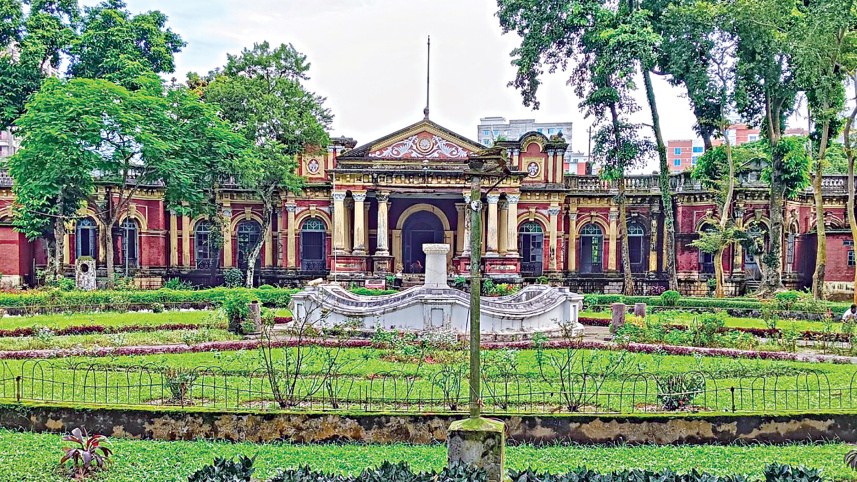
With nearly 250 years of history behind it, Mymensingh stands quietly as one of Bangladesh’s most culturally rich regions, yet remains largely underexplored.
From the flowing Brahmaputra to the green hills of Haluaghat and Dhobaura, the district offers a rare blend of natural beauty, folk heritage and historical depth that could easily place it on the country’s tourism map.

The spirit of Mymensingh lives in its stories and songs. The renowned Mymensingh Geetika, rural fairs, folk music and age-old traditions continue to shape the region’s identity.
Landmarks such as the Zainul Abedin Sangrahashala, the Bangladesh Agricultural University (BAU) campus, Shashi Lodge, Gouripur Rajbari and Nazrul-related heritage sites reflect a long legacy of art, literature and education.
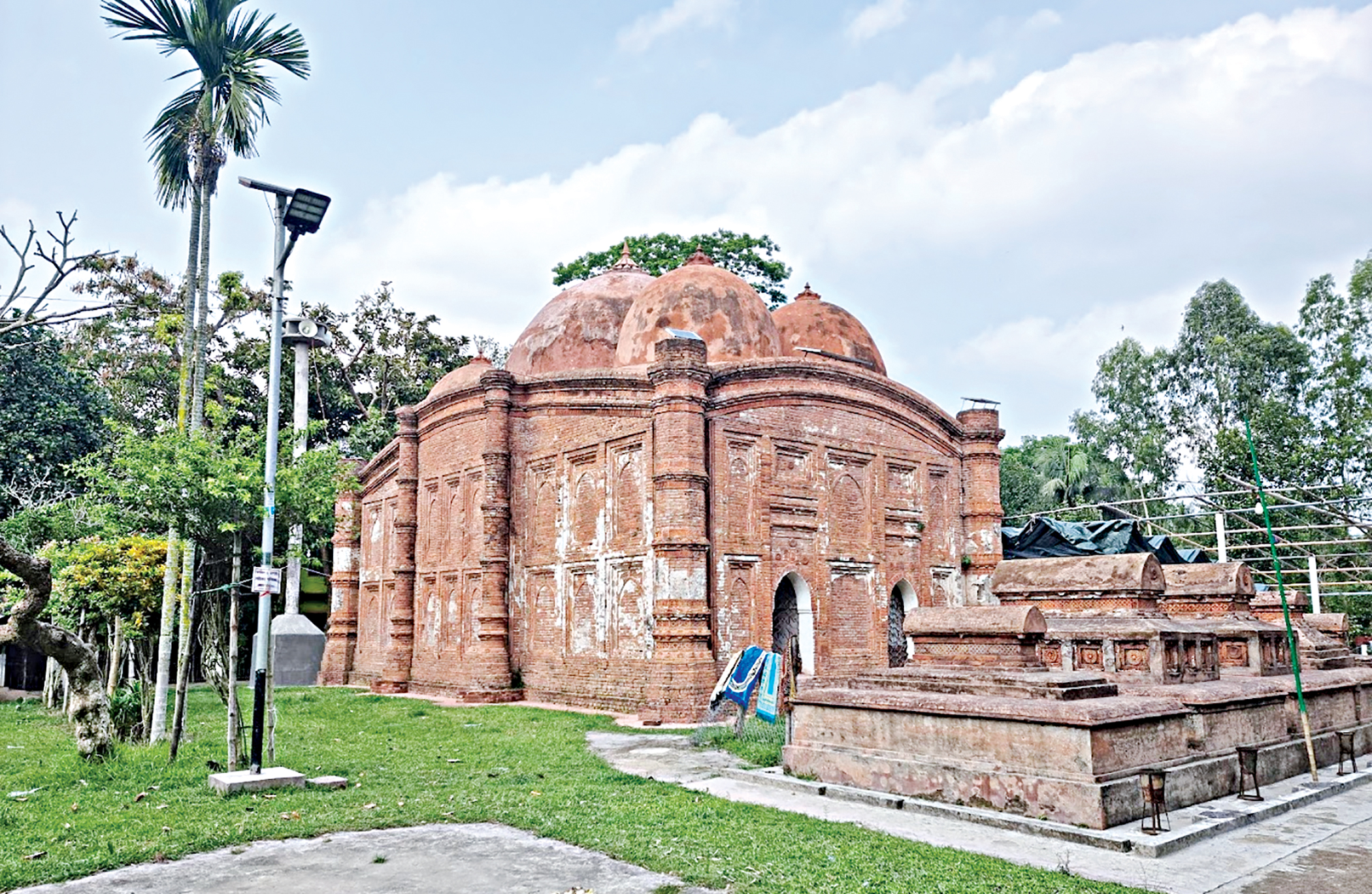
Qutub Shah Mosque in Kishoreganj
“The region is well known for its rich history, unique folk culture and natural beauty, but continues to face multiple limitations despite strong prospects of becoming a full-fledged tourism city,” said tourism researcher and development expert Sajal Quraishi.
“The art gallery has the capacity to attract international tourists. The BAU campus itself is a major tourist destination. Its vast area, botanical garden, germplasm centre and agricultural museum can serve as research hubs for students,” he said.
“Local foods such as the famous Muktagarha Monda also have huge potential for food tourism.”
Imtiaz Ahmed, member secretary of the Archaeological Preservation Committee of Mymensingh region, said the city, known for art and culture, was established in 1787. Despite being a 238-year-old district with immense tourism potential, the sector has not flourished due to a lack of proper initiatives and planning.
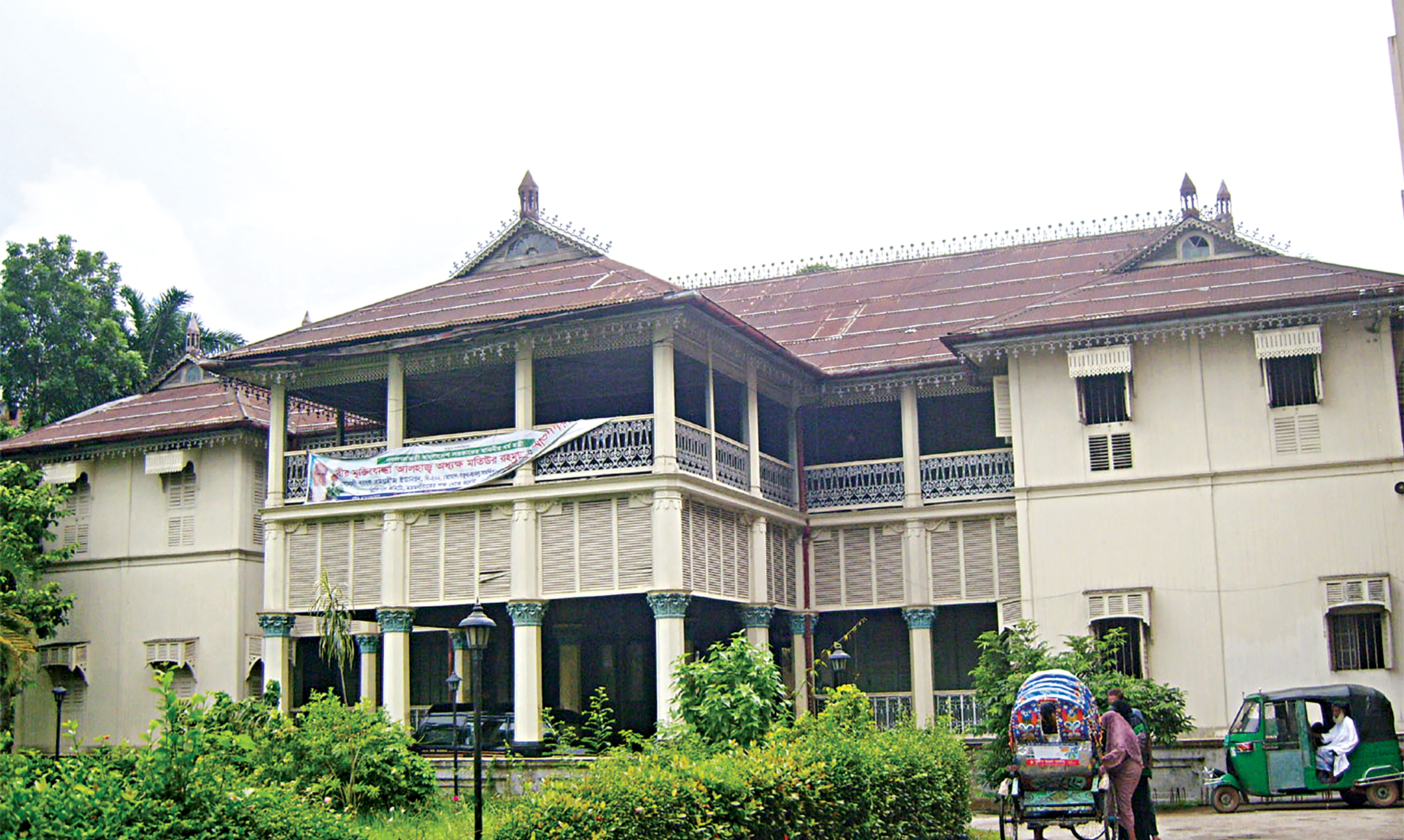
Gouripur House
Although the region is home to many attractive locations, tourists remain largely unaware of them, he said. There are 11 officially declared archaeological heritage sites in the district, yet the present generation knows very little about their history.
According to government and archaeology department sources, major attractions in the district town include Shashi Lodge, Mymensingh Museum, Alexander Castle, Gouripur Lodge, Raj Rajeshwari Water Works and Bipin Park. Other sites include the Independence Monument; the Old Brahmaputra River and its adjacent Zainul Uddhyan; Nazrul Memorial Centres, Jatiya Kabi Kazi Nazrul Islam University and Bailor Zamindar Bari in Trishal; Atani Zamindar Bari, Maharaja Suryakanta’s residence and century-old temples in Muktagarha; Gouripur Rajbari, Birangana Sakhina’s Mazar and Ramgopalpur Zamindar Bari; pineapple and rubber gardens and Borovila Beel in Phulbaria; Kadigarh National Park and a crocodile farm in Bhaluka; Gabrakhali Park and the Ethnic Cultural Academy in Haluaghat; china clay hills in Dhobaura; language martyr Abdul Jabbar Memorial Museum in Gafargaon; and the Atarobari Zamindar Bari in Ishwarganj, a palace once visited by Rabindranath Tagore.
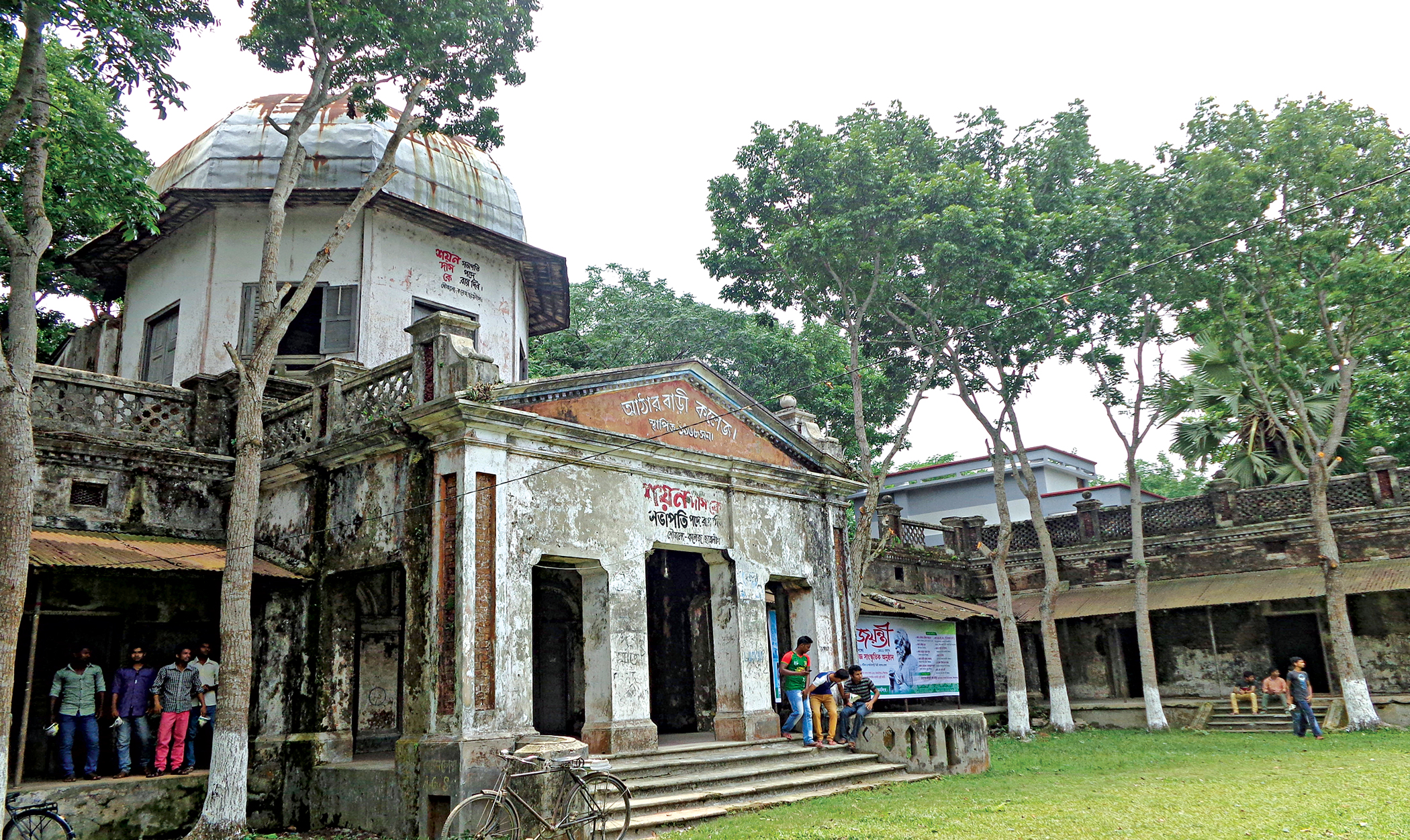
Kacharibari in Ishwarganj
Archaeological researcher Swapan Dhar described Mymensingh as a pilgrimage of folk culture, festivals, music and legends. He said the region’s cultural heritage has made significant contributions at both national and international levels.
The stories of Mahua, Malua, Chandrabati, Dewana Madina Pala, Kamala, Dewan Bhavna, Dasyu Kenaram and Kajolrekha from Mymensingh Geetika are highly admired in world literature, he said, adding that sites associated with these folk epics could offer a unique experience for tourists.
Dhar said greater Mymensingh could emerge as a major tourism hub, as the wider region includes many tourism-rich locations. These include the Someshwari River, china clay hills, Birishiri Tribal Cultural Academy, Chandradinga waterfalls, Komola Rani’s Dighi, Dingapota Haor, Tonk Shaheed Memorial and Ranikong Mission in Netrakona; Madhutila Eco Park, Pone Tin Ani Zamindar Bari, Gajni Abokash Kendra, Raja’s Hill and Panihata-Tarani Hills in Sherpur; Jangalbari Fort, Egarosindur Fort, Sholakia Eidgah, Pagla Mosque, Shahidi Mosque, Qutub Shah Mosque and Taljanga Zamindar Bari in Kishoreganj; and Gandhiji Ashram, Hazrat Shah Jamal (R) Shrine, Zeal Bangla Sugar Mills and Dayamoyee Temple in Jamalpur.
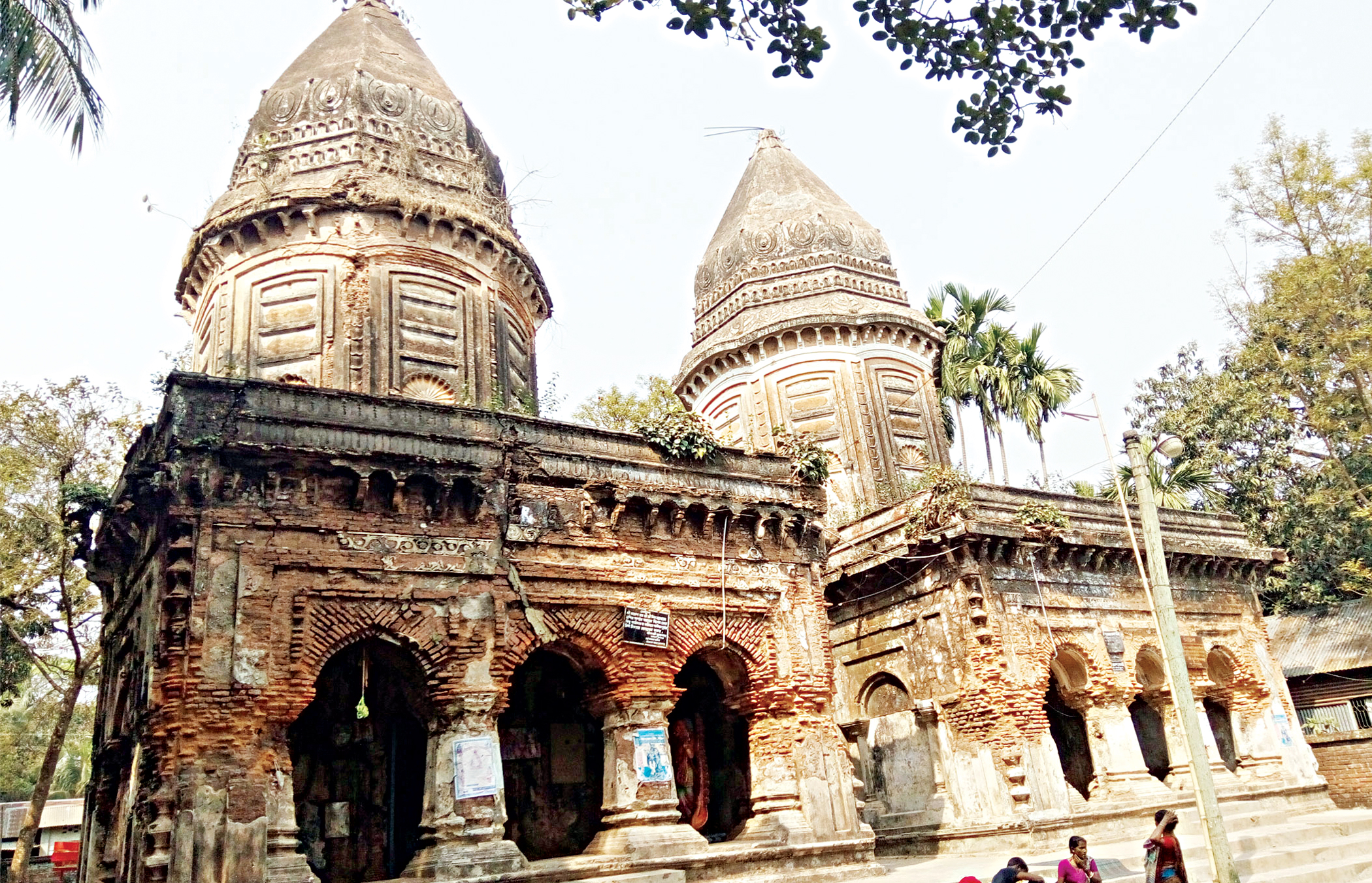
The twin temple
“Besides Poune Tin Ani Zamindar Palace, the district also has Tin Ani Zamindar Palace, Araiani Zamindar Palace and Nayani Zamindar Palace, all enriched with architectural heritage and local history. A historic mosque in Sherpur could also draw the attention of thousands of tourists to the frontier district, known for its greenery and hillocks,” said Hakim Babul, a senior journalist in Sherpur.
However, the buildings are in a pitiable state. All archaeological sites should be protected from further decay, as the palaces reflect the history and tradition of the district, said Babul, also convener of the citizen platform Jonouddhog Sherpur.
The architectural features of the palaces, including wide steps and decorated columns, reflect Greek architectural influence, he added.
 For all latest news, follow The Daily Star's Google News channel.
 Kishoreganj, too, holds strong potential to rise as a tourist zone. The Qutub Shah Mosque, a 16th-century structure built by Hazrat Qutub Shah (R), is one of the district’s most significant archaeological landmarks. A shrine of Qutub Shah (R) is attached to the five-domed mosque.
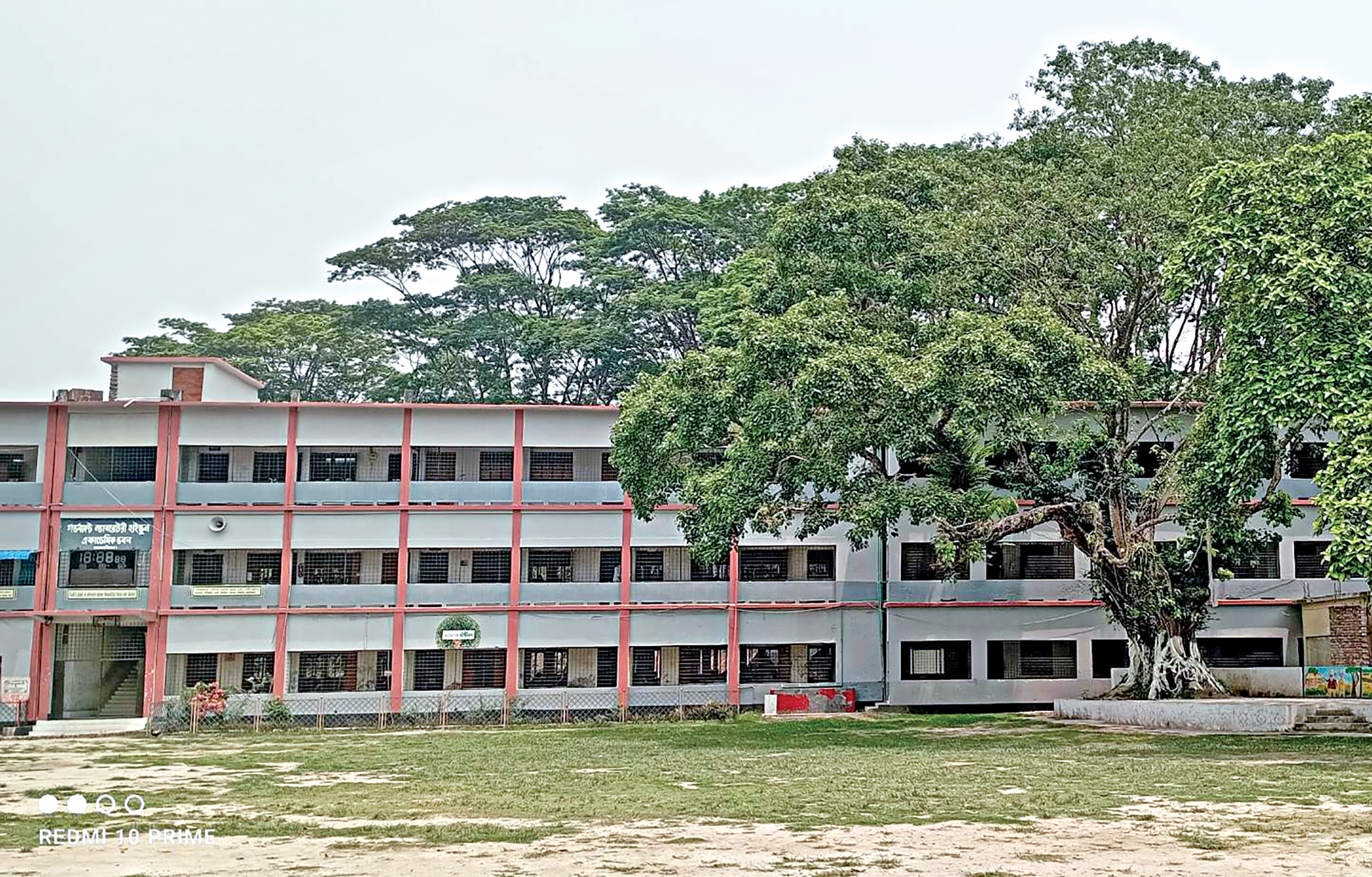
Rabindra Botomul
The district has developed through a blend of ancient and modern architectural traditions.
SK Rasel, a young journalist in Kishoreganj, said besides the mosque, many antiquities in the district have been listed by the Department of Archaeology.
These include Qutub Shah Mosque, Harshi Mosque, the memorial temples of poet Dwijbangshi Das and poet Chandrabati, Isha Khan’s Palace in Jangalbari, Shadi Mosque, Shah Mahmud Mosque, Saheb Bari (Sekandarnagar) Mosque and Gurui Mosque.
Locals have repeatedly demanded better preservation of these sites, he said, noting that they are among the strongest symbols of the district’s history and tradition.
Experts point to the absence of coordinated planning, limited promotion and slow conservation efforts as major obstacles. Many archaeological and cultural treasures remain unknown even to domestic travellers.
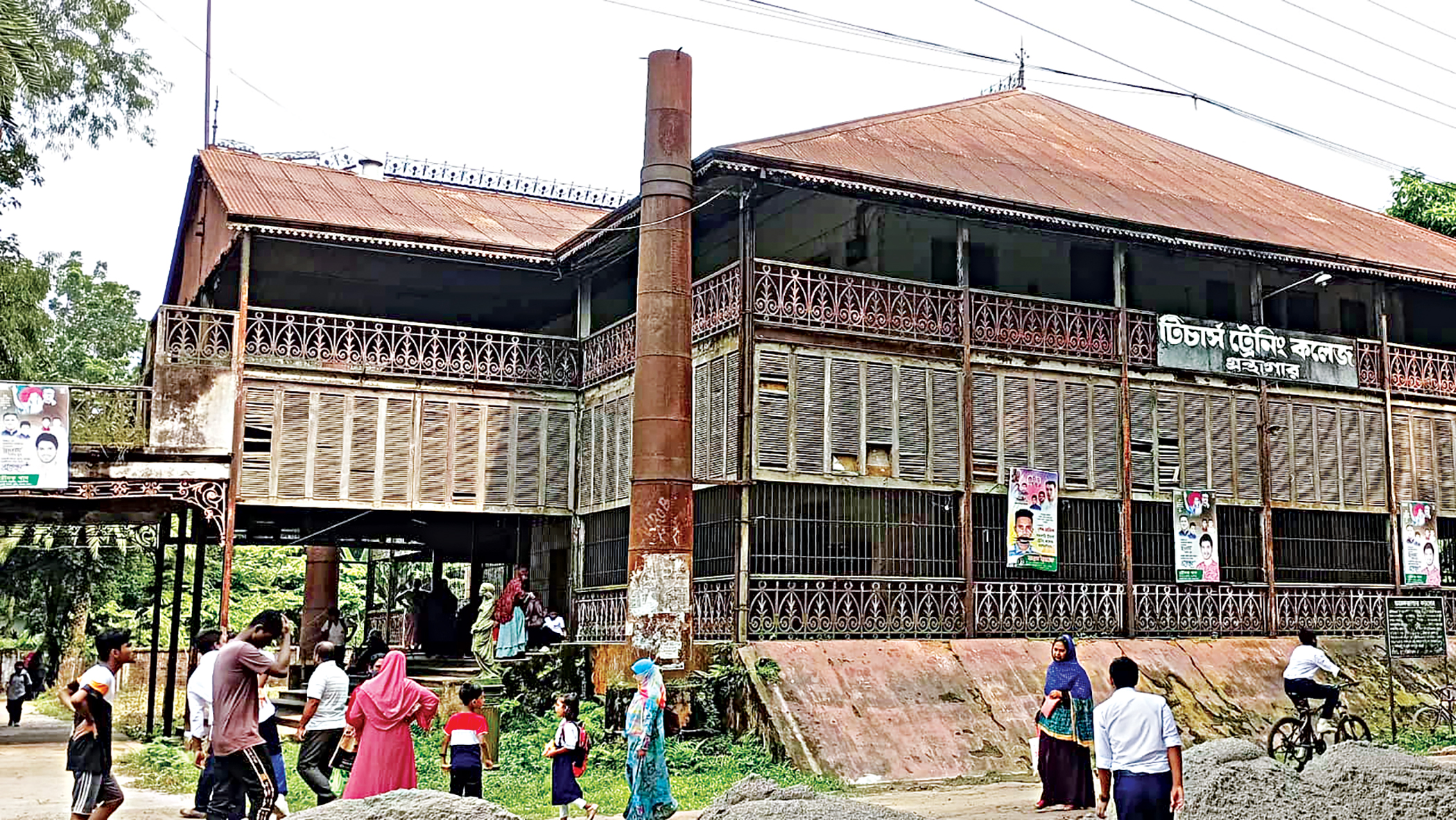
Alexandar Castle
Tourism researchers and cultural activists believe a comprehensive tourism master plan, combined with heritage conservation, river dredging and private investment, could transform Mymensingh into a leading destination for cultural and eco-tourism.
Despite its promise, tourism in this culturally rich region remains largely untapped.
Mymensingh Deputy Commissioner Md Saifur Rahman said efforts are underway to develop tourism in the district.
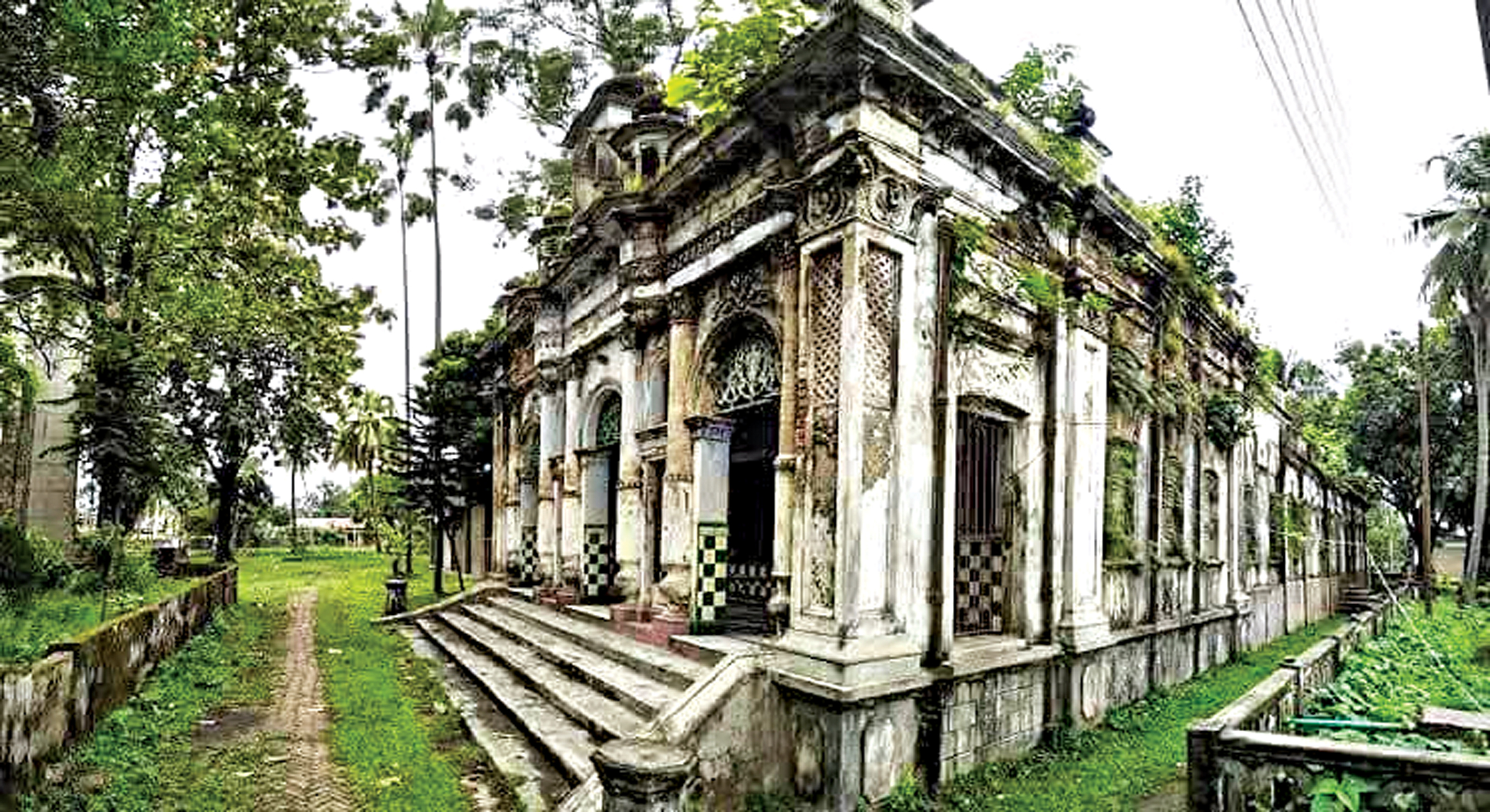
Sherpur zamindar palace
With the cooperation of the Department of Archaeology, initiatives will be taken to develop heritage and historically significant structures, he said.
Sabina Yeasmin, field officer of the Department of Archaeology for Dhaka and Mymensingh, said the region has many ancient and historical structures that could be highly attractive to tourists if properly preserved and promoted.
Comments