


When did offensive speech become terrorism?

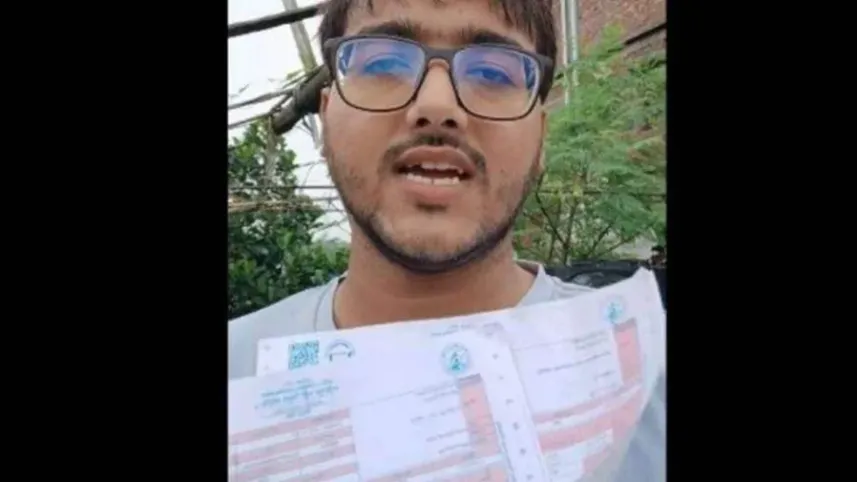
Sifat Abdullah's trouble began with his claim that two electricity bills for his household totalled Tk 9,000. It has ended, for now, with a court sending him to jail. What happened in between should trouble anyone who expects the criminal justice system to distinguish vulgar insults from terrorism.
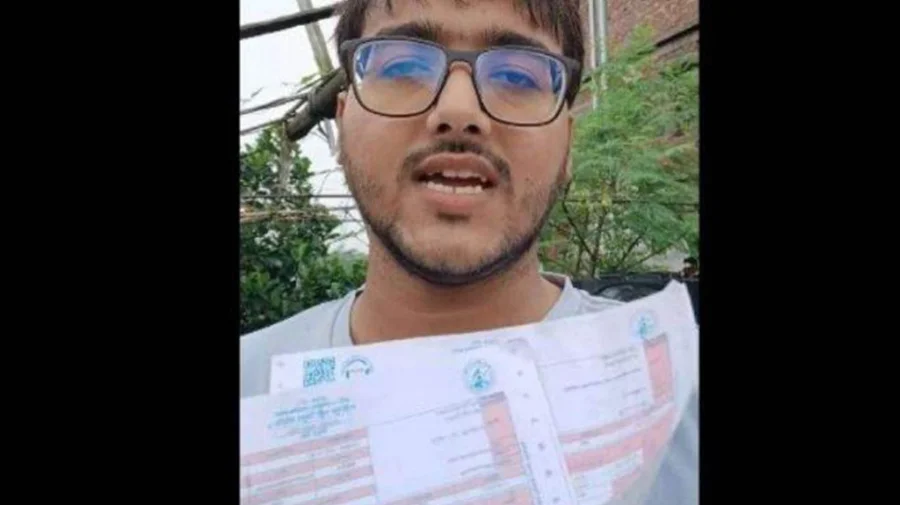
The 20-year-old Adamjee Cantonment College student made the claim in a Facebook video. The amount has not been independently verified. He used abusive language when referring to the ruling BNP, hurled abuses at the prime minister and home minister during his vitriolic post as he ranted for about a minute and a half. Police detained him in Gachha, Gazipur, on Thursday night. His maternal uncle later told Deutsche Welle that Sifat's father is ill abroad and no longer has a valid work permit, leaving the young man under considerable strain; the unusually high bills added to it.

Sifat's language deserves no defence. Personal abuse degrades public debate and distracts from the grievance being raised. But bad language is not terrorism. The state must be able to make that distinction, particularly when the ruling party and the head of government are the subject of his expletives.
The account police gave to Deutsche Welle is more disturbing. The case was filed on June 27 after a torch procession and alleged attacks by members of the Awami League and Chhatra League. It names 10 to 12 people and 50 to 60 others. Sifat was not among those named.
Gachha police said officers, after consulting senior officials, decided to show him arrested in that case. The investigating officer described him as a suspect because he had made "provocative" Facebook posts. The officer-in-charge alleged that Sifat had joined several processions, but acknowledged that police had preliminary information and would now seek evidence — a sequence that turns due process on its head.
Police should collect evidence before making an arrest, not arrest a man over a viral video, place him in an old case where he was never named, and then go looking for proof. If evidence connects Sifat to the June incident, police must place it before a court. Until then, the timing of his arrest will look coincidental at best.
The provisions invoked also demand explanation. The June case was filed under Sections 8, 9(3), 10, 11 and 12 of the Anti-Terrorism Act — provisions covering membership or support of a banned entity, conspiracy, attempt, aiding and abetment. Police must identify the organisation Sifat allegedly conspired with and specify his actions.
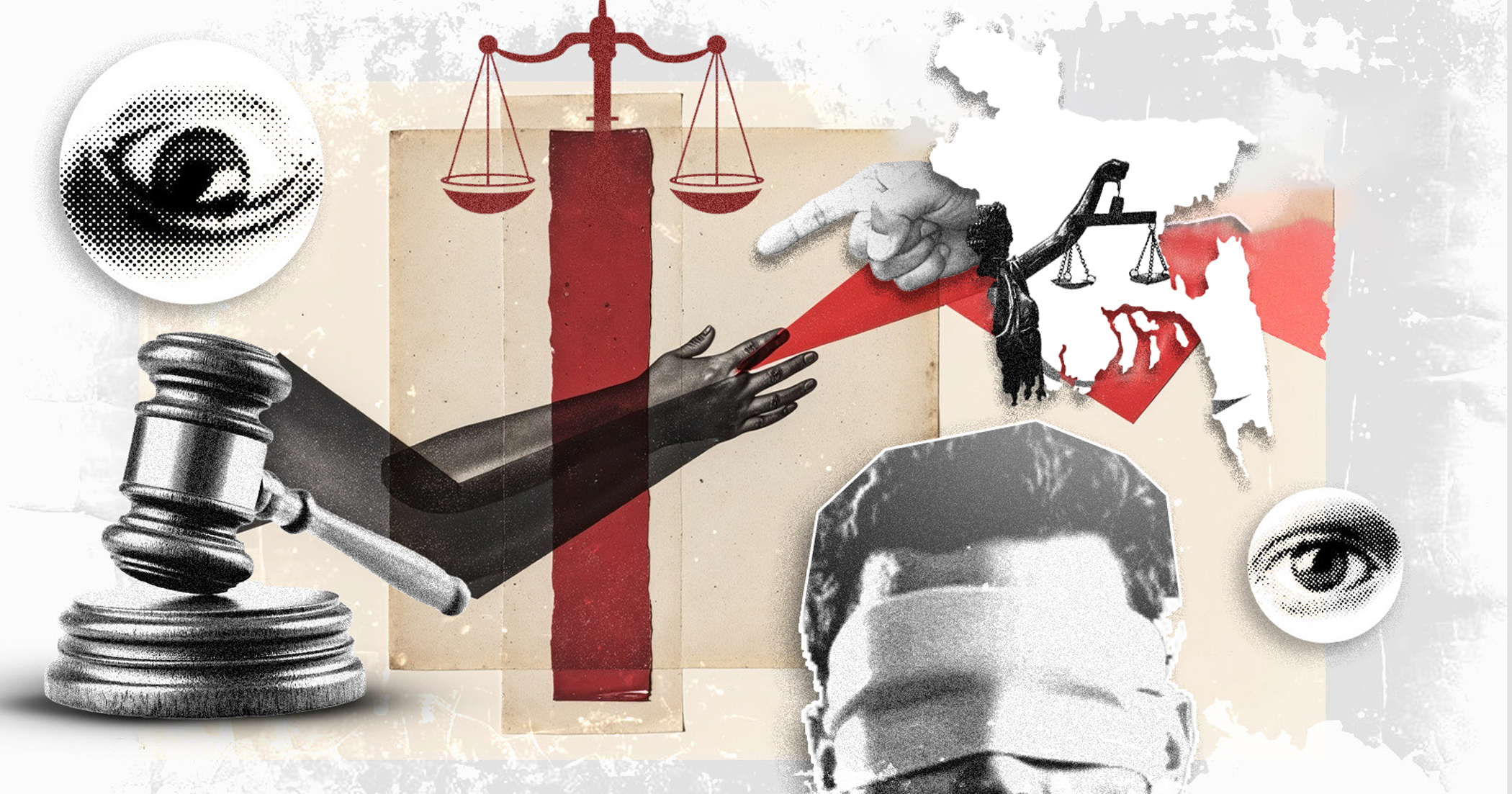
The arrest is not an isolated knee-jerk reaction. On March 27, police in Muktagachha, Mymensingh, sent Azizul Haque to jail after a Facebook image of the prime minister angered local BNP activists; Human Rights Watch later reported that the Anti-Terrorism Act and cyber law had been invoked. On April 2, Jubo Dal activists in Sreenagar, Munshiganj, reportedly detained Shaon Mahmud and handed him to police over online remarks; he, too, was arrested under the anti-terrorism law.
These cases expose an old political habit: treating the ruling party, the government and the state as interchangeable. Criticism of a leader is recast as opposition to the government and then as hostility to the country. Governments may change, but police trained to anticipate the wishes of those in power will repeat the same abuses unless they are reformed and held accountable.
Article 39 of the constitution guarantees freedom of expression, subject to reasonable restrictions. The UN Human Rights Committee has made clear that merely insulting a public figure is not sufficient grounds for punishment. Any restriction must be necessary and proportionate to a genuine threat. Political embarrassment does not meet that test.
Arafat Rahaman is a journalist at The Daily Star. He covers education and writes on governance, rights and public accountability. He can be reached at arafat.mcj@yahoo.com.
 For all latest news, follow The Daily Star's Google News channel.
Comments