


In search of work, caught in war

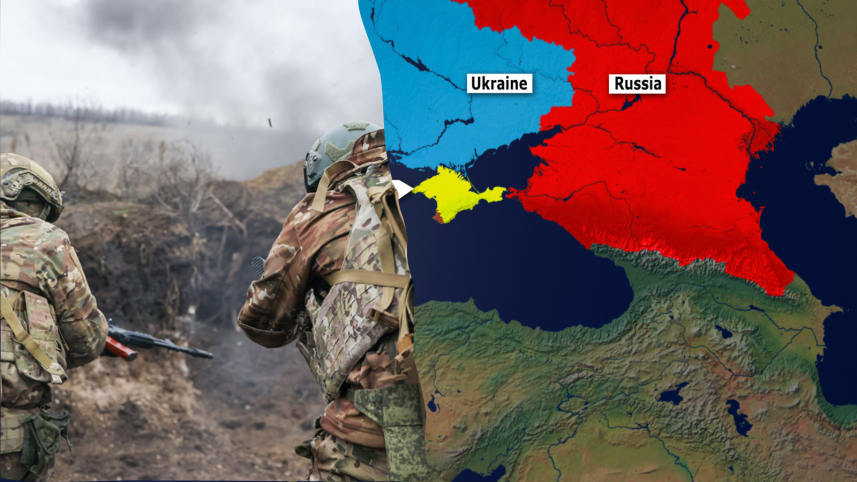
A group of 30 Bangladeshi youths had left the country for Russia with work visas and manpower clearance.
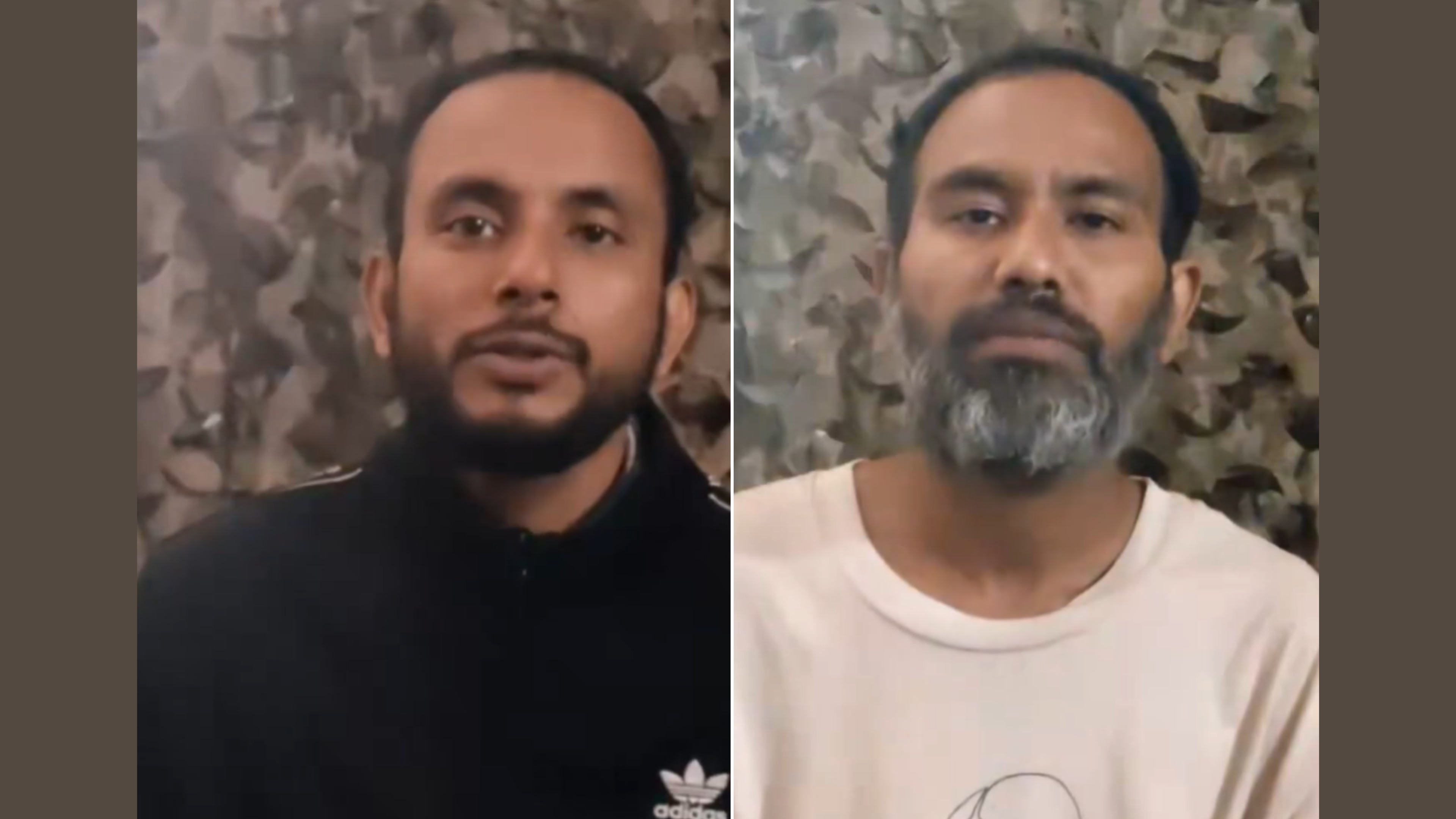
Weeks later, at least four of them were dead, allegedly after being forced towards the Russia-Ukraine war front, while two others -- Kamal Hossain and Md Sourav Molla -- remain traceless after reportedly escaping from Donetsk and contacting BRAC for help.

The workers went to Russia on April 24 after receiving clearance from BMET through recruiting agencies. After reaching Russia, the workers were being forcibly prepared for war at a camp and later sent to the battlefield.
Expatriates’ Welfare and Overseas Employment Minister Ariful Haque Choudhury informed the parliament in this regard on Thursday.
“According to the latest information, four of the said 30 workers have died. I hope that it will be possible to bring the others back to the country through communication with Russia,” the minister said.
“The workers went to Russia on April 24 after receiving clearance from the Bureau of Manpower, Employment and Training through recruiting agencies,” he also said, adding that his ministry later received information that, after reaching Russia, the workers were being forcibly prepared for war at a camp and later sent to the battlefield.
The ministry sent a letter to the Bangladesh Embassy in Moscow on June 15, asking it to take necessary steps to rescue the endangered Bangladeshi workers and arrange their return home.
A report sent to the ministry by the Bangladesh mission in Moscow earlier on May 25 shows that the mission had already alerted Dhaka about the 30 Bangladeshis sent to Russia’s Orenburg-based “Pro-Technologis Limited Liability” company through Jalal-E-Noor International Ltd, a recruiting agency, on May 5.
The report, signed by the first secretary (labour) of the embassy, said its labour wing had not attested any documents for Jalal-E-Noor International Ltd in this regard. It also said another agency, M/S RS International, had earlier submitted a demand paper in March for sending 70 workers to the same Russian company.
While reviewing the documents, the embassy found errors and inconsistencies and asked for corrections. The report said parts of the attestation process, including uploading documents to the Overseas Employment Platform, were kept pending due to suspicion.
The embassy then contacted the Russian company and the recruiting agency to know whether there was any risk that the workers might be sent to the Ukraine war.
Both verbally assured the embassy that the Bangladeshis would not be sent to war and would instead work at a drone factory in Orenburg, according to the report.
The embassy also tried to inspect the company’s facility. However, the facility was inside a special economic zone and could not be inspected without prior approval from Russia’s Federal Security Service.
Concerns deepened after the embassy received a phone call on May 18 from a family member of a Bangladeshi worker, who alleged that the workers were being kept at a training centre in Donetsk, with their mobile phones seized, and secretly prepared for deployment in the war, the report said.
After this, the embassy contacted the recruiting agency and later sent a note verbale to the Russian foreign ministry on May 25, requesting an investigation and urgent legal measures over the workers’ situation.
The report also recommended strict legal action against the Bangladeshi recruiting agency involved if irregularities were found, and putting maximum pressure on both the recruiting agency and the Russian company to bring all the workers back to Bangladesh at their own cost.
Shariful Islam Hasan, associate director of BRAC’s Migration Programme and Youth Platform, said Kamal and Sourav had contacted BRAC from a shop after fleeing the battlefield in Donetsk, and told them that they no longer had valid documents.
He also said BRAC immediately contacted the Bangladesh Embassy in Moscow and shared their phone number, WhatsApp and passport information. They were believed to be in or around Stepanovka in Donetsk at the time.
 For all latest news, follow The Daily Star's Google News channel.
 BRAC also contacted the International Committee of the Red Cross and other international rescue channels, he said, adding, “But they also said nothing could be done there outside the Russian army’s control.”
Shariful said the next day, BRAC learned that the two had been detained.
“They went to a market, where their Russian commander saw them, stopped them, and informed the nearest checkpoint. Later, an army vehicle came and took them away,” he said.
“We still do not know whether they are alive or dead,” he added.
Kamal and Sourav had Bangladeshi passports, Russian work visas and BMET EC cards showing Russia as their destination country, issued on April 27 this year.
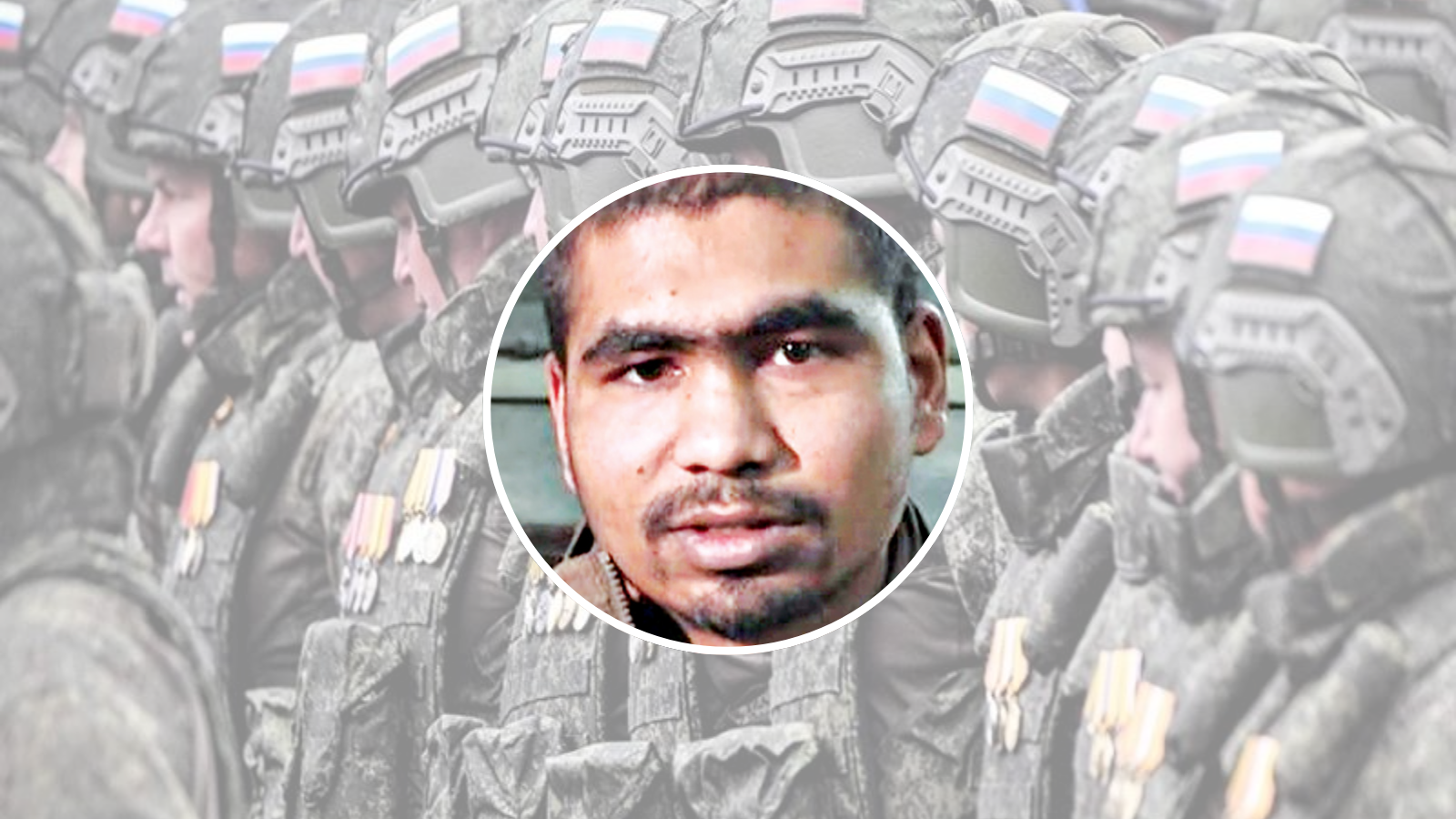
“Many Bangladeshis are now trapped in the Russia-Ukraine war. They went to Russia with promises of good payments and Russian citizenship. But now they neither get paid nor can leave the country,” Shariful said.
He also said many Bangladeshis cannot read Russian and depend entirely on brokers and recruiters when signing documents. “They are told to sign agreements for work. After reaching there, they realise the agreement has connected them to the war.”
Comments