


Hormuz reopening is in everyone's interest
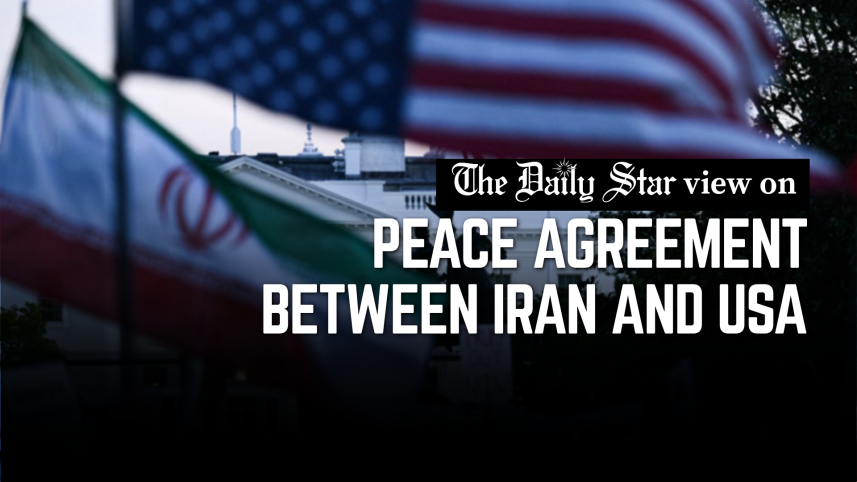
The agreement between Washington and Tehran to end their war and reopen the Strait of Hormuz, if implemented as announced, will be felt far beyond the Gulf. Among its quieter beneficiaries stands Bangladesh, which has spent more than 100 days absorbing an energy crisis it did nothing to cause and has limited means to resolve.
The deal is the most significant diplomatic development in a conflict that has killed thousands and convulsed global energy markets since US and Israeli forces struck Iran in February. The foreign ministry in Dhaka welcomed the agreement warmly on Monday. The ministry's hope for the "early restoration of regional calm, supply chain and collaboration" made clear what was really at stake. Bangladesh's power sector is heavily dependent on imported liquefied natural gas, mostly brought through the Strait of Hormuz, which has remained effectively closed since the war began. The cost fell on Bangladesh in higher energy import bills, strained reserves and idle power plants, damages that rippled through an already fragile economy.

The global market swiftly responded to the announcement of the deal. Brent crude fell 4.4 percent to less than $85 a barrel on Monday. It had almost reached a peak of $120 after the war began. If the strait is gradually reopened over the first 30 days of the 60-day ceasefire extension, as agreed, Bangladesh's import bill should ease and so should the pressure on the taka. These are not trivial gains for an economy operating with limited fiscal headroom and overwhelmingly dependent on imports.
The deal also carries longer-term implications. The agreement, which caps weeks of fraught negotiations since an initial ceasefire was agreed in early April, is set to be signed by the two adversaries in Switzerland on Friday. However, the memorandum of understanding is just a beginning. Israel's strike on Beirut on Sunday—which prompted a rebuke from President Donald Trump—illustrated how quickly spoilers can destabilise even carefully constructed diplomatic processes. Iran's compliance with mine clearance, the pace of sanctions relief, and the durability of the nuclear framework all remain to be tested. Trump said the US would lift its naval blockade imposed in April on ships moving in and out of Iranian ports. Bangladesh's foreign ministry was right to hope the agreement would be “implemented in good faith and prove durable and sustainable.”
For Bangladesh, the more urgent task is operational. The energy authorities should now lock in improved terms on LNG procurement while prices remain soft. We must remember that markets move faster than shipping lanes reopen. Over the medium term, the lesson of the past 100 days should not be forgotten even as the immediate crisis eases. An economy so exposed to a single maritime chokepoint requires diversified supply chains, accelerated domestic gas exploration, and a serious renewables programme as alternatives to LNG imports and hedges against the next conflict that chokes fuel supplies. The aim should be to build an energy economy less exposed to future shocks.
 For all latest news, follow The Daily Star's Google News channel.
Comments