


Ramisa, Asiya, and the unfinished duty of the state

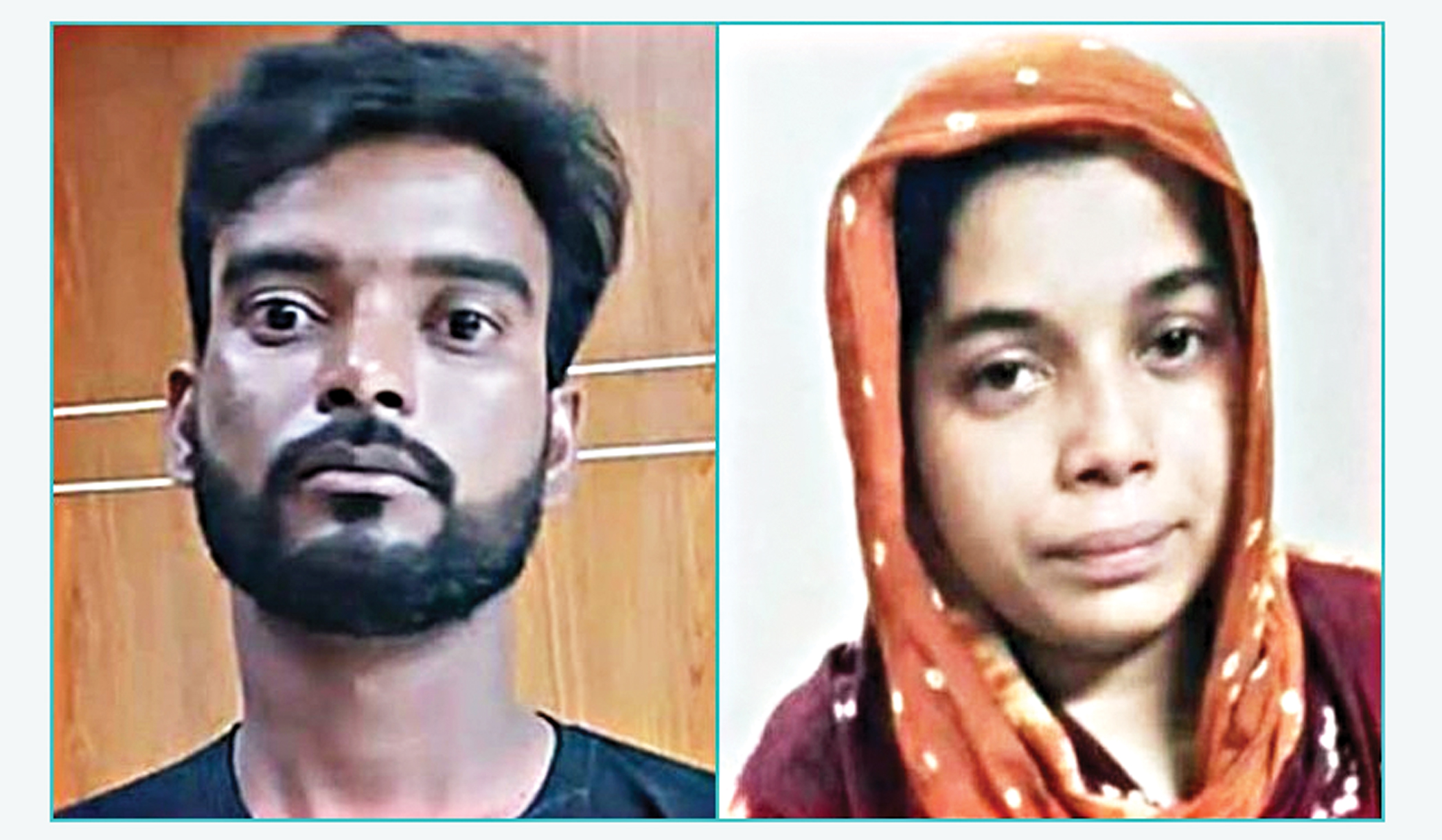
The swift disposal of the rape and murder case of Ramisa Akter is, in one sense, a necessary assertion of the state’s authority against a crime that strikes at the very foundation of civilised life. A Dhaka tribunal sentenced the prime accused Sohel Rana and his wife Swapna Khatun to death and imposed fines in a case that moved with extraordinary speed. The tribunal wrapped up trial proceedings, including hearing testimonies from 16 prosecution witnesses, in just six working days. The question, however, is not whether a tribunal can move quickly under intense public attention. The question is why such urgency is still exceptional.
The Ramisa case has exposed that Bangladesh does not suffer from a lack of stringent laws; it suffers from a chronic failure to make those laws credible or evenly applied in ordinary cases. The Women and Children Repression Prevention framework—strengthened over time and politically invoked after almost every national outrage—already permits the harshest punishment. In 2020, Bangladesh approved death or rigorous imprisonment for life for rape convictions following nationwide protests over some high-profile sexual assaults. The Evidence Act was amended in 2022 to prevent the courtroom humiliation of rape survivors through questions about their general character or previous sexual behaviour, except with court permission where justice requires it. So, the architecture of law exists. What remains scandalously fragile is implementation.

This is why the Ramisa verdict must not be treated as a ceremonial triumph. Rather, it must be treated as an institutional audit. The court itself has observed that crimes against children “deeply wound” the whole society and test the justice system, while noting that the same tribunal had more than 1,800 pending cases. If one case can be investigated, charged, prosecuted, and decided with such seriousness, then the delay in thousands of other cases is not an unavoidable act of fate. It is a product of administrative neglect, forensic bottlenecks, weak prosecution management, witness intimidation, poor case scheduling, and a judicial culture that too often confuses adjournment with procedure.
The contrast with the Asiya case is instructive here. After the rape and murder of the eight-year-old in Magura in March last year, the relevant law was amended to require completing investigations within 15 days and trials within 90 days. A tribunal later sentenced Hitu Sheikh to death and acquitted two others. But more than a year later, the mandatory death reference still remains pending before the High Court, and such delays are anything but uncommon. This is where public confidence collapses. A trial court verdict, however strong, is not final justice. In death sentence cases, the record must go to the High Court for confirmation, and the convicted persons retain the right to appeal. In Ramisa’s case, the attorney general has said the hearing process will be expedited after receipt of records and preparation of the paper book, while the law minister has said the verdict’s execution may be possible within three months if all legal procedures are followed. That last condition is crucial. Justice must be swift, but it must also remain lawful, because a state that bypasses due process in the name of outrage ultimately weakens the rule of law it claims to defend.
The social dimension of the Ramisa case gives us a harder pause. These crimes are not isolated deviations committed by monsters from outside society. They are being committed within neighbourhoods, homes, schools, and other spaces where children are supposed to be protected. UNICEF warned in 2025 of a surge in horrific cases of child rape and sexual violence in Bangladesh, including in places meant to protect and nurture children. Ain o Salish Kendra (ASK) reported that from January to May 20, 2026, at least 118 children were victims of rape, 46 faced attempted rape, 14 were killed after rape, three were killed after failed rape attempts, and two reportedly died by suicide after being raped. These figures are not merely statistics. They are a damning indictment of weakened family vigilance, community silence, institutional indifference, and state failure.
The argument for expedited justice, therefore, is not merely emotional; it is grounded in deterrence, social signalling, and the moral duty of the state to protect the vulnerable. But expedited justice cannot mean punishment in one famous case and paralysis in the rest. Deterrence is not created by the severity of law on paper but by the certainty that an offender—any offender—will be detected, prosecuted, convicted after a fair trial, and made to face the legal consequences without years of delay in appeal. A culture of impunity is built not only by acquittals; it is also built by delay, missing evidence, absent witnesses, compromised investigations, and families being forced to abandon cases because the justice process is financially and emotionally unbearable.
The Ramisa trial offers several lessons. Police must be made institutionally capable of rapid investigation, not merely publicly rewarded after a sensational case. DNA reports, post-mortem reports, digital evidence, charge sheets, and victim support services must operate under enforceable deadlines. Prosecution teams must be specialised, monitored, and trained to handle child witnesses, forensic evidence, and appeal preparation. Courts dealing with women-and-children repression cases must be given adequate judges, stenographers, court staff, secure witness rooms, and digital case management. The High Court Division should prioritise death references and sensitive appeals through dedicated benches, but such priority must become a transparent roster policy, not an improvised response to media pressure.
Prevention must also be treated with equal seriousness. A state that only acts after a child is dead has already failed. Schools, madrasas, mosques, local government bodies, community clinics, and social welfare offices must be drawn into a permanent child protection network. Moreover, children must be taught bodily autonomy and safe reporting in age-appropriate language. Parents must be trained to recognise grooming, secrecy, threats, online abuse, and behavioural signs of trauma. Neighbourhoods must stop treating sexual violence as a matter of compromise, shame, or family negotiation. Any informal settlement of rape or such abuse should trigger accountability for those who attempt to suppress the crime.

The justice system must also be victim-centred. Families often need legal aid, counselling, safe shelter, witness protection, and financial support to continue litigation, and the system must be able to support this. Also, we often see that the “death” of public attention becomes the death of a case. That cannot continue. Every Ramisa and every Asiya should receive the same urgency before the media arrives, not because the nation is watching, but because the Constitution promises life, dignity, and protection.
Finally, the real takeaway from Ramisa’s case is brutally simple: Bangladesh can move fast when the state wants to move fast, and it is both encouraging and damning. It proves capacity but also exposes selective urgency. If the machinery of justice can be mobilised for one child, it must be made available for all children. Eliminating such crimes requires more than strict laws and more than one swift verdict; it requires certainty of punishment, integrity of investigation, speed at every appellate stage, social refusal to protect offenders, and a national culture that treats the safety of girls and children as a non-negotiable measure of civilisation. Ramisa’s case should not become a passing moment of satisfaction. It should become the point from which the nation stops accepting delay, impunity, and preventable violence as normal.
Khan Khalid Adnan is advocate at the Supreme Court of Bangladesh, fellow at the Chartered Institute of Arbitrators, and head of the chamber at Khan Saifur Rahman and Associates in Dhaka.
Views expressed in this article are the author's own.
Follow The Daily Star Opinion on Facebook for the latest opinions, commentaries, and analyses by experts and professionals. To contribute your article or letter to The Daily Star Opinion, see our guidelines for submission.
 For all latest news, follow The Daily Star's Google News channel.
Comments