


Revamping primary healthcare is crucial
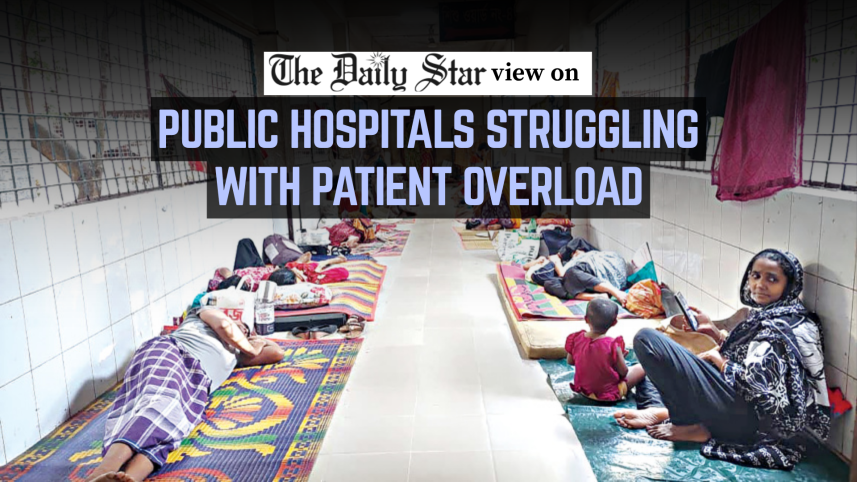
The prime minister recently informed parliament that approximately 40 lakh patients receive treatment on hospital floors around the country—a staggering figure that lays bare the chronic issue of overcrowding in our public healthcare system. Records tracked by the Directorate General of Health Services (DGHS) from 2021 to 2024 show a steady rise in the average bed occupancy rate (BOR) in public healthcare facilities: 131 percent to 178 percent in district hospitals; 130 percent to 164 percent in medical college hospitals; and 85 percent to 111 percent in upazila health complexes.

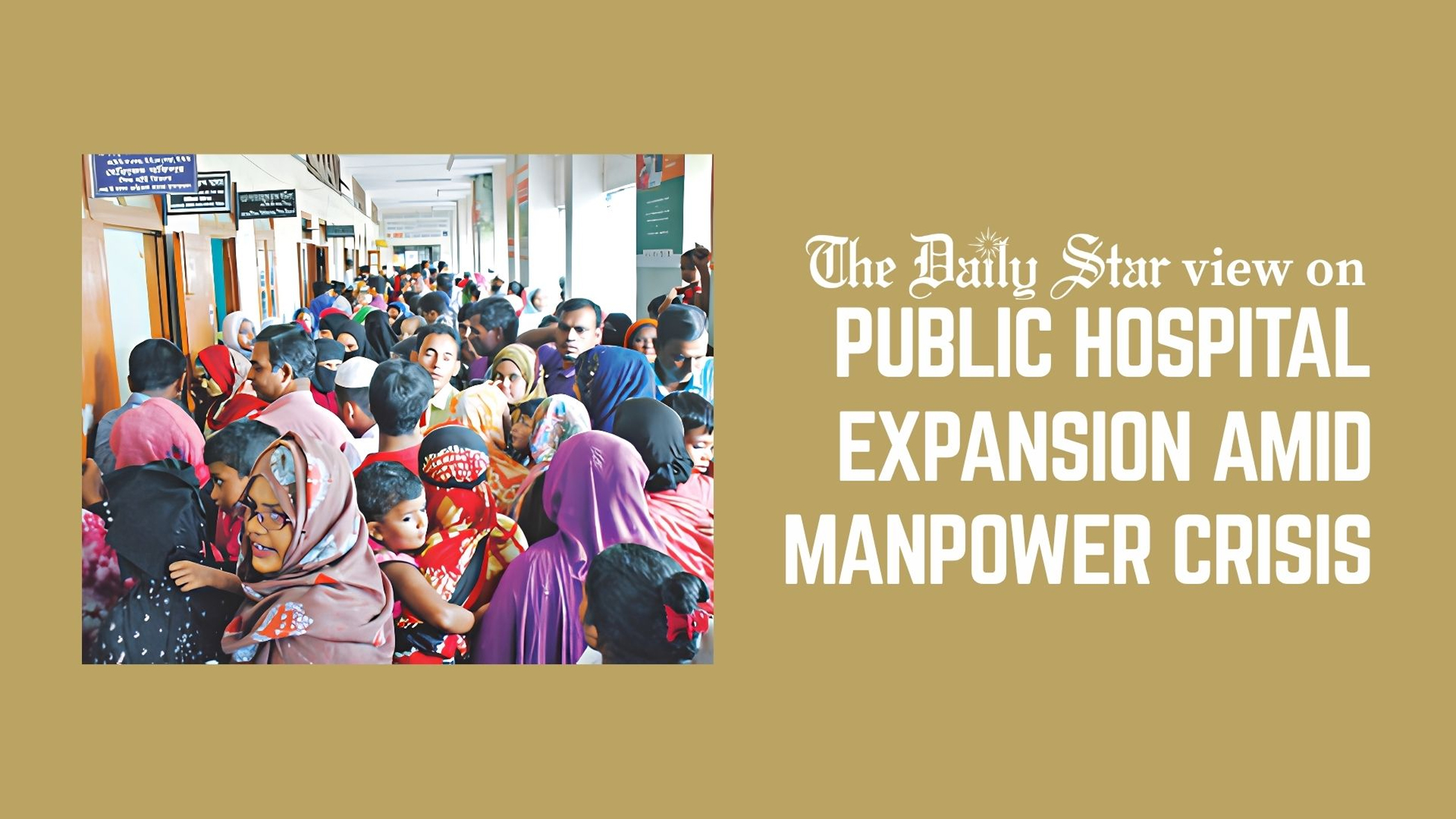
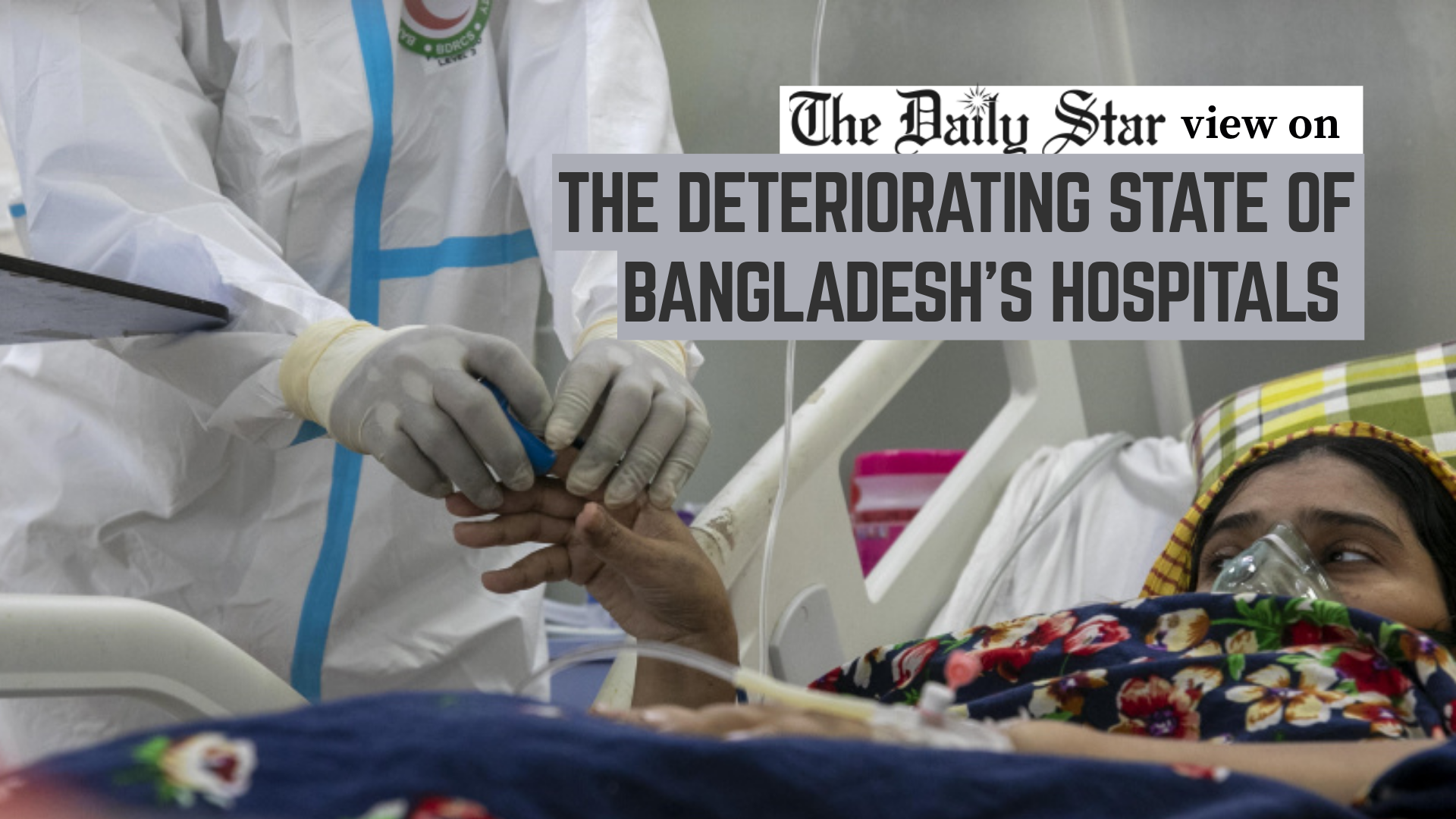
The situation is more dire in some facilities. Of the 59 district hospitals and 23 medical college hospitals tracked by the DGHS, five district and two medical college hospitals showed BORs exceeding 300 percent; which means for every hospital bed, there were three patients. The fact that many of these facilities also suffer from acute manpower shortages makes matters worse. This translates to more than just inadequate medical attention. Patients forced to stay on the floors and in corridors are also deprived of sufficient food, medicine and other supplies, not to mention that they are at a higher risk of exposure to infections. Another recent study draws attention to the alarming spread of drug-resistant infections at intensive care units (ICUs), underscoring the dangers of overstretched facilities and inadequate critical care capacity.
Tackling this crisis requires urgent and multi-pronged action. As experts have pointed out, bolstering the country’s primary healthcare system must be the first priority. Community clinics, union-level facilities, and upazila health complexes should be the first point of contact for most patients. Without a strong primary healthcare system, secondary and tertiary hospitals will perpetually remain overburdened, no matter how many beds are added. At the same time, the government must develop a functional referral system so patients receive care at the appropriate level and are referred to specialised treatment only when necessary.
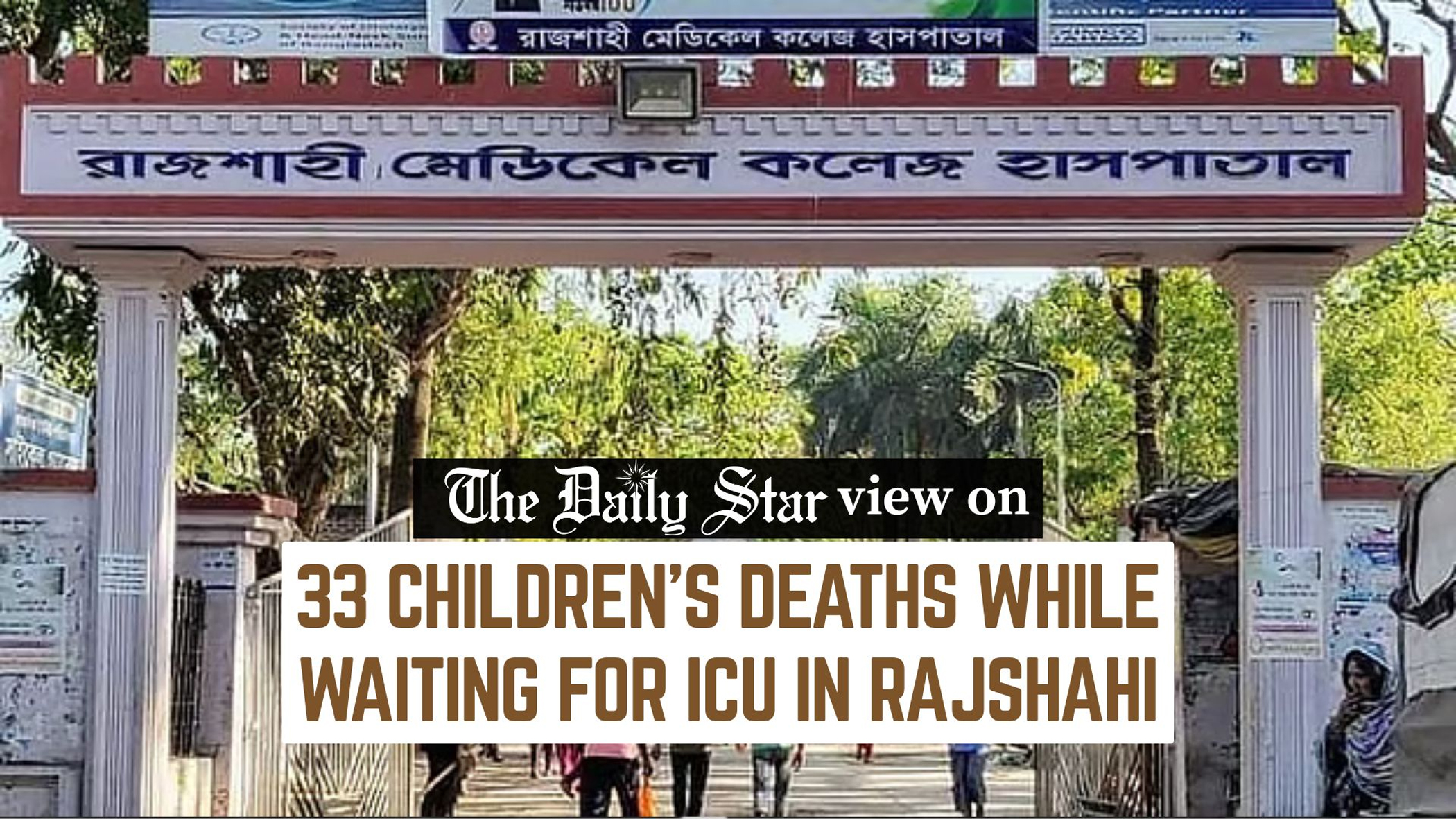
However, without addressing the manpower shortage, all these actions will be futile. More than 23,000 sanctioned positions at state-run facilities remain vacant, among which 9,407 posts are for doctors. The government has taken steps to recruit 5,000 doctors, in addition to the 3,000 coming in from the BCS recruitment process. But even these appointments will fall short of filling the existing vacancies. What will happen when the government's hospital expansion plan is complete? We have already seen what happens when capacity is increased without the required support: in April, about half of the installed ICUs in the country were reported to be sitting idle due to a personnel shortage, while critically ill patients died waiting for such care.
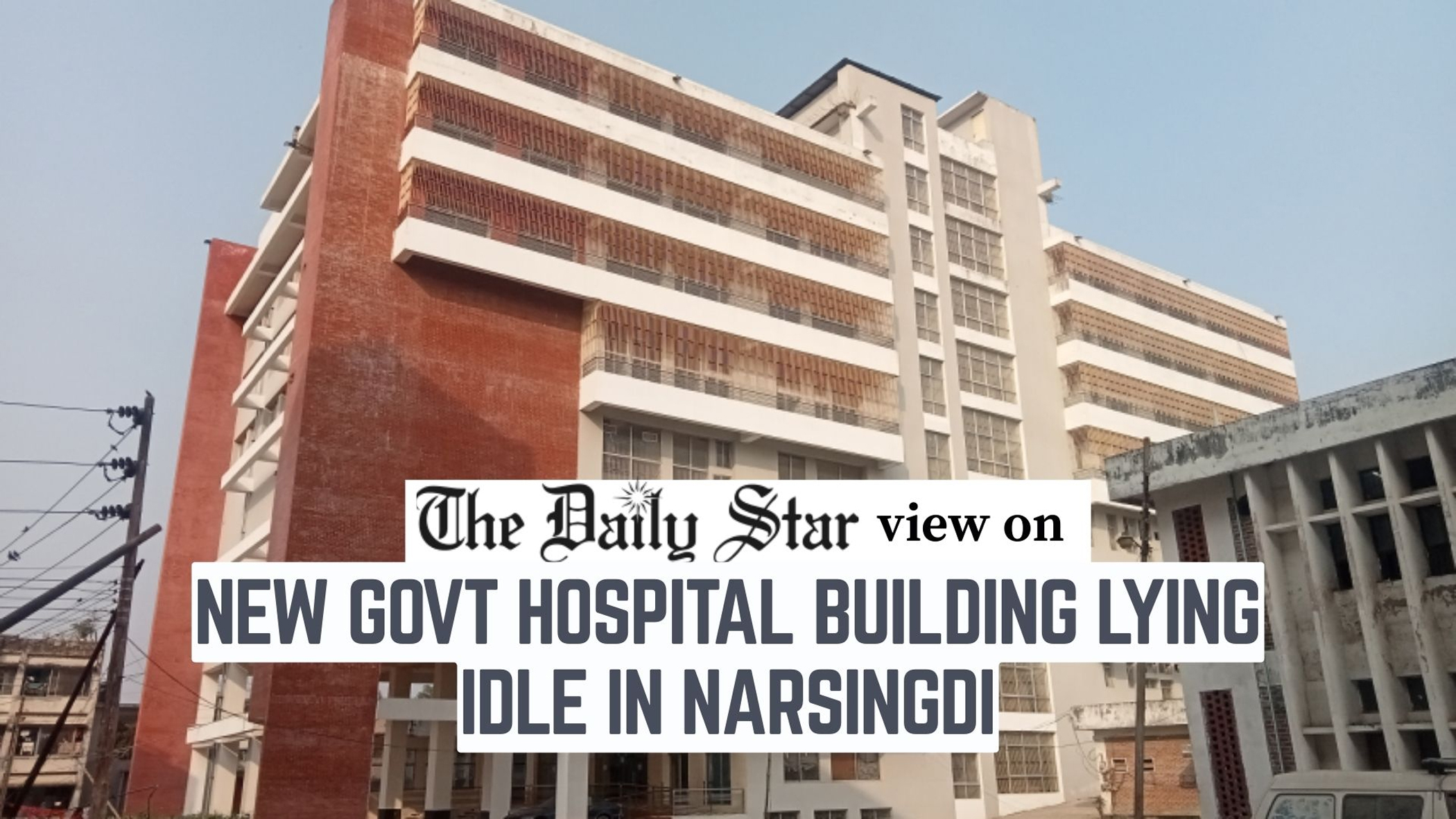
The hospital expansion initiative is an opportunity to address long-standing structural weaknesses in our public healthcare system. It must not be squandered. Beyond that, primary care must be strengthened. The goal should be to build a healthcare system where patients receive the right care at the right level, hospitals are staffed as well as expanded, and no one has to endure treatment on a corridor or hospital floor because the system has been stretched beyond its limits.
 For all latest news, follow The Daily Star's Google News channel.
Comments