


Solarising three-wheelers should be our next step in clean mobility
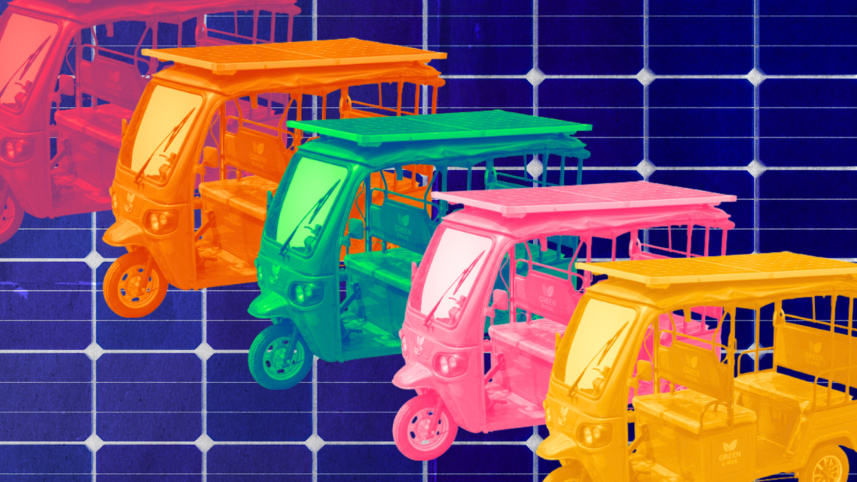
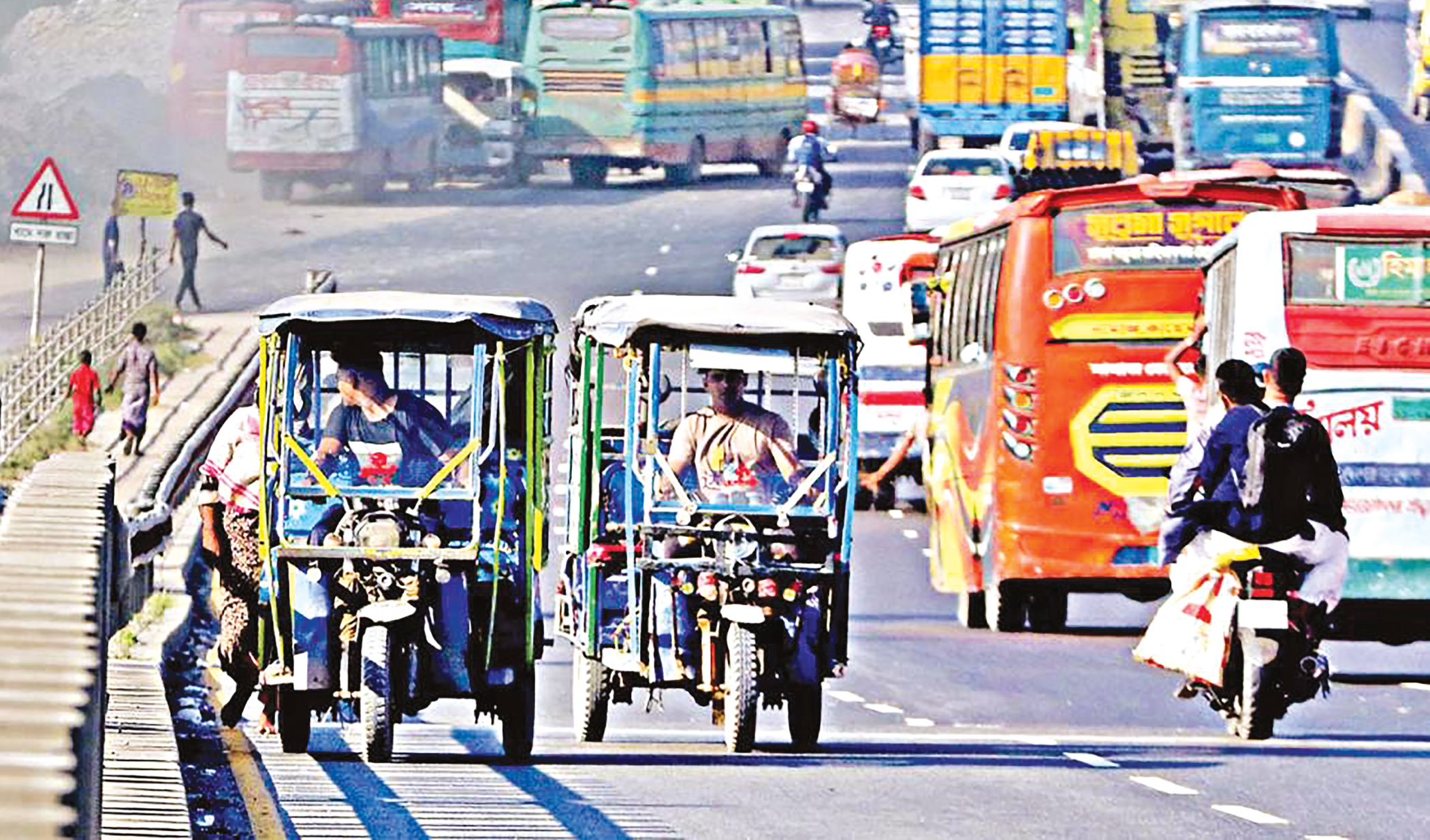
The major tax cuts extended to battery-powered electric vehicles (EVs) in the just-unveiled budget have, by association, brought the issue of battery-run three-wheelers to the fore. From Dhaka’s crowded roads to remote rural growth centres, these vehicles have transformed mobility in Bangladesh. Known locally as easy bikes, e-bikes, or auto-rickshaws, these vehicles offer affordable mobility and livelihoods to countless people across the country. But it also comes with a growing dilemma in regard to energy consumption.
Most three-wheelers use electricity that is generated largely from fossil fuels. At a time when Bangladesh is looking for cleaner and cheaper energy solutions, solarising this informal but massive fleet of three-wheelers offers an important opportunity to connect mobility with renewable energy and turn a mounting electricity burden into a pathway for green mobility.

Estimates vary, but according to the Bangladesh Road Transport Authority, more than 60 lakh battery-run three-wheelers are operating nationwide. Despite their popularity, these vehicles face several challenges, including unstable structures, poor braking and suspension systems, unregulated operations, and unsafe charging practices. Their energy issue is even more serious.
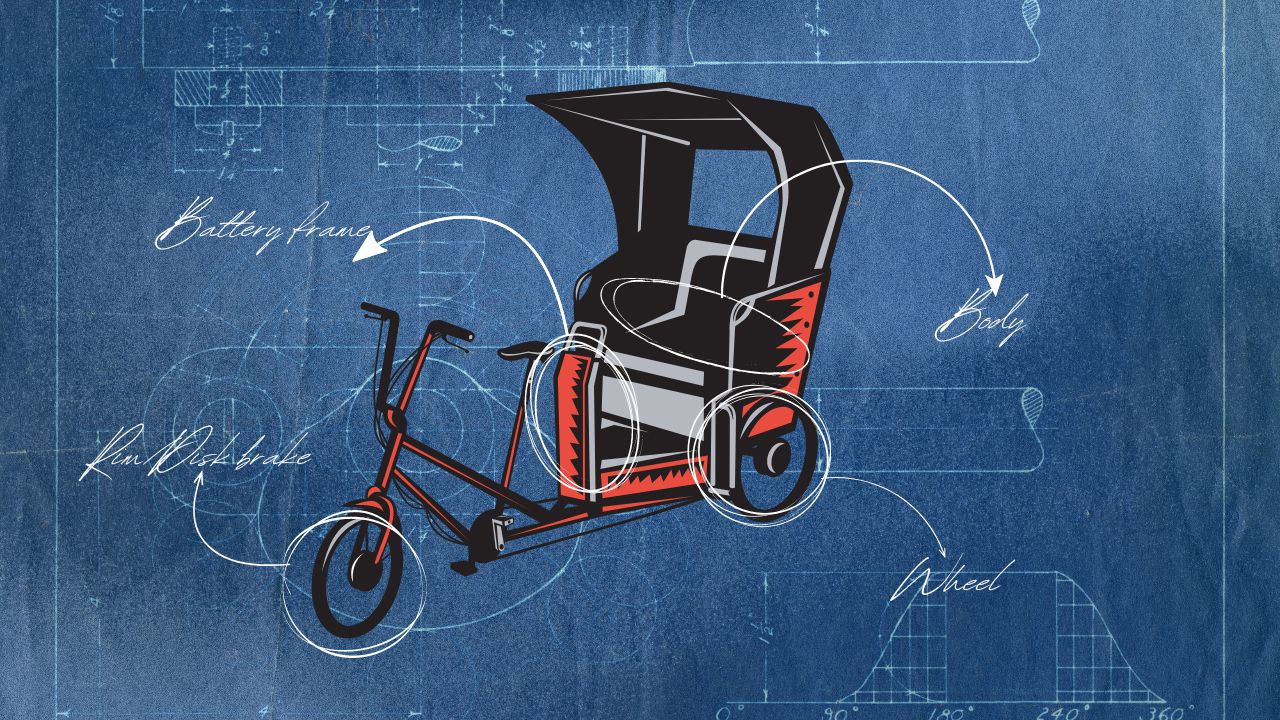
Most of the vehicles still rely on outdated and heavy lead-acid batteries paired with inefficient, cheap chargers that generate excessive heat and waste a significant portion of the electricity drawn. Although much lighter and more efficient lithium-ion batteries are available in the market, their adoption remains limited because of higher upfront costs and lack of policy support.
Charging these vehicles also puts pressure on the national grid. A large chunk of electricity is drawn through domestic connections or illegal hooking. Since many vehicles remain unregistered, accurate statistics are difficult to obtain. However, if each vehicle consumes an average of four to six units of electricity daily, the combined demand of 60 lakh vehicles could exceed 3.5 crore units every day. This is where considering a move towards solarisation becomes relevant.
Installing solar panels on the roofs of three-wheelers, connected through charge controllers to the battery system, can partially recharge batteries during daytime operations. One study looking into electricity consumption across developed and developing countries suggests that, for households, use of rooftop solar panels can reduce grid electricity consumption by 20 to 60 percent. The same positive outcomes could be seen for three-wheelers fitted with rooftop solar panels as well.
Bangladesh can also explore solar-powered charging stations under net metering arrangements. Charging hubs equipped with solar photovoltaic (PV) systems could export electricity to the national grid during the daytime and draw electricity back at night when vehicles require charging. Such systems would reduce pressure on the national grid while promoting renewable energy integration.
The idea is neither unrealistic nor unprecedented. In recent years, Cuba has rolled out electric three-wheelers demonstrating how these vehicles can be gradually and sustainably integrated into a country’s transport ecosystem. What began as a localised pilot project in Havana has evolved into a vital nationwide transport network. These vehicles are now common in parts of Havana and other cities. Rather than banning informal electric vehicles, Cuba focused on improving and modernising them.
Bangladesh can draw useful lessons from this experience. For years, battery-run three-wheelers have operated largely outside the scope of formal regulation. Attempting to ban them altogether (as is commonly suggested) would neither be practical nor economically sound. A better approach would be to modernise and retrofit the existing fleet in phases while also keeping in mind the safety of passengers and drivers.
At present, no single authority appears fully responsible for the sector. The Sustainable and Renewable Energy Development Authority (SREDA) could take the lead by coordinating with BRTA to introduce pilot projects focusing on solarisation, improved charging systems, and vehicle regularisation for electric three-wheelers. Such initiatives could transform three-wheelers into more than just low-cost transport, allowing these to become instruments and examples of energy transition, climate adaptation, and decentralised mobility.
The finance minister’s budget speech for FY2026-27 emphasised the intent to deploy solar-powered and electric vehicles (especially buses and trucks) as well as expand supporting infrastructure. But Bangladesh’s clean transport transition can also start with the ordinary three-wheeler that already serves millions of people every day. Modernising and solarising this vast transport network will not only reduce fossil fuel dependency but also ease electricity shortages and bring the use of renewable energy closer to everyday life.
Mohammad Alauddin is former rector of Bangladesh Power Management Institute.
Views expressed in this article are the author's own.
Follow The Daily Star Opinion on Facebook for the latest opinions, commentaries, and analyses by experts and professionals. To contribute your article or letter to The Daily Star Opinion, see our guidelines for submission.
 For all latest news, follow The Daily Star's Google News channel.
Comments