


The elite’s blind spot is deepening our education crisis

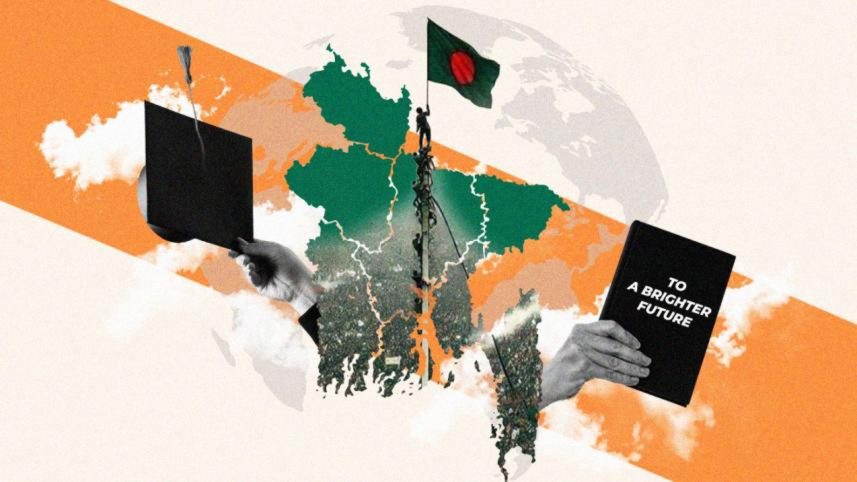
Talking to the Bangladeshi elite—the people with real power and influence—you might think they recognise the education crisis facing the country. Some would shake their heads despairingly and offer examples from their own experience. “I hired someone with a master’s degree, and they could not write a paragraph.” Or, “Nobody is capable of critical thinking or problem-solving.” Or, “Our recruits can’t use the machinery we have invested in.”
Yet, the most privileged groups in our society are blinkered about Bangladesh’s learning crisis. They fail to grasp its most significant dimensions, not least its urgency. Deep down, they do not seem to believe the crisis can be tackled and are instead resigned to the sad fact that the majority of the nation’s children learn little at school.

The facts speak for themselves: Bangladesh’s education system is failing most and has been measurably doing so for quite some time. Over 60 percent of the third graders and 70 percent of the fifth graders don’t have the proficiency in maths appropriate for their grades, while 51 percent of the third graders and 50 percent of the fifth graders lack grade-level competence in Bangla. The overwhelming majority still pass their exams, enter the world of adulthood, and work without the basic foundational, social, and emotional learning needed to survive or thrive. This is a national catastrophe. But this crisis has not yet generated the urgency to drive through the tough system reforms needed.
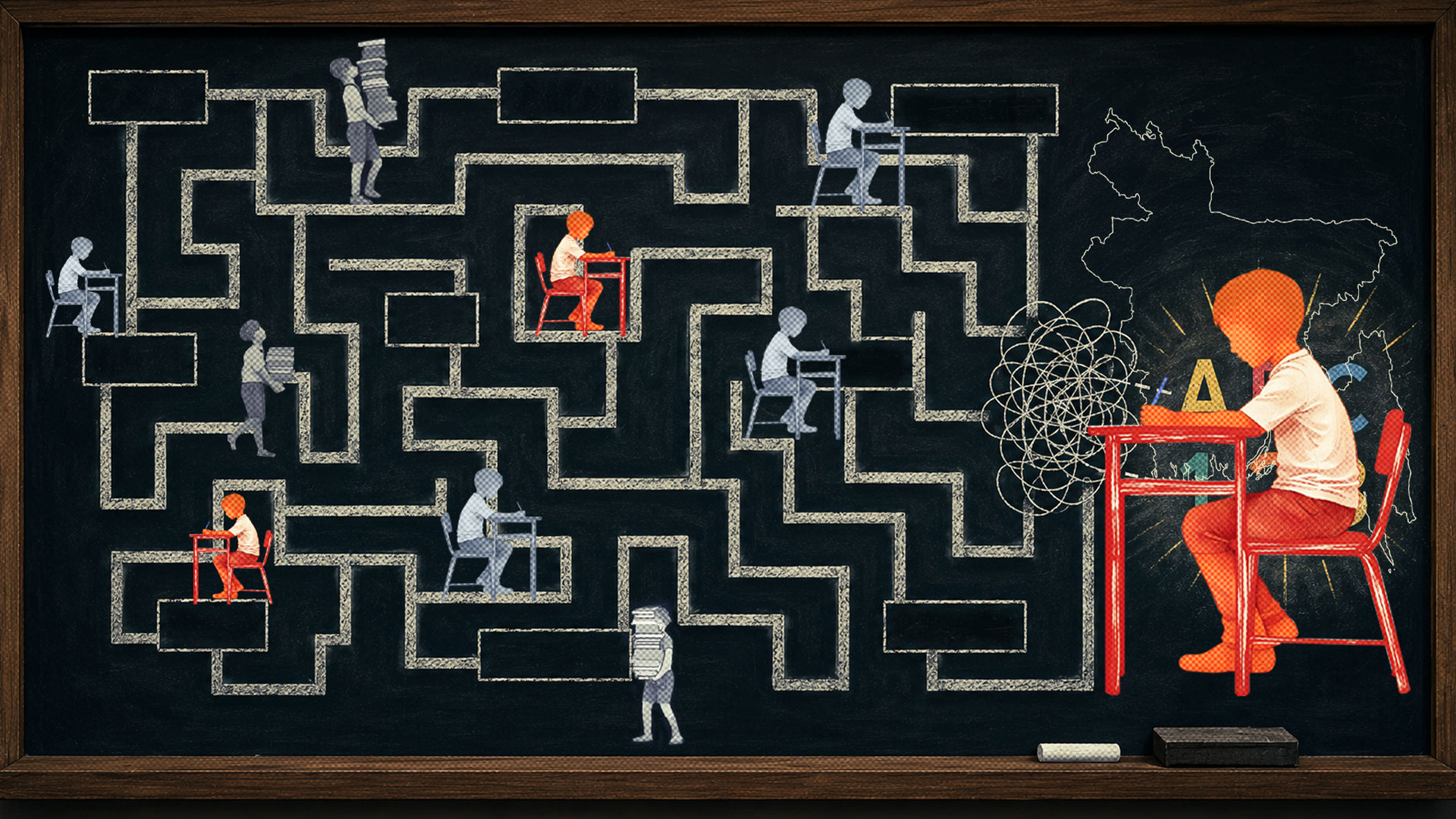
These facts are regularly rehearsed in op-eds, talk shows, and social media. Prominent experts have produced reams of rigorous analysis and robust recommendations. The messages are clear and consistent: children need to spend more time learning with trained teachers who are incentivised to ensure they succeed. Despite multiple major investments, the system has remained more or less the same: in a stable state of very poor performance.
There are a few things that often get lost in translation about this protracted disaster. First, there is a lingering hope that Bangladesh’s much-praised successes with primary education enrolment will somehow spare the sector from total disaster. For years, we celebrated Bangladesh’s achievement of universal primary education. But those successes were about expanding the system, building schools, recruiting teachers, and reaching girls and poor children. These were broadly popular policies, but no one paid much attention to the fact that, while children were indeed going to school, they were learning little there.
Second, few among the elite understand the gravity of the harm inflicted on the country by abysmal public education, falsely believing they are not adversely affected by it. But few members of the upper class have themselves attended or sent their children to public schools, and this is increasingly true of the middle class, too. Some of the new MPs are themselves recent students, some from public schools. However, it remains to be seen if this personal experience will encourage them to champion real solutions to the crisis.
Our learning crisis affects business, too. In the readymade garments sector, middle managers are recruited from abroad or painstakingly trained in-house. Factory floor recruits have adequate skills for the tasks they perform, even if they are unlikely to cope well with automation as the sector tries to move up the value chain. The “manpower” industry in Bangladesh has historically been a volume sector, not one that sends skilled workers abroad to earn high wages. Yet in industries that require a higher average level of skill in their workforce, notably footwear, leather, tech and electronics, business leaders are clear that their industry already suffers from the effects of the crisis.
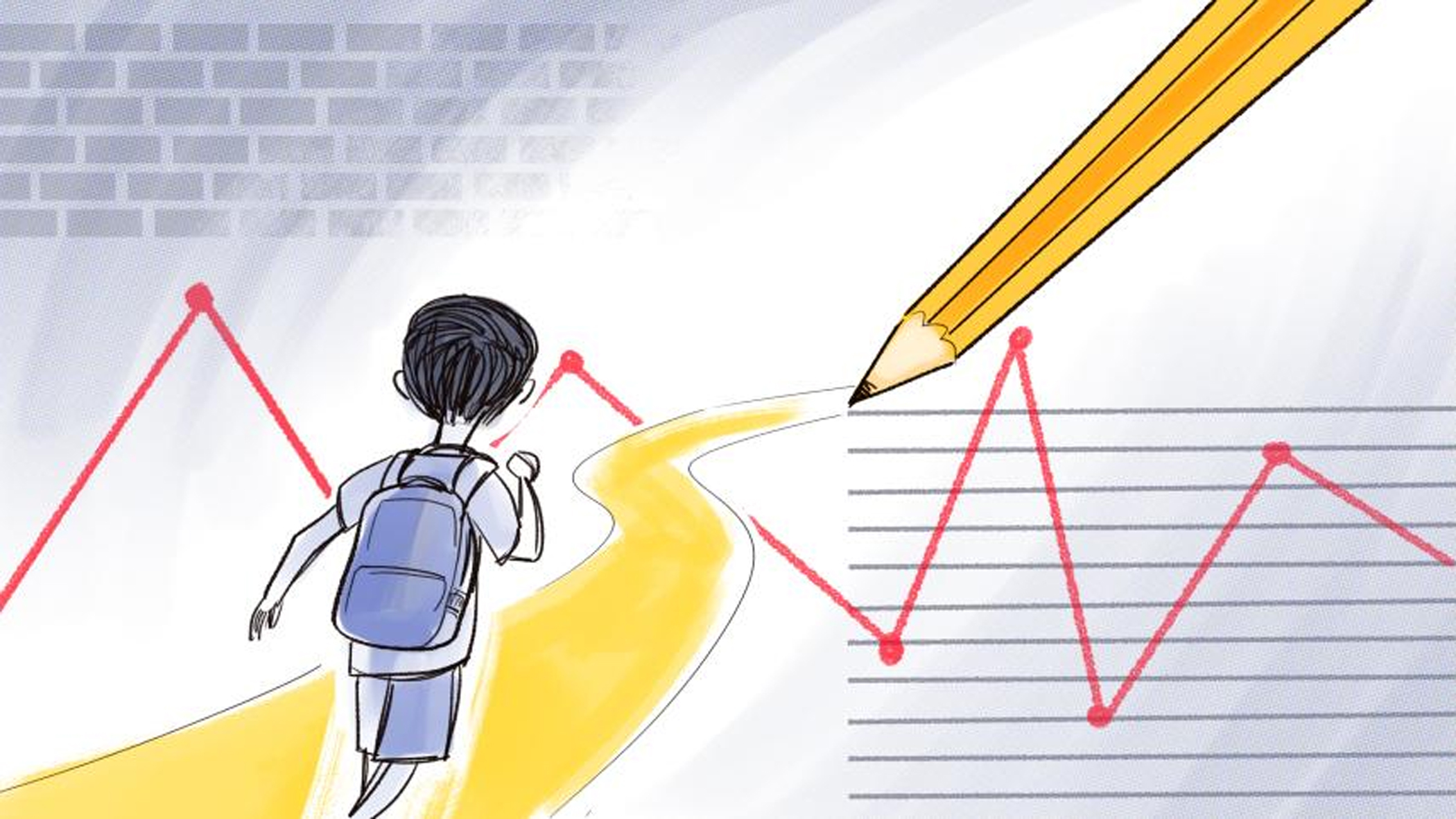
Thirdly, few realise how badly Bangladesh fares against its comparators, or potential competitors. On several international indices, average educational attainments position Bangladesh firmly among the low-income and least developed, far below what would be expected of an education system in an aspiring middle-income country.
According to an estimate that merges indicators of quality and quantity of education with data from the World Bank (2024) and Our World in Data to estimate the average level of learning achieved across the world, Bangladesh lurks in the lowest quadrant, closer to war-torn Liberia—one of the poorest, least developed countries in the world. On average, Bangladeshis receive six years equivalent of schooling, compared to almost 12 years in Singapore.
Not only does Bangladesh perform poorly, but comparator and competitor countries also possess natural and economic resources such as oil, minerals, timber, and tourism that Bangladesh lacks. Our economy is extremely, perhaps unusually, dependent on its primary resource: the labour power of its people. This means skills matter even more for Bangladesh.
A fourth factor may be the recognition that it is hard to change the system. Organised interests—the guidebook and private tuition industries, the teacher associations primed to mobilise around pay and conditions—make it politically difficult to require teachers to train, attend, and perform as needed. Out of frustration with the system’s failings, many among the privileged embark on personal philanthropic education initiatives. These are laudable, but perhaps also defuse their sense of the crisis facing the one crore students not attending their schools.
When I speak with industrialists, people with the wealth, networks, and collective power to shape government policy, I am struck that there is no policy space or tradition holding the government accountable for the state of education. In other countries with high-performing public education systems, business leaders have made it plain that they need a higher average level of basic skills, not just in maths and writing, but also in collaboration, communication, and critical thinking. That pressure from powerful quarters has been critical for learning reforms to be adopted and implemented in countries with better learning outcomes.
In Bangladesh, recognising that it is both developmentally necessary and popular with citizens, the BNP government has signalled that they take education seriously. The Awami League government acted like a weak authoritarian when it came to the learning crisis: too insulated against public opinion to listen to parents and students, and too dependent on the support of teacher associations and the bureaucracy to push through much-needed reforms. We will soon be at the point at which we sacrifice our demographic dividend and, as one elite interviewee told me, “go from being a poor young country to being a poor old country.”
It is time for the elite to remove their blinkers about the learning crisis, help build a consensus about the kind of education we want and need, and push the government to act. Bangladesh cannot afford to sleepwalk into the future, squandering its sole asset: its creative and resourceful people.
Naomi Hossain is Global Research Professor of Development Studies at SOAS University of London, UK.
Views expressed in this article are the author's own.
Follow The Daily Star Opinion on Facebook for the latest opinions, commentaries, and analyses by experts and professionals. To contribute your article or letter to The Daily Star Opinion, see our guidelines for submission.
 For all latest news, follow The Daily Star's Google News channel.
Comments