


We must make thalassaemia treatment widely accessible

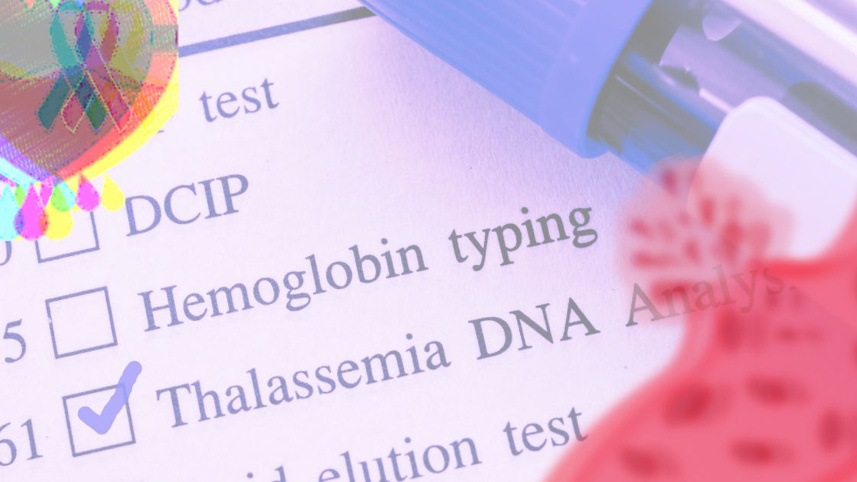
Thousands of families across Bangladesh are quietly battling a lifelong condition known as thalassaemia. This inherited blood disorder prevents the body from producing adequate amounts of healthy red blood cells, leaving patients dependent on regular blood transfusions and continuous medical care. In many parts of the world, thalassaemia is no longer a life-limiting disease. With proper treatment, patients can lead near-normal lives—pursuing education, careers, and even starting families.
For most thalassaemia patients, regular blood transfusion is a lifeline. But in Bangladesh, this lifeline is often uncertain. Voluntary blood donation rates remain low. While almost all blood requirement is fulfilled by voluntary donations in developed countries, only around 30 percent of blood supply results from voluntary donations in Bangladesh. Therefore, patients and families are frequently forced to arrange donors on their own.

Finding blood that is compatible is also not easy as even blood of the same group from a donor may be incompatible with the patient’s blood. Additionally, screening standards and storage facilities are inconsistent, particularly outside major urban centres. This increases the risk of infections, transfusion reactions, and other complications. As a result, many patients live with chronically low haemoglobin levels—far below what is necessary for appropriate growth and a decent quality of life.
However, repeated transfusions can also lead to a buildup of iron in the body. Over time, the excess iron damages vital organs—including the heart, liver, and endocrine system. To counter this, patients require iron chelation therapy—that is, medication used to remove excess iron. But these drugs are expensive, and some require prolonged injections, making adherence difficult. Thus, many patients are unable to continue treatment regularly.
In many countries, thalidomide is increasingly being used to raise haemoglobin levels, including in Bangladesh. Although this drug has allowed many transfusion-dependent patients to reach a transfusion-free state, its safety has not been confirmed by studies and it is therefore not approved for treating thalassaemia in the West. Additionally, unrestricted and indiscriminate use of thalidomide is fraught with several dangerous side effects. As a result, most patients continue to rely on older, less effective options with variable outcomes.
On the other hand, effective management of thalassaemia depends on regular monitoring—tracking iron levels, organ function, and blood parameters. In reality, many patients do not have consistent access to such testing. Advanced investigations, such as MRI for iron assessment, are limited. Without proper monitoring, complications are often detected late, thus reducing the effectiveness of the treatment.
Another issue is that specialised thalassaemia care in Bangladesh is concentrated in major cities. Patients from rural areas have to travel long distances to receive treatment. Many centres provide transfusion services but no comprehensive care involving specialists such as haematologists, cardiologists, and endocrinologists. This fragmented approach leads to gaps in care and poor long-term outcomes.Thalassaemia treatment is long-term and expensive. Blood, medications, tests, and transportation require patients to bear substantial monthly costs. For comprehensive treatment, including monthly blood transfusions, a thalassaemia patient on average spends Tk 10,000 to Tk 15,000 per month. In some cases, the expenses increase further. Thus, due to financial constraints, the majority of thalassaemia patients in the country are unable to continue proper treatment.
Time and again it is emphasised that thalassaemia is largely preventable. Carrier screening before marriage or during pregnancy can help identify at-risk couples and prevent the birth of affected children. However, in our country, awareness of this nature and facilities for thalassaemia testing are still limited. As a result, every year new children are being born with thalassaemia. According to government data, around 10,000 children are born with thalassaemia in Bangladesh each year.
Thalassaemia patients often face challenges in education, employment, and social acceptance. Stigma and misconceptions can further isolate affected individuals and families. However, it is important to understand that thalassaemia patients and carriers are different. Thalassaemia patients are always unwell and require regular blood transfusions along with medication. In contrast, thalassaemia carriers remain healthy, with no obvious symptoms. They do not require blood transfusions. When both husband and wife are thalassaemia carriers, their children face a risk of being born with thalassaemia. However, a thalassaemia carrier can easily marry a healthy person. In such cases, their next generation will be completely healthy.
Meaningful change is possible—but only through collective action spearheaded by the government. Increasing voluntary blood donation, ensuring affordable access to treatment, expanding thalassaemia screening facilities, and developing coordinated national policies are essential.
Dr Manzur Morshed is clinical haematologist, former professor at Bangladesh Medical University, and chairman of Bangladesh Thalassemia Foundation. He can be reached at manzur.morshed@gmail.com.
Views expressed in this article are the author's own.
Follow The Daily Star Opinion on Facebook for the latest opinions, commentaries, and analyses by experts and professionals. To contribute your article or letter to The Daily Star Opinion, see our guidelines for submission.
 For all latest news, follow The Daily Star's Google News channel.
Comments