Nine years on, Rohingya refugees need more than shelter
As part of our work at the Norwegian Refugee Council (NRC), we meet Rohingya families almost every day in the refugee camps of Cox's Bazar. One of those families told us that their greatest fear today is no longer the violence they escaped in their homeland nearly a decade ago. It is whether they will still have a safe place to live next month following a dispute over the shelter space they use. Like thousands of other refugee families, their security depends not only on humanitarian assistance but also on whether they can access shelter fairly, resolve disputes peacefully, and live without the constant fear of losing the little stability they have rebuilt.
This story is not unique. It reflects how, nine years since their first displacement, Rohingya families are still grappling with the uncertainty that life in the camps presents every day.
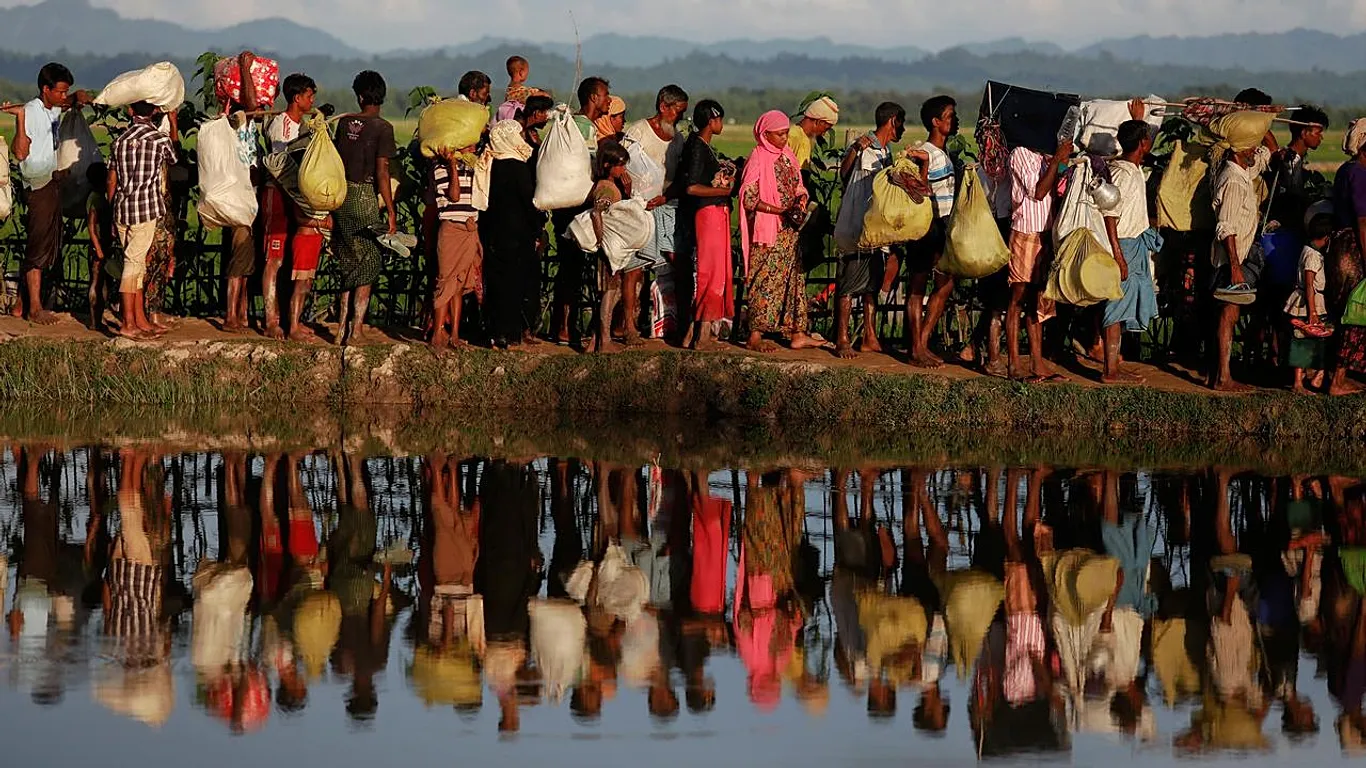
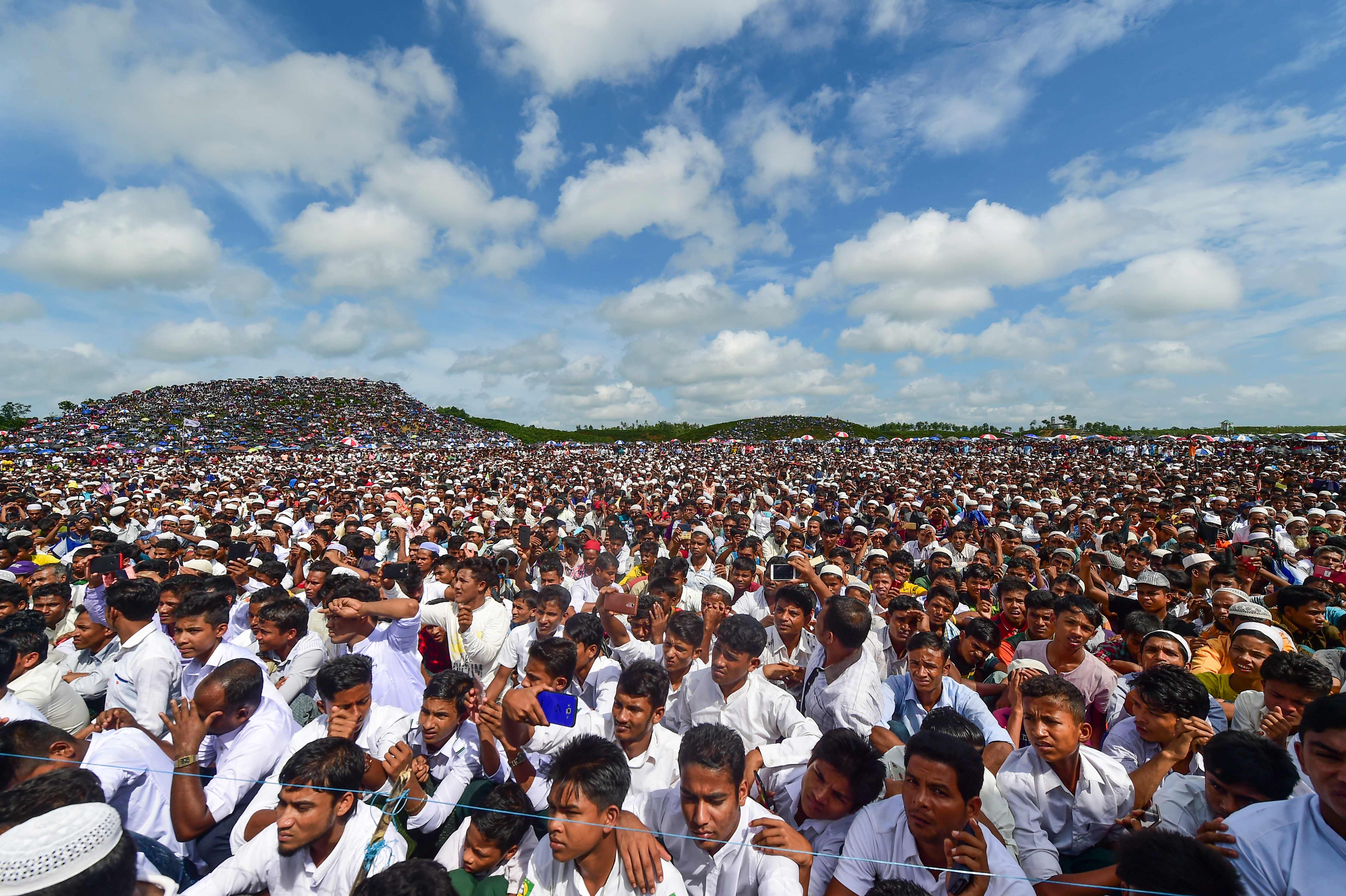
On 25 August, the world marks nine years since hundreds of thousands of Rohingya fled widespread violence and persecution in their homeland and sought refuge in Bangladesh. What began as an emergency has become one of the world's largest and most protracted refugee situations.
Today, around 1.2 million Rohingya refugees remain in Cox's Bazar, including a very large number of children growing up with displacement as their only known reality. Bangladesh has shown extraordinary generosity in hosting Rohingya refugees despite its own economic, environmental and social challenges. Together with humanitarian partners, the Government of Bangladesh has managed one of the world's largest refugee responses under exceptionally difficult circumstances. Yet, as the crisis has become increasingly protracted, international attention has steadily failed to keep pace with the scale of humanitarian needs.
The 2026 Joint Response Plan reflects this reality: the funding appeal has fallen from US$965 million in 2025 to US$710.5 million in 2026, a 26 percent reduction despite growing humanitarian needs and a larger refugee population. Of this, US$610.7 million has been identified as the minimum required to sustain life-saving assistance.
The 2026 Joint Response Plan reflects this reality: the funding appeal has fallen from US$965 million in 2025 to US$710.5 million in 2026, a 26 percent reduction despite growing humanitarian needs and a larger refugee population. Of this, US$610.7 million has been identified as the minimum required to sustain life-saving assistance.
The anniversary therefore comes at a pivotal moment. Conditions back at home are still not conducive to safe, voluntary, dignified and sustainable returns. Security concerns persist inside and around the camps, while opportunities for education, skills development and self-reliance remain severely limited. The challenge is no longer simply to sustain humanitarian assistance, but to ensure that the response evolves to meet the realities of a crisis entering its tenth year.
One of those realities receives far less public attention, yet it shapes nearly every aspect of daily life in the camps: shelter tenure security and access to adequate housing, a critical dimension of housing, land and property protection. After nine years of displacement, providing physical shelter is no longer enough. Families also need some level of tenure security to ensure safe and free access to shelter inside the camps, without having to pay rent or face eviction and exploitation. This, of course, requires fair and predictable systems that determine how shelters are allocated, how housing, land and property disputes are resolved, and how people are protected from eviction, exploitation, the charging of rent and repeated displacement.
When people think of shelter in Cox's Bazar, they often imagine rows of bamboo structures covered with tarpaulins. But protection is also about how shelters are allocated and used, how safe access is maintained, and whether families can remain in their shelters without fear of arbitrary displacement or coercion. In practice, unclear or overlapping arrangements over who can use a shelter or the land around it can leave families vulnerable to disputes and pressure to move.
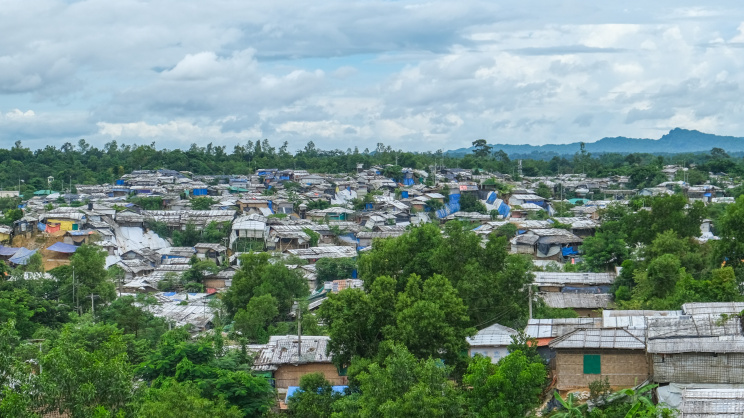
The scale of the issue is increasingly evident. Between January 2025 and June 2026, NRC supported more than 6,700 cases related to housing security, including disputes involving eviction, shelter-use arrangements and relocation.
A recent assessment by our organisation, NRC, identified complex and sometimes overlapping arrangements around the use of land and shelter space. This, however, is rooted in broader land management and land administration issues inside and around the camp areas, including ownership and use rights over land allocated for refugees by some host community members. Together, these findings show that shelter security is not simply a technical or legal concern; it has become a daily protection issue.
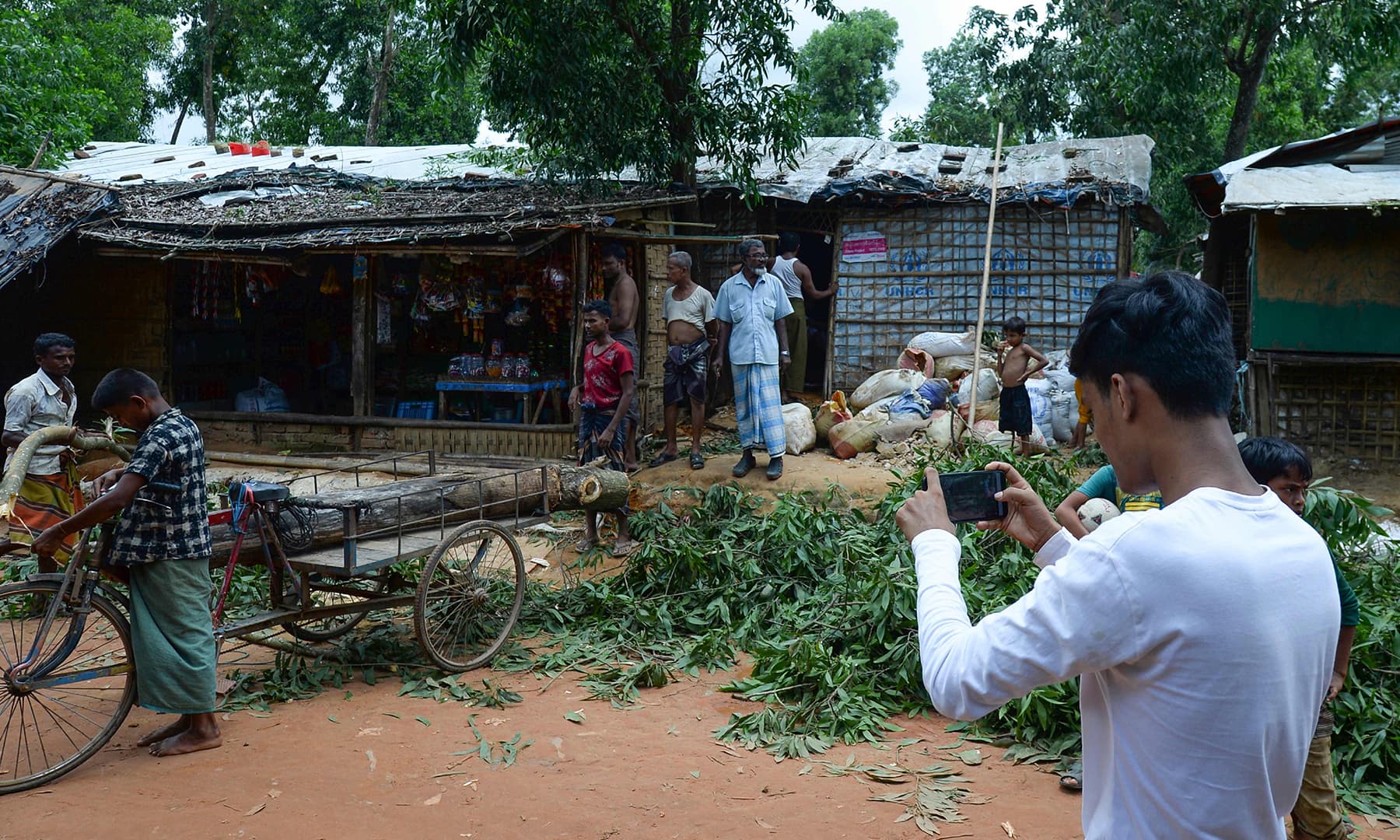
The consequences are deeply personal. One refugee family recently sought assistance after a neighbouring household blocked the only pathway to their shelter, restricting safe access and creating tension within the community. Through mediation, the dispute was peacefully resolved, restoring access and reinforcing trust between neighbours.
Cases like this demonstrate both the challenge and a way forward. Within Bangladesh's existing policy and administrative framework, stronger housing, land and property safeguards can make shelter access more predictable and disputes easier to resolve before they lead to further displacement or protection risks. This means making shelter allocation more transparent, strengthening accessible dispute-resolution mechanisms, and ensuring that women-headed households, older persons, persons with disabilities and other vulnerable families are protected when disputes arise.
For the Rohingya family worried about losing the shelter they call home, protection is not an abstract policy concept. It is the certainty that tomorrow they will still have a place to live, that disputes can be resolved fairly, and that their dignity will be respected even in displacement. Nine years on, providing shelter is no longer enough. We must also ensure that families have fair and predictable ways to keep it.
For donors and humanitarian actors, this also means treating housing, land and property safeguards as a core part of protection rather than as a technical issue addressed only after disputes occur. Investment in mediation, legal information, case management and stronger coordination can help prevent individual shelter disputes from becoming another source of displacement within displacement.
Stronger safeguards must form part of a broader effort to adapt the Rohingya response to the realities of prolonged displacement. Sustained funding remains essential, alongside continued investment in education, protection, disaster preparedness, skills development and support for the Bangladeshi communities that have hosted refugees with remarkable resilience. Above all, renewed diplomatic efforts remain indispensable to creating the conditions for safe, voluntary, dignified and durable solutions for Rohingya refugees.
The ninth year of the Rohingya displacement should not become another annual commemoration marked only by familiar expressions of concern. It should be a moment to ask whether systems designed for an emergency are still fit for a crisis that has lasted nearly a decade.
For the Rohingya family worried about losing the shelter they call home, protection is not an abstract policy concept. It is the certainty that tomorrow they will still have a place to live, that disputes can be resolved fairly, and that their dignity will be respected even in displacement. Nine years on, providing shelter is no longer enough. We must also ensure that families have fair and predictable ways to keep it.
Dipankar Datta is the Country Director of the Norwegian Refugee Council in Bangladesh.
Send your articles for Slow Reads to slowreads@thedailystar.net. Check out our submission guidelines for details.

Documenting Rohingya history / Rohingya repatriation needs more than diplomacy
Myanmar’s partial Rohingya repatriation plan: Another attempt to mislead Bangladesh?

Is Trump’s Gaza peace plan falling apart?

What Japan’s changing Indo-Pacific strategy means for Bangladesh

Can India and Bangladesh build a more equal economic partnership?

Bangladesh First: Rethinking the relationship with India
A new political voice is emerging from the Rohingya diaspora. Why it matters

Bangladesh’s FDI puzzle: Why human capital, not red tape, is the real constraint

Will the Saudi Arabia-Turkiye-Pakistan Makkah Agreement create a new regional security order?