Thirst in the Sundarbans: The water crisis facing Munda women
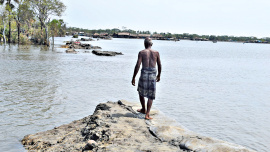
In south-western Bangladesh, freshwater scarcity has reached alarming proportions. Saltwater intrusion driven by rising sea levels, cyclonic storm surges, tidal fluctuations, and unregulated shrimp farming has transformed once-reliable ponds, canals, and shallow tube wells into saline or brackish water sources. In a region where access to freshwater was once taken for granted, safe drinking water is now so scarce that women walk long distances every day to secure a life-sustaining supply.
As researchers at the BRAC Institute of Governance and Development (BIGD), BRAC University, we explored a critical question: How does climate-driven water scarcity reshape the daily lives, health, gendered vulnerabilities, and resilience of indigenous Munda women and girls in the coastal Sundarbans of Bangladesh? The evidence from field visits, community conversations, and available data from Shyamnagar Upazila in Satkhira reveals an uncomfortable truth: the water crisis is not merely environmental; it is profoundly gendered, health-related, and rooted in climatic and human-induced salinity.
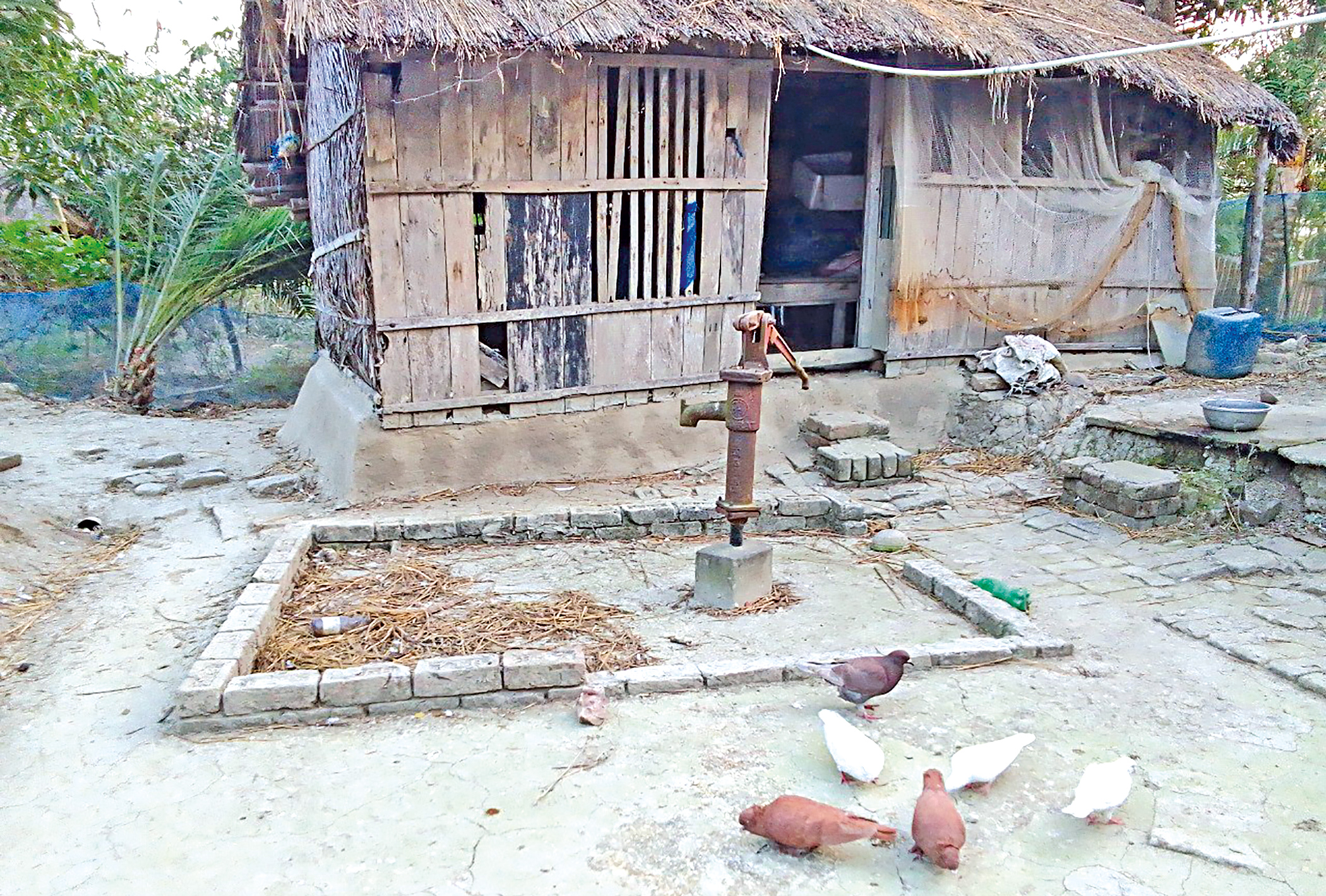
In the Assasuni and Shyamnagar upazilas of Satkhira, a United Nations Development Programme (UNDP) survey found that about 73 percent of residents consume unsafe saline water, often with salinity levels exceeding 1,000 mg per litre—far above the national and World Health Organisation-recommended limits for potable water. In many ponds and shallow wells, salinity has been measured at between 1,427 and 2,406 mg per litre. In some tube wells in parts of Satkhira, salinity has soared to 6,600 mg per litre, rendering the water undrinkable without treatment. These figures not only indicate a public health crisis but also point towards an emerging humanitarian issue that disproportionately affects women and children.
For the Munda community, comprising approximately 450 families across 22 villages in Shyamnagar Upazila, these salinity levels have recast the meaning of daily life. Historically, local ponds, canals, and groundwater served as primary freshwater sources. Women and men alike drew water close to their homesteads, and community life revolved around these vital resources. But as saltwater has pushed inland, these dependable sources have either disappeared or become too saline for safe use. Families now rely on distant freshwater sources or must purchase water from the market, a daily expense that many cannot afford to sustain.
Among the Mundas, the phrase "water is life" is more than a proverb—it is a lived reality. Without freshwater, households cannot cook, bathe, wash clothes, or maintain hygiene. Water scarcity affects every facet of existence: health, nutrition, education, work, and the dignity of daily living. Even the simplest acts, such as making tea, washing dishes, or bathing a child, become fraught with physical exertion and risk.
Beyond water, there is nothing
Among the Mundas, the phrase "water is life" is more than a proverb—it is a lived reality. Without freshwater, households cannot cook, bathe, wash clothes, or maintain hygiene. Water scarcity affects every facet of existence: health, nutrition, education, work, and the dignity of daily living. Even the simplest acts, such as making tea, washing dishes, or bathing a child, become fraught with physical exertion and risk.
Yet the idea that water is life belies a harsher truth: when safe water is absent, life itself becomes a daily burden rather than a source of meaning, opportunity, and hope.
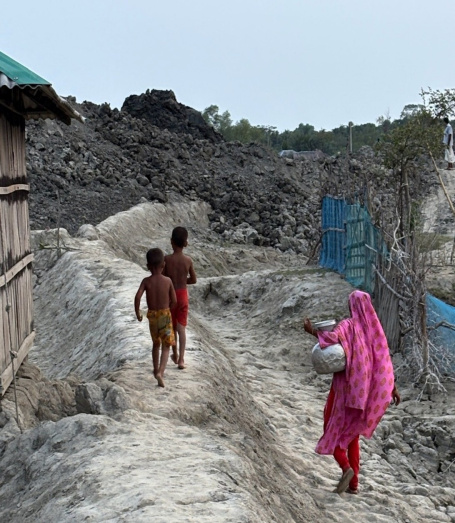
Women and girls bear the heaviest brunt of this reality. In many Munda households, both men and women work outside the home to sustain livelihoods. But the responsibility for securing water—often the most time-consuming and physically demanding task—falls overwhelmingly on women and adolescent girls. During the dry season, when ponds either dry up or become too saline to use, women walk long distances, sometimes three to four kilometres each way, along narrow embankments or muddy, uneven terrain to carry water back to their homes.
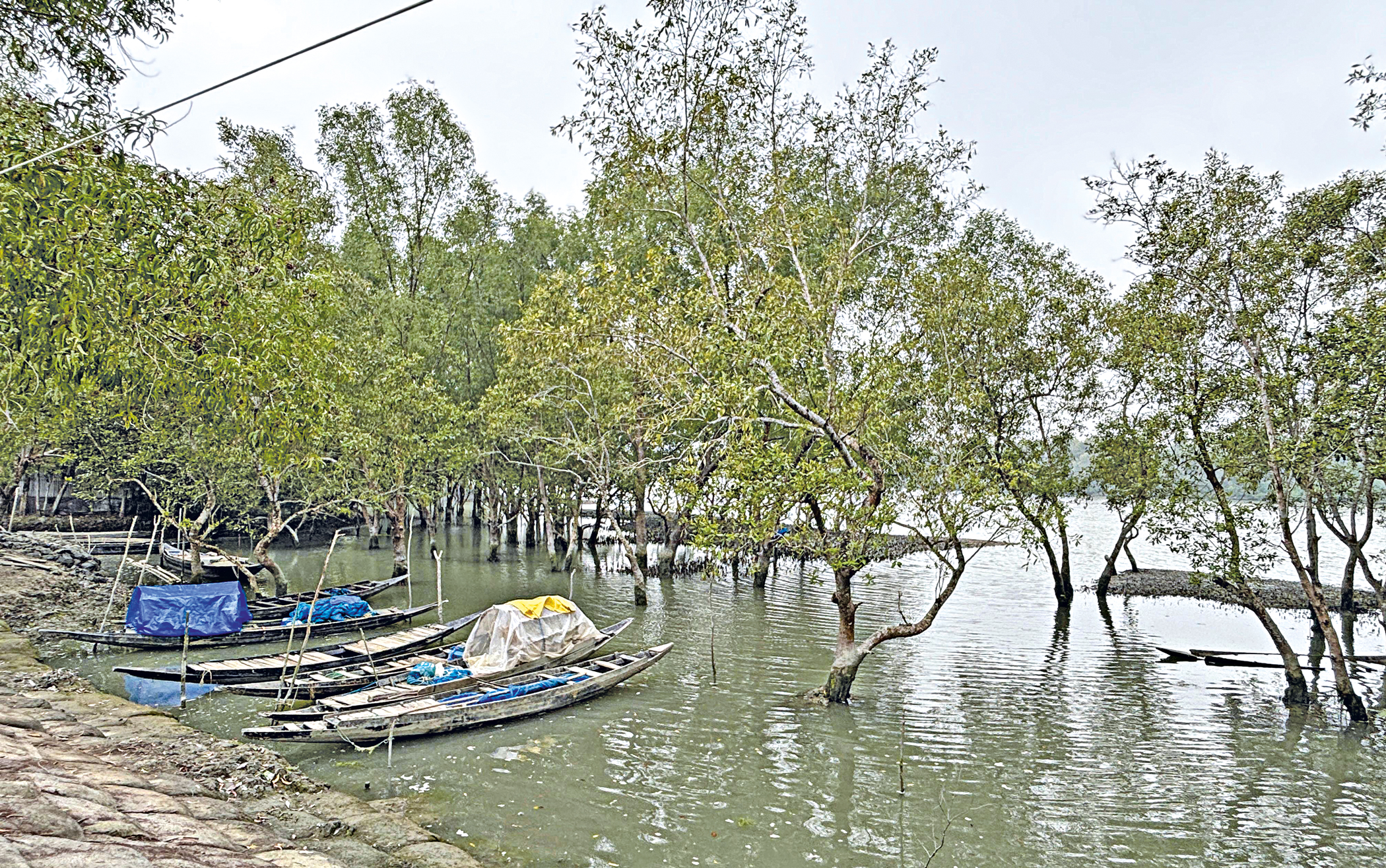
This is not a seasonal chore; for many participants in our study, it is a half-year reality. A recurring refrain during interviews was, "We live with water scarcity for nearly six months each year, getting temporary relief only when heavy rains refill ponds and allow rainwater harvesting."
A day in the life: Women carrying water in Gabura and Vetkhali
In Gabura Union, local officials reported that 11 out of 15 villages face severe drinking water shortages, and many tube wells no longer produce freshwater because the shallow aquifer has become saline. Women there routinely rise before dawn to begin their water-collection journeys.
Take the case of Rina Munda, a mother of five. Sunrise finds her walking barefoot along a muddy embankment, a water container balanced on her head. After an hour's walk, she reaches a distant freshwater source that is still usable. But because many others come to the same source, long queues are common. By the time Rina returns home, often more than two hours have passed, and she must start over to collect more water for cooking and washing.
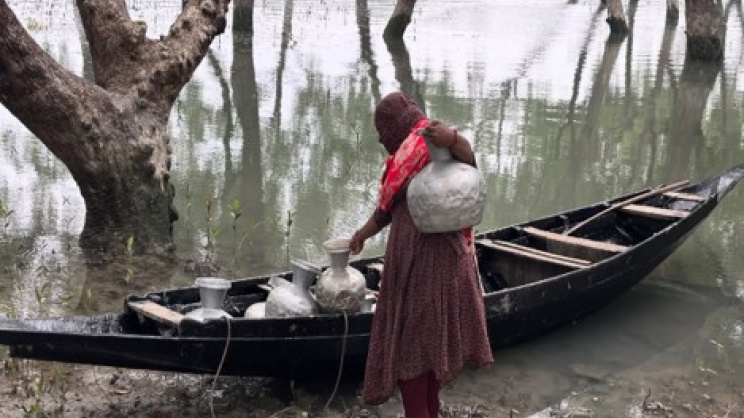
She says, "When the pond near our home was fresh, we could finish water chores before midday. Now, by the time I've carried enough water for today, the sun is near its peak, and my body aches."
Rina's story is not unique. Women across Vetkhali, Gabura, and other villages report similar fatigue, stress, and physical strain. Some reported back pain, swelling in their arms from carrying heavy loads, and frequent headaches. Others described episodes of dizziness caused by heat exposure during long walks.
Limited solutions, persistent burdens
Efforts to respond to the water crisis do exist. Government agencies and humanitarian organisations have introduced interventions such as rainwater-harvesting systems, filtration units, and deep tube wells. NGOs such as WaterAid, Caritas Bangladesh, and local partners have installed community rainwater tanks and filtration units in several Munda villages. One positive example is an underground rainwater-harvesting system with a 65,000-litre capacity, constructed for selected communities to ensure a more reliable water supply during the dry months.
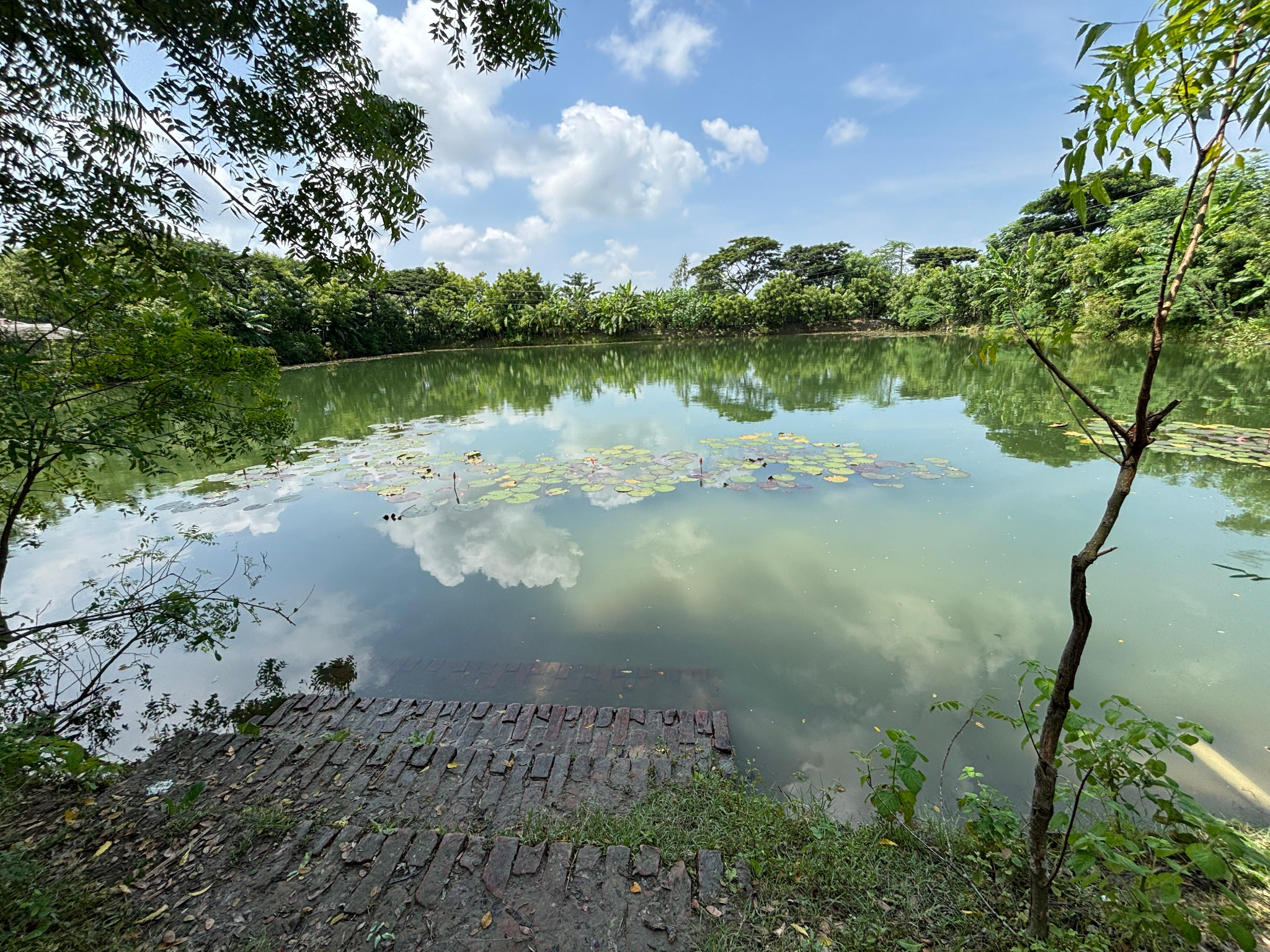
However, these solutions remain limited in scale and scope. Many interventions lack the capacity to meet year-round needs. Deep tube wells often fail to tap into uncontaminated aquifers because deeper freshwater layers are also becoming salinised. Rainwater-harvesting tanks provide seasonal relief but are insufficient without larger storage capacity and adequate maintenance support.
Furthermore, decision-making around water infrastructure often excludes the voices of women and indigenous groups. Without community participation, especially by those most affected, water solutions risk being technically sound but socially unsuitable.
Women and girls bear the heaviest brunt of this reality. In many Munda households, both men and women work outside the home to sustain livelihoods. But the responsibility for securing water—often the most time-consuming and physically demanding task—falls overwhelmingly on women and adolescent girls. During the dry season, when ponds either dry up or become too saline to use, women walk long distances, sometimes three to four kilometres each way, along narrow embankments or muddy, uneven terrain to carry water back to their homes.
Gendered climate justice: A call for evidence-based action
The water crisis facing the Mundas exposes a stark reality of climate injustice: the communities that have contributed least to global greenhouse gas emissions bear some of the most severe consequences. Bangladesh's coastal populations, responsible for only a fraction of global emissions, are experiencing the daily struggles of climate impacts first-hand. Women, in particular, endure the physical, economic, and health costs of water scarcity that others rarely see.
Addressing this crisis requires targeted, evidence-based solutions that are participatory, climate-responsive, and gender-inclusive:
• Expand community water systems that are climate-resilient, including rainwater harvesting, freshwater storage, and filtration units designed with women's input.
• Prioritise women's voices in water governance, ensuring that those who fetch water daily are central to planning and decision-making.
• Invest in infrastructure that secures year-round access to safe water, such as larger rainwater reservoirs and protected community water sources.
• Provide financial support or subsidies for landless households to offset water-purchasing costs during severe dry periods.
• Embed gender and indigenous perspectives in climate adaptation policies, recognising that solutions must be socially and culturally appropriate, not just technically feasible.
Water is life—without it, nothing else matters
In the coastal villages of Satkhira, climate change is not an abstract concept discussed in distant forums. It is the daily reality of women walking miles with heavy water containers, the anxiety of mothers who worry about their children's health, and the fear that safe water might not be found that day. Here, water is life, and when safe water disappears, life itself becomes a burden.
For communities like the Mundas, climate justice begins with ensuring basic access to clean, safe drinking water. It means acknowledging that the struggle for water touches every aspect of human life—health, dignity, opportunity, and hope. It means placing women's lived experiences at the heart of solutions and building a future where survival is not measured by the length of a daily walk for water but by the fullness of life that water enables.
Md. Al-Mamun is a Research Associate at the BRAC Institute of Governance and Development (BIGD), BRAC University. He can be reached at md.mamun@bracu.ac.bd.
Marufa Alam is a Lecturer in the Department of Public and Community Health at Frontier University, Garowe, Somalia. She can be reached at marufa@frontier.edu.so.
Send your articles for Slow Reads to slowreads@thedailystar.net. Check out our submission guidelines for details.

Which female-dominated jobs are actually the most exposed to AI?
What remains of Bangladesh's fading ethnic traditions
Good intentions are not enough: Why Bangladesh should rethink orphanages
Are we eating microplastics with our fish?
The invisible Mintis of Karwan Bazar
Republic of the footpath

The dreams of girls in a Bangladesh river char
Can Bangladesh bring back the Chakaria Sundarbans?

Who protects women in Bangladesh's gig economy?