


IPL 2026 sets new benchmark: 200-plus totals no longer safe
IPL 2026 has redefined the art of the chase, with 200-plus totals no longer carrying the intimidation they once did. According to data from ESPNcricinfo, teams crossed the 200-run mark 39 times in the first 48 matches this season -- 12 more than at the same stage in IPL 2025.
What has stood out even more is the success rate of teams batting second. In 23 matches involving 200-plus targets, chasing sides have won 12 and lost 11, a dramatic turnaround from last season’s 4-13 record at the same stage. Even targets above 220 have proved vulnerable, with eight successful chases in 13 attempts.

The aggressive approach in the Powerplay has been central to this shift. Teams chasing 200-plus totals have scored at an average rate of 11.78 in the first six overs, while successful chases have seen that figure soar to 13.81. On average, winning teams have completed more than 37% of the chase inside the Powerplay itself.
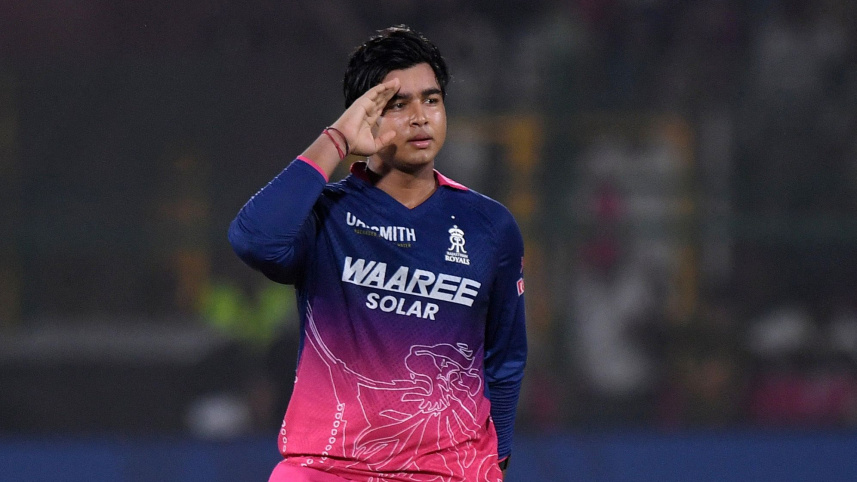
One of the defining moments came in Guwahati, where Vaibhav Sooryavanshi blasted a 26-ball 78 to help Rajasthan Royals race to 97 for 1 in pursuit of 202 against Royal Challengers Bengaluru. Another remarkable effort came when Punjab Kings chased down 265 against Delhi Capitals.
By the halfway stage, chasing teams had scored at least 50% of the target in 10 of the 12 successful pursuits, often with wickets in hand. Only three of those chases extended into the 20th over, underlining the dominance of batting sides this season.
The campaign began with a statement performance from RCB, who hunted down 202 against Sunrisers Hyderabad in just 15.4 overs — the fastest successful chase of a 200-plus target in IPL history.
While there have been some heavy defeats for teams batting second, including commanding wins for Chennai Super Kings and Mumbai Indians, the overall trend points to a clear transformation in T20 batting.
In all previous IPL seasons combined, teams had successfully chased 220-plus targets only five times. IPL 2026 alone has already produced eight such chases in just 48 matches — a striking indication of how rapidly batting benchmarks continue to evolve.
 For all latest news, follow The Daily Star's Google News channel.
Comments