


From Estevao to Joao Pedro: 10 young players who could shape Brazil’s 2030 mission
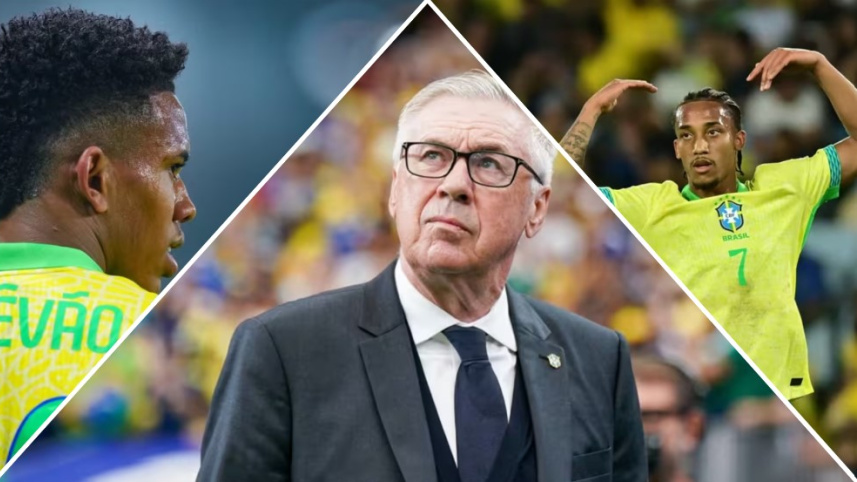
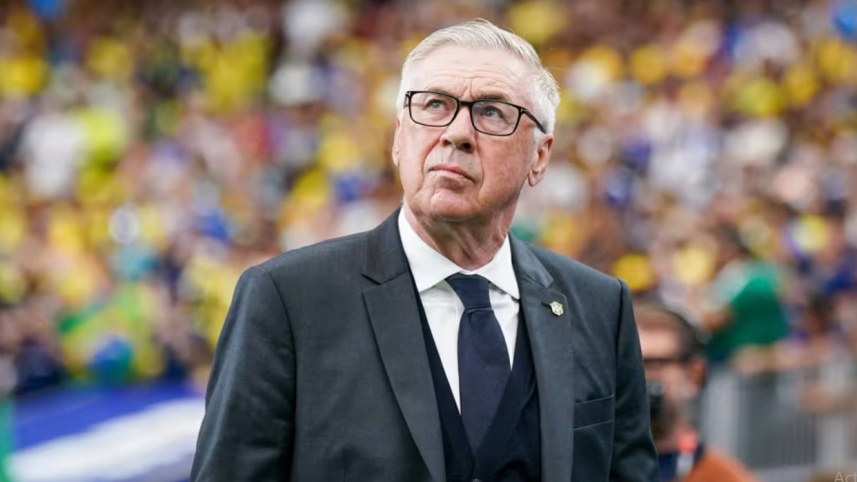
Brazil will begin their new cycle with three friendlies in September and October, as Carlo Ancelotti starts reshaping the five-time world champions with one eye firmly on the FIFA World Cup 2030.
The Selecao will face Australia in Townsville on September 25 before travelling to Brisbane for another meeting with the Socceroos on September 29. Their next assignment will come on October 3, when they take on India in Kolkata.

The fixtures mark the start of a rebuilding process after Brazil's disappointing FIFA World Cup 2026 campaign.
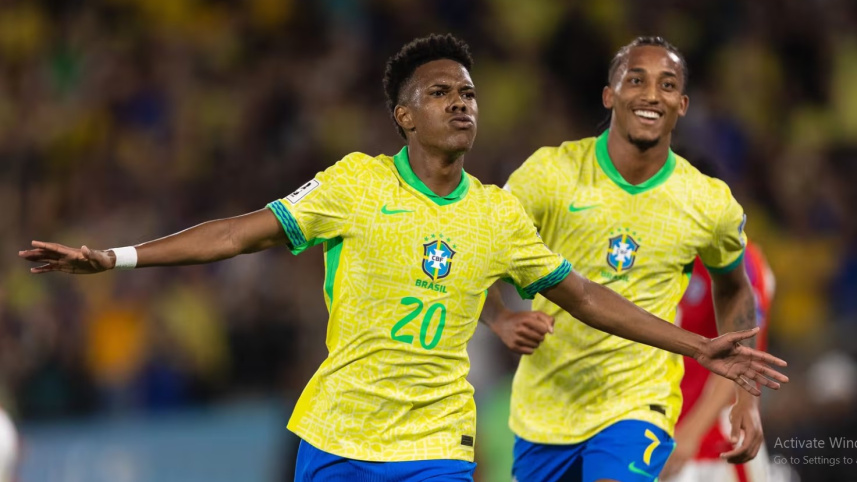
Brazil were eliminated from this year's World Cup following a 2-1 defeat by Norway on Sunday, the first time they have failed to reach the quarterfinals since 1990.
With the disappointment still fresh, attention has already turned towards 2030 and Brazil's bid for a sixth world title.
As Ancelotti's Selecao revamp gets under way, FIFA has picked out 10 players aged 25 or under who missed out on Brazil's World Cup squad but have already been capped at senior level and could play a major role in the next cycle.
From Estevao and Joao Pedro in attack to Wesley and Vitor Reis in defence, and Andrey Santos and Joao Gomes in midfield, a group of young talents who could help shape Brazil's rebuild ahead of the 2030 tournament.
Estevao
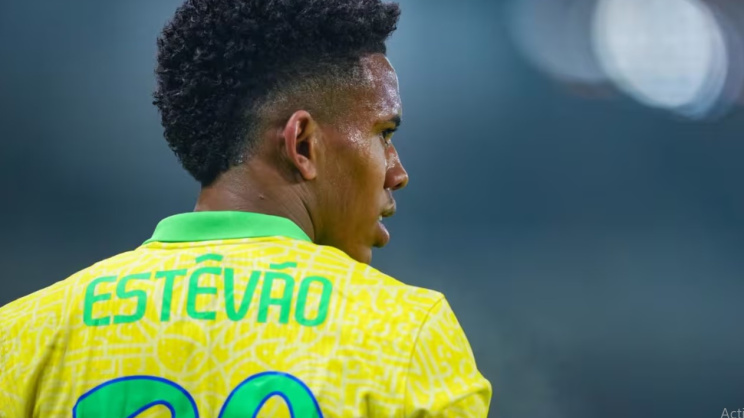
At just 19, Estevao has already become an important part of Ancelotti's plans.
The skilful right-winger was ruled out of the 2026 World Cup with a hamstring injury, but his age and technical ability mean he remains one of Brazil's brightest prospects.
Estevao can also operate centrally, having often played there during his youth career, giving Ancelotti another option as he builds his new-look side.
With more opportunities expected at Chelsea, either on the wing or as a playmaker, his international role could grow rapidly. He has already scored five goals in 11 appearances for Brazil.
Vitor Reis
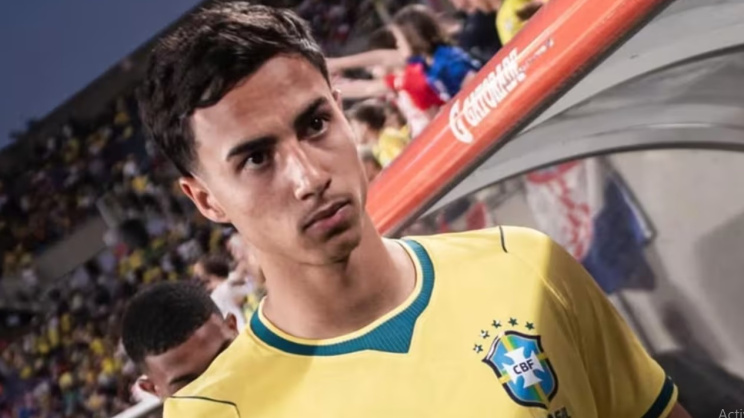
Vitor Reis impressed during his loan spell at Girona, despite the club suffering relegation from La Liga last season.
The 20-year-old centre-half has since returned to Manchester City and will hope to establish himself in their first team.
Reis was called up for Brazil's friendly against Croatia in March and was included in Ancelotti's 55-man provisional squad for the World Cup.
Brazil's leading young centre-half could now become a key figure as the national side looks to rebuild its defence.
Kaiki Bruno
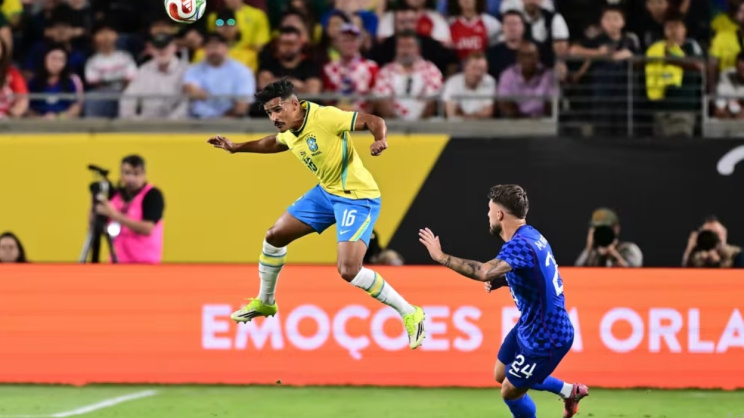
Kaiki Bruno forced his way into the Brazil picture after an impressive spell with Cruzeiro in the Campeonato Brasileiro Serie A.
The 23-year-old left-back was called up for the March friendlies and came off the bench for the final 14 minutes against Croatia, but ultimately missed out on the World Cup squad.
 For all latest news, follow The Daily Star's Google News channel.
 His next challenge will come in Italy, where he will spend the season on loan at Como under Cesc Fabregas, gaining experience in Serie A and the UEFA Champions League.
Kaiki is one of Brazil's finest young options at a position where the Seleção currently lack depth. More accomplished defensively than many of his predecessors, he now has an opportunity to develop his attacking game in Italy.
If he can add that extra dimension, he could put himself in contention to succeed legendary Brazilian left-backs Roberto Carlos and Marcelo.
Wesley
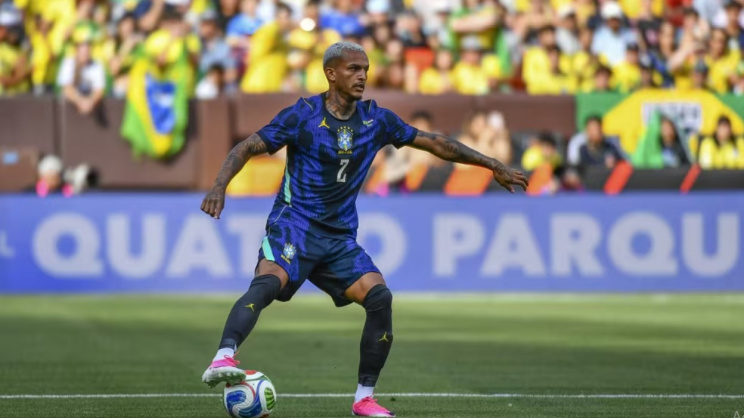
Wesley was a regular under Ancelotti before injury cruelly ended his World Cup hopes.
The 22-year-old picked up an injury in Brazil's final warm-up match before the tournament and was forced to withdraw from the squad.
He is expected to be a sure-fire starter as the new cycle begins and is already viewed as a strong candidate to be Brazil's first choice in his position by 2030.
Wesley has been operating on the left side of midfield for Roma, but his preferred position is right-back, where his attacking instincts make him particularly effective.
Capped eight times since 2025, he has emerged as one of Brazil's most important tactical assets.
Andrey Santos
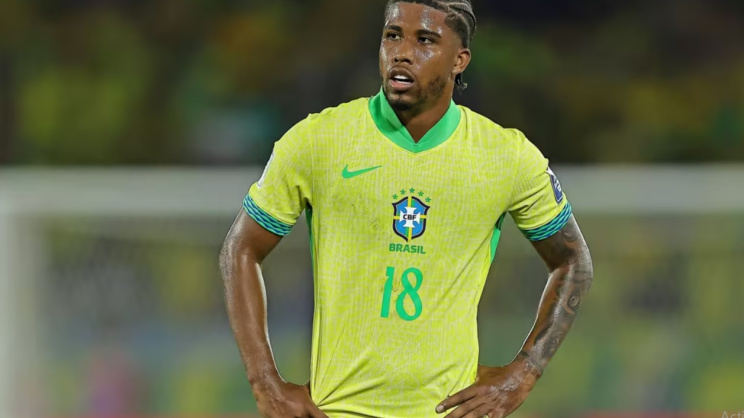
Andrey Santos collected a handful of Brazil caps under different coaches in the build-up to the 2026 World Cup, but slipped down the pecking order as the tournament approached.
A lack of playing time at Chelsea was a major factor.
Now one of Manchester United's latest acquisitions, the 22-year-old midfielder offers a combination Brazil badly need.
Santos is a classy box-to-box player with the physicality of a defender and the ball-playing ability of a No10. He has six senior appearances for Brazil and has featured regularly for his country at every age level from U-15 upwards.
Joao Pedro
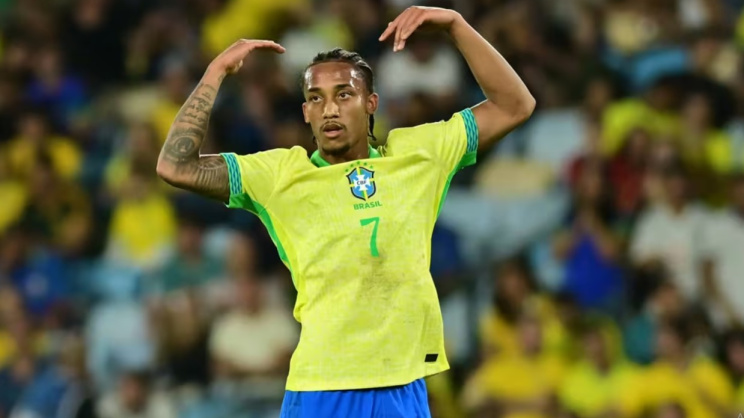
Joao Pedro was one of the most surprising omissions from Ancelotti's final World Cup squad.
The 24-year-old had enjoyed an excellent debut season with Chelsea, scoring 20 goals in all competitions, including 15 in the Premier League.
He added another three goals in three FIFA Club World Cup 2025™ appearances as Chelsea lifted the trophy.
Although he has yet to score for Brazil in eight appearances, more opportunities should come his way in the new cycle.
Joao Pedro is regarded as one of the Seleção's most exciting forwards and offers more than simply finishing. His ability to create chances for team-mates could make him an integral part of Ancelotti's plans.
Joao Gomes
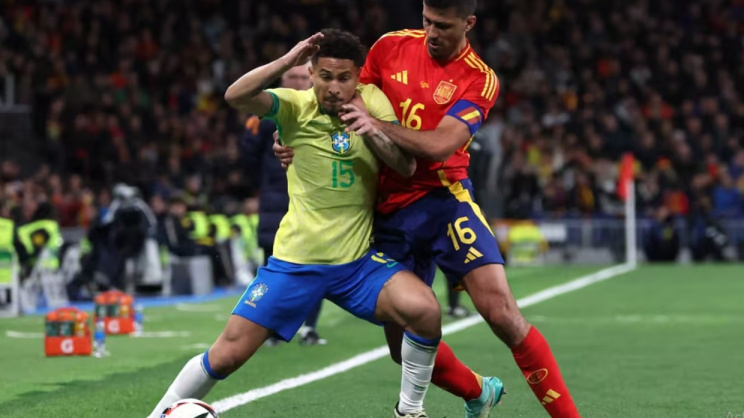
Joao Gomes has already established himself at the highest level of English football after three full Premier League seasons.
The 25-year-old was one of the few players to maintain his reputation during Wolves' relegation from the top flight. His next chapter will come with new employers Aston Villa.
A dynamic, all-action midfielder, Gomes combines defensive strength with the ability to push forward — qualities that could make him an ideal building block for Brazil's midfield.
He has earned ten caps since making his debut in 2024, although his form and circumstances saw him fade from World Cup contention during the final few months before the tournament.
Kaio Jorge
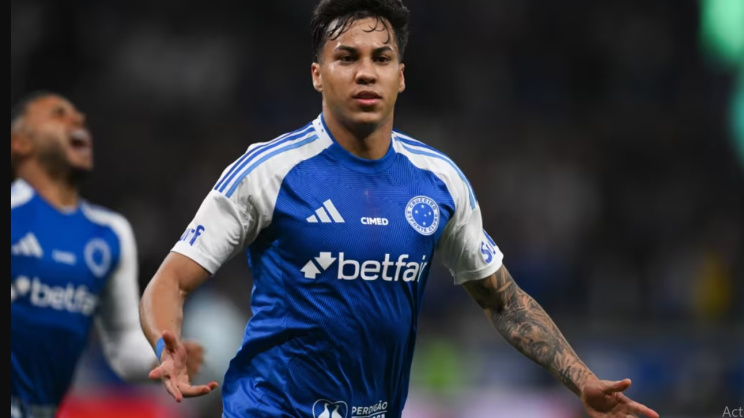
Kaio Jorge enters the new cycle with one of the strongest domestic credentials among Brazil's young forwards.
The Cruzeiro striker was the leading goalscorer in the 2025 Campeonato Brasileiro Serie A and has one senior cap to his name.
His only appearance came as a 71st-minute substitute against Chile in a FIFA World Cup 2026 qualifier.
That was enough to convince Ancelotti to include him in his provisional 55-man squad, underlining the coach's interest in the 24-year-old.
Kaio is a mobile and tactically intelligent forward who can play as an out-and-out striker or a false nine. He is also an energetic presser and willing to contribute defensively.
Those qualities, combined with his age, should ensure further opportunities with Brazil.
Vitor Roque
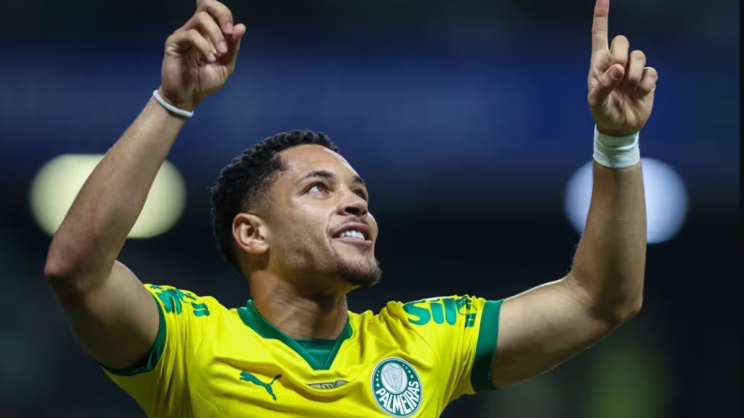
Vitor Roque may already have the statistics of a seasoned veteran, but he will still be only 25 when the 2030 World Cup arrives.
The Palmeiras forward broke through at Athletico Paranaense before earning a move to Barcelona. His time in Spain failed to produce the expected impact, and he was subsequently loaned to Real Betis before returning to Brazil.
Since then, Roque has rediscovered his goalscoring touch.
An injury kept him out of the 2026 World Cup, but his performances for one of South America's biggest clubs should put him back on Ancelotti's radar.
His Brazil career remains in its infancy, with just two appearances so far — a friendly against Morocco in 2023 and another against Tunisia last November.
Igor Jesus
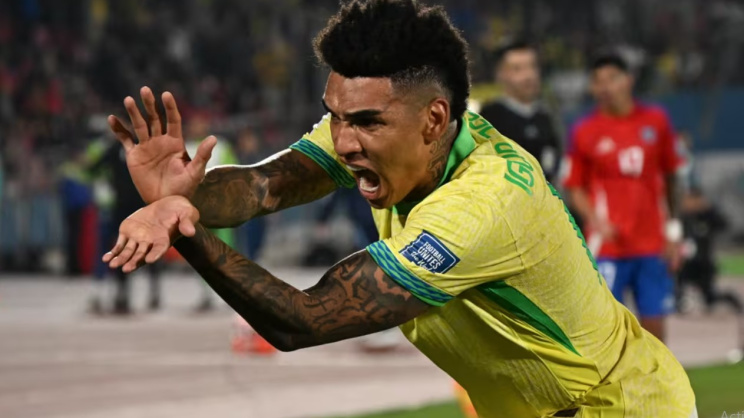
Igor Jesus was once a regular starter for Brazil, featuring in four World Cup 2026 qualifiers in late 2024 while still playing for Botafogo.
His international opportunities have become much more limited since moving to Nottingham Forest. He has played only ten minutes for Brazil since the transfer, coming in a friendly under Ancelotti.
But the 25-year-old remains a player with plenty to offer.
An imposing presence in attack, Igor Jesus also possesses considerable technical ability. He scored 16 goals in his first season with Nottingham Forest, including seven in the UEFA Europa League, where he established himself as a regular starter.
With the new Brazil cycle now beginning, there is every reason for the forward to believe his international opportunity has not passed him by.
Brazil's 11th-place finish in 2026 underlined the scale of the challenge. But the Selecao also have a group of young, already-capped players ready to fight their way back into contention. If those players can fulfil their potential over the next four years, Brazil could arrive at the 2030 World Cup with the foundations of a new side — and another opportunity to chase that elusive sixth star.
Comments