


Argentina and the curse of comfort
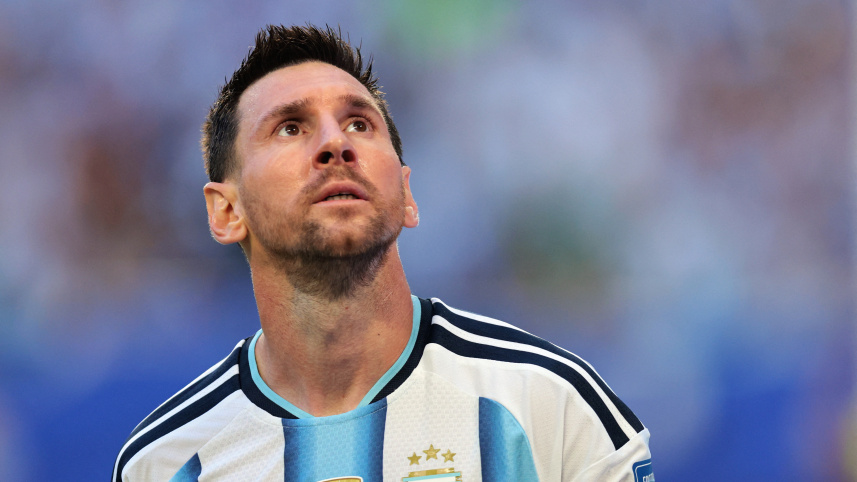
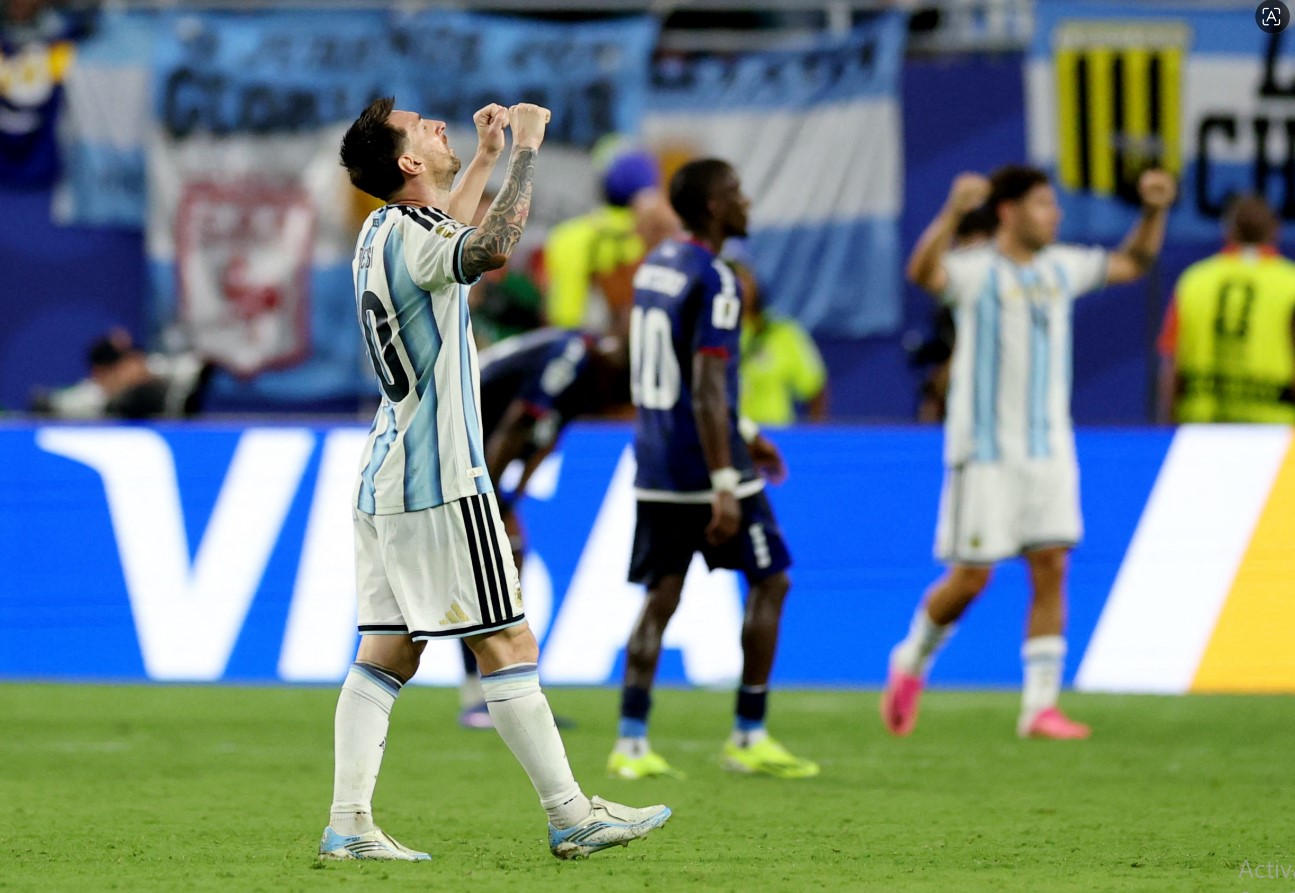
Lionel Messi looked to the sky, fists clenched, as Argentina’s Round of 32 clash against Cape Verde in Miami on Saturday came to an end. There had been tears in his eyes just a few minutes earlier. Messi’s reaction was not merely one of relief washing over him but that of a survivor emerging from great turmoil. The Blue Sharks had awakened a fear Argentina did not know still existed within them.

Few who watched Cape Verde’s attempt to topple the world champions will forget what they witnessed. The smallest nation in the Round of 32 took the fight to the masters of survival in World Cups in what turned out be an exhausting battle for Messi and Co. What is a World Cup if not a collection of stories to remember? In its madness, where dreams, fairy tales and reality collide, Argentina versus Cape Verde carved out its own place among them.
If fairy tale sounds too gentle, perhaps this was closer to Steven Spielberg's Jaws.
After a relatively quiet opening 20 minutes, Messi's touch of genius produced Argentina's first goal. It looked like the beginning of another routine victory. Instead, it merely lured the defending champions into believing the danger had passed.
Cape Verde, an island nation whose squad is built largely from diaspora communities, entered the contest like a challenger climbing into the boxing ring with nothing to lose. Every punch they landed carried conviction. Every attack reinforced the belief that fairy tales occasionally refuse to obey logic. Their confidence first revealed itself through goalkeeper Josimar Vozinha. Bringing the ball down with his feet rather than his hands inside his own penalty area, he played with the composure of a side that had already convinced itself the impossible belonged within reach.
Perhaps they had every reason to believe. Vozinha had already helped hold Spain to a 0-0 draw. Cape Verde had then drawn Uruguay and Saudi Arabia to reach the knockout round. Their journey had already become one of the World Cup's great fairy tales. Against Argentina, however, the story threatened to become something else entirely.
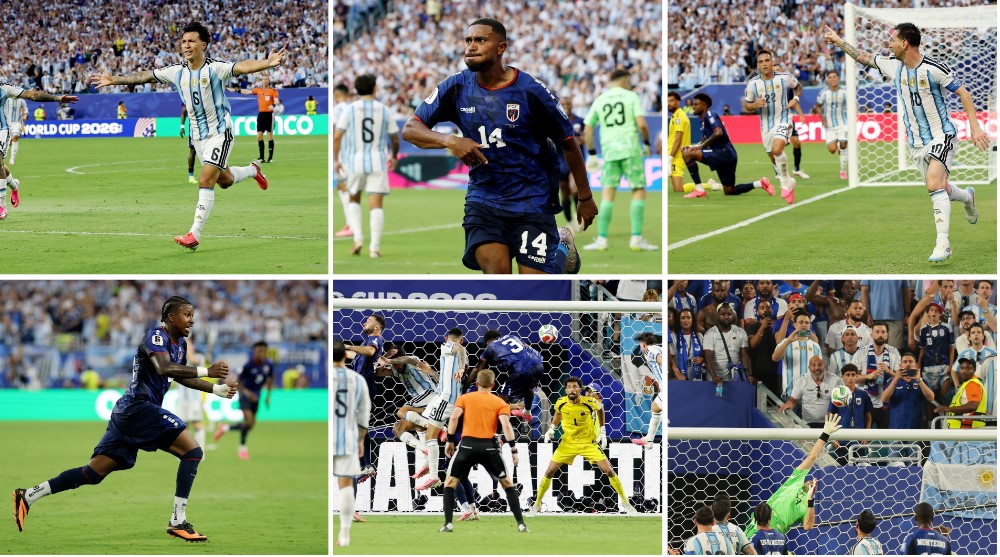
The defending champions had seemingly decided to manage the game after Messi's opener. There was little width, little urgency, only sterile possession against Cape Verde's disciplined block. As Argentina settled into comfort, the Blue Sharks slowly circled.
With complacency creeping in, Lisandro Martinez did not even close down Deroy Duarte, who equalised in the 59th minute. Suddenly, Jaws was no longer just a metaphor. Every Argentine touch seemed to invite another attack. Every Cape Verde surge carried the threat of another bite. In the humid Miami night, Argentina looked less like world champions than swimmers unable to see what lurked beneath the surface as the game was forced into extra-time after it finished 1-1.
Despite Argentina's reputation as masters of survival, if the conditions were draining, it was fear that exhausted them most. Across all World Cups, they have won 10 of the 12 matches that went beyond 90 minutes, earning four victories before penalties and six more through shootouts. Yet reputation can quickly become meaningless when fear takes hold. Lisandro perhaps understood that, producing a striker's finish just two minutes into extra time, only for Cape Verde to restore parity through an otherworldly strike from Lopes Cabral 10 minutes later. The Blue Sharks moved the ball with increasing speed, and it became obvious they possessed more energy. Enzo Fernandez looked desperate to come off, but Lionel Scaloni denied him that escape.
Every attack sent another chill through the defending champions. When Cristian Romero's header from Messi's corner took a deflection off Cape Verde centre-back Diney and crept in to make it 3-2, Argentina were too exhausted even to celebrate properly. Messi had tears in his eyes. The battle itself felt almost impossible to comprehend. The supporters cried too at the final whistle -- not in celebration, but in release. It was as though they had collectively stared into a fear they believed had disappeared forever. Around them, Argentine players collapsed to their knees. Others simply lay on the turf, completely spent.
That fear recalled another story. In The Dark Knight Rises from Christopher Nolan's Batman series, Bane confronts The Batman after years of peace, saying: "Peace has cost you your strength. Victory has defeated you."
The line could easily have been directed at Argentina.
Champions of the world in 2022 and Copa America winners in 2024, Argentina had arrived at this World Cup having faced few genuine storms. Their sternest examinations before the tournament came against Brazil and Colombia in World Cup qualifying. They had gone so long without truly confronting vulnerability that they had almost forgotten what it felt like. But Cape Verde reminded them.
Albiceleste rediscovered memories of Australia, the Netherlands and ultimately that extraordinary final against France four years earlier. Against Cape Verde, Argentina found just enough of that old resilience to survive once again. Whether they can summon it again against Egypt on Tuesday remains another question.
Argentina have always known how to survive. That instinct carried them to the World Cup in 2022. Fear, however, had become unfamiliar. Cape Verde forced them to confront it again. Like Batman climbing from the pit, the question is no longer whether Argentina are champions. It is whether remembering fear will ultimately make them stronger or leave them too bruised to continue.
Even Messi carries a physical reminder of the ordeal, a bump on his forehead.
"What doesn't kill you makes you stronger" -- the maxim of German philosopher Friedrich Nietzsche, later echoed through another of Christopher Nolan's Batman villains -- has rarely felt more appropriate.
Whether Cape Verde have reawakened Argentina or merely wounded them will define the defending champions' World Cup.
 For all latest news, follow The Daily Star's Google News channel.
Comments