


Defying the dying light
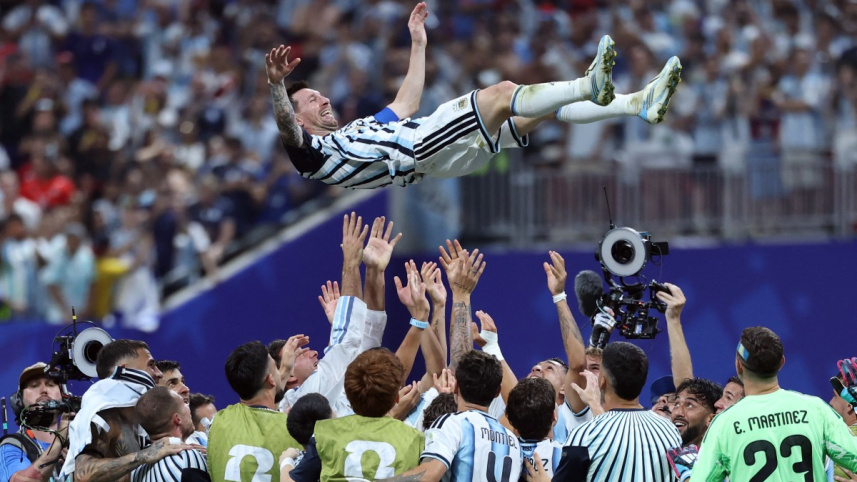
There is a recurring trope in classical mythology and historical lore: the ageing monarch, physically battered and isolated, standing before an impossible wall, refusing to let his empire collapse on a whimpering note. We see it in the final stands of ancient Roman generals, or in fiction with J.R.R. Tolkien’s Aragorn, turning to face the gathering darkness when all logic dictates the battle is already lost. For nearly eighty minutes at Atlanta’s Mercedes-Benz Stadium on Tuesday, Lionel Messi was that isolated king, staring directly into the footballing abyss. His final dance on the grandest stage could not end like this, not in a paralysing surrender to an inspired Egyptian vanguard.
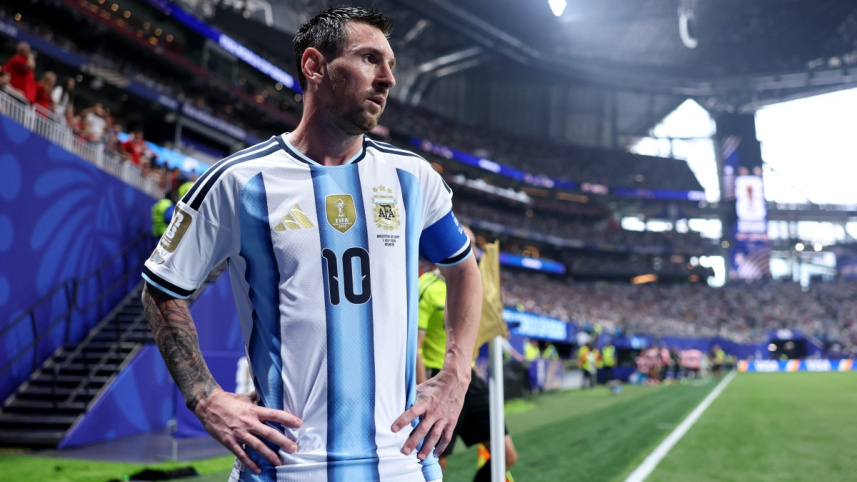
When the great No. 10 missed his second penalty of the tournament in the first half, he appeared a pale impersonation of himself. The Albiceleste vanguard seemed trapped in an awkward standstill, completely missing their characteristic spark, while Egypt, methodically identifying the inevitable 'brain freeze' phases of the Argentine defence, prepared to claim the ultimate scalp.

Even after Mostafa Zico capitalised on a vulnerable Argentine backline to slot in Egypt’s second goal in the 67th minute from just their second shot on target, the defending champions looked completely devoid of ideas, strength and chemistry. It felt like a continuation of the sluggishness witnessed against Cape Verde, a physical and mental hangover visibly manifested by the prominent lump on Messi's forehead from the previous round.
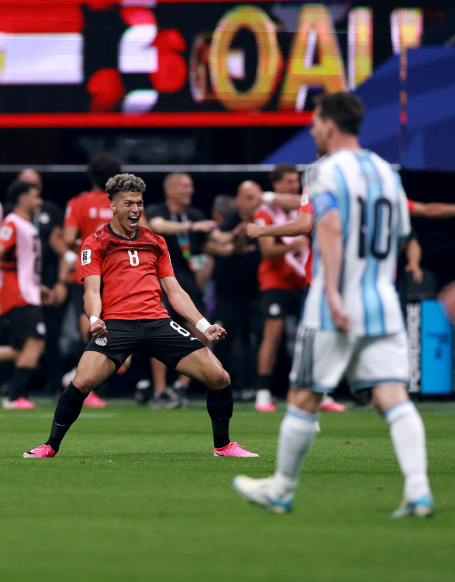
But fate in sports is often dictated by the sudden, furious awakening of a protagonist who simply refuses to accept his written ending.
From 2-0 down and almost down and out, what followed was fourteen minutes of sheer, table-flipping defiance. Argentina finally woke up from their slumber and remembered that their collective identity is bound to the destiny of their captain. Messi, meanwhile, found a sudden spring in his steps, transforming from a labouring veteran into a predatory force.
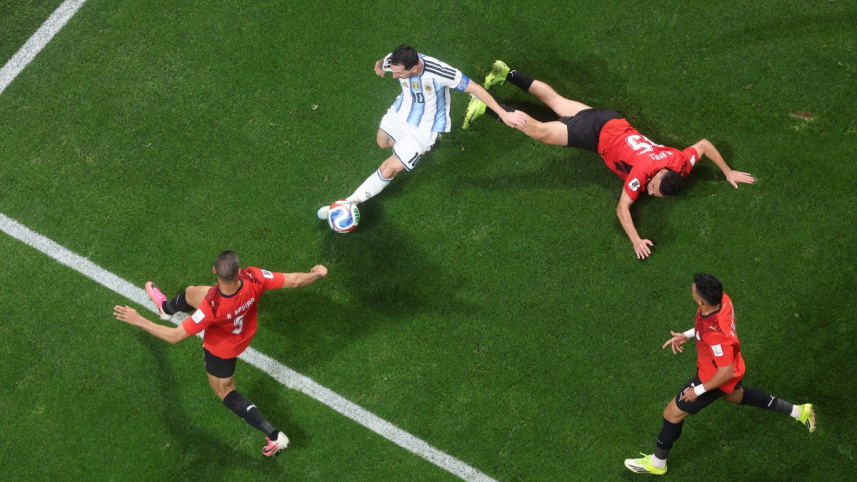
A hero's journey, however, is never entirely a solo endeavour. The king required his vanguard to shake off their lethargy, and Lionel Scaloni’s crucial introduction of three fresh pairs of legs provided the vital oxygen the team desperately needed to turn the tide. Even on a rare off-day where his radar felt misaligned, Messi’s sheer will dragged his countrymen with him.
In the 79th minute, a pinpoint Messi cross found the rising head of centre-back Cristian Romero to offer a lifeline. Four minutes later, the script was rewritten entirely when the maestro volleyed home a superb equaliser -- his eighth of the campaign -- to send the stadium into unbridled chaos.
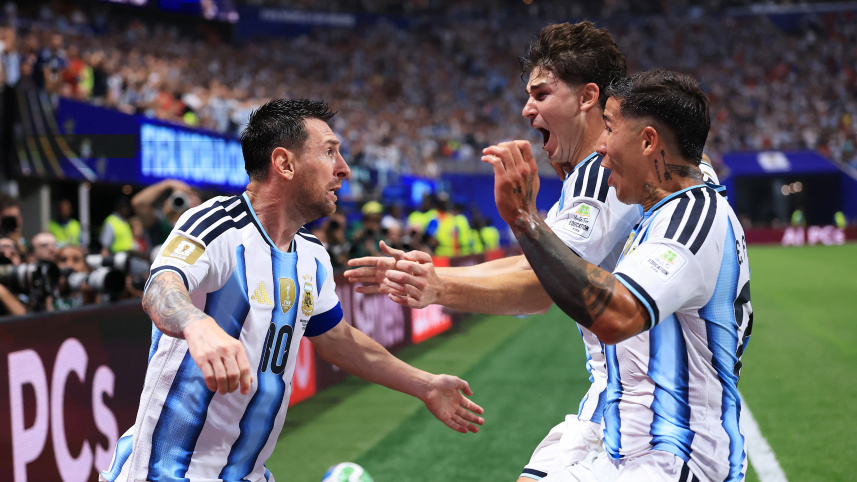
By the time Enzo Fernandez nodded in the 92nd-minute winner, the Pharaohs’ historic shore of euphoria had vanished into thin air. Another 3-2. This time a heist.
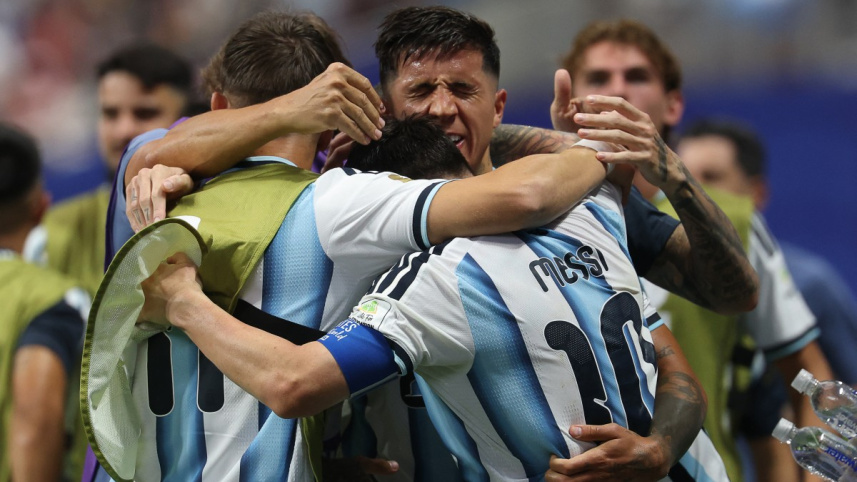
Argentina somehow hang in there, surviving an epic contest through absolute courage when their tactical machinery went completely out the window. As they march into the quarter-finals to face either Colombia or Switzerland, the narrative arc of this team remains a high-wire act.
Messi and his teammates have proven they can look death in the face and smile. But when a team makes a habit of dancing on the edge of the blade, a haunting question lingers over their golden campaign: how long can a kingdom endure when its survival depends entirely on a king who is running out of time?
 For all latest news, follow The Daily Star's Google News channel.
Comments