


The World Cup through a Bangladeshi lens
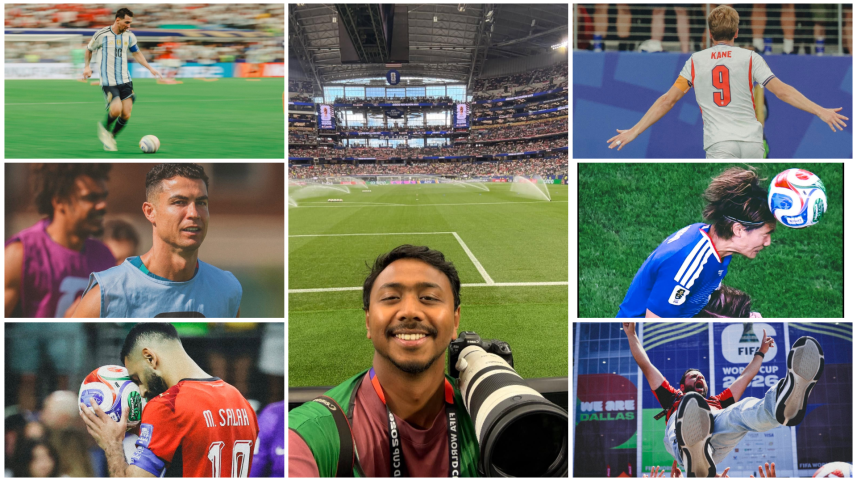
The moment I stepped onto the pitch for my first FIFA World Cup assignment, everything suddenly felt real. I had been assigned by The Dallas Morning News to cover England against Croatia, my first match of the tournament.
Ever since moving to Dallas, I had known the city would host more World Cup matches than anywhere else, and I had quietly hoped I would get this opportunity. Still, nothing prepared me for walking onto that grass for the first time.

A thousand thoughts rushed through my head.
What if I miss the photograph I am supposed to get? What if the defining moment happens somewhere else? What if I fail to do justice to football's greatest stage?
Then the players emerged.
First the goalkeepers, then the rest of the squad. Harry Kane began taking shots almost directly in front of me. For a few seconds, I forgot about the camera. I simply stood there, taking it all in. Part of me wanted to FaceTime my old friends from St Joseph Higher Secondary School in Dhaka and show them where I was.
England eventually won 4–2, and Kane celebrated only a few metres away. I quietly whispered to myself: Welcome to the greatest show on earth.
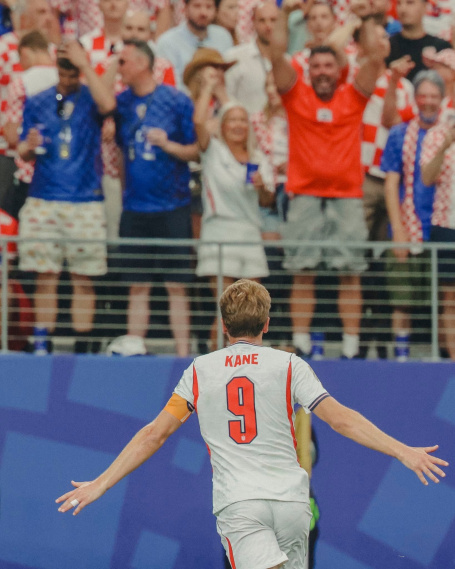
The celebrations afterwards were just as unforgettable. Jude Bellingham stood in tears as England supporters serenaded him with ‘Hey Jude’. Moments later, the entire stadium echoed with ‘Wonderwall’. It felt less like a World Cup and more like a Premier League afternoon.
Only then did I realise I was no longer watching history unfold on television. I was documenting it.
That is the strange thing about covering a World Cup. As a photographer, you are constantly balancing emotion and instinct. The louder the stadium becomes, the calmer you have to be. Every decision matters. Do you follow the goalscorer? The goalkeeper? The manager? The supporters? Sometimes the story of an entire match is hidden in one small gesture that lasts less than a second.
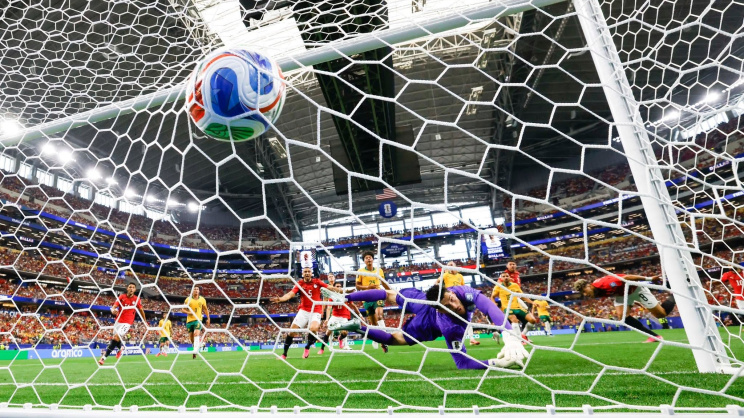
That became especially clear during the knockout match between Egypt and Australia.
The match went to penalties. Around me there was chaos. Supporters shouting, photographers changing positions, players pacing with nervous energy.
I kept my eyes on Mohamed Salah.
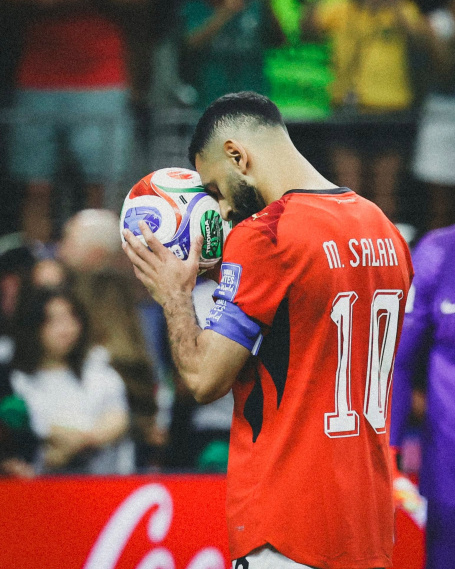
He may not attract the same swarm of cameras as Lionel Messi, but his presence carries its own gravity. Just before taking his penalty, he gently touched the ball to his forehead.
It lasted only a moment. I pressed the shutter.
That frame instantly became one of my favourites from the tournament.
Moments like that remind me why I love photography. The action tells you what happened. The quiet gestures tell you what people were feeling.
The only time I usually write is for work. I write captions for photographs and the occasional story blurb. This is different. I was asked to write about my experience covering the FIFA World Cup, and as I looked back over the past two weeks, I realised this story had begun long before I ever arrived in Dallas.
It began in Dhaka. Growing up in Bangladesh, the World Cup was never simply another tournament.
Every four years, neighbourhoods transformed into seas of Argentina, Brazil, Germany and England flags. Tea stalls became debating arenas. Families stayed awake until two or three in the morning to watch matches together. The next morning, classrooms were filled with sleepy students arguing about missed penalties, controversial refereeing decisions and brilliant goals.
 For all latest news, follow The Daily Star's Google News channel.
 At St Joseph Higher Secondary School, football and cricket shaped almost every conversation. Homework could wait. There were far more important debates: Messi or Ronaldo? Brazil or Argentina? Torres or Drogba?
We arrived at school exhausted after another late night in front of the television, but nobody minded.
The 2010 World Cup remains one of my strongest memories. I still remember David Villa inspiring Spain to the title. A year later came Barcelona's Champions League final victory over Manchester United at Wembley, with Villa scoring again. I remember Fernando Torres in his Liverpool days and the disbelief when Robin van Persie swapped Arsenal for Manchester United.
Back then, football belonged to television screens, newspaper pages and scrapbooks.
I collected photographs of footballers and cricketers, carefully cutting them from newspapers and pasting them into albums. I did not know what photojournalism was. I only knew that photographs fascinated me. Somehow they could make a fleeting moment last forever.
Years later, I found myself standing beside the pitch, photographing Lionel Messi during Argentina against Australia.
For a moment, it did not feel real.
Messi had been part of those school debates, those sleepless nights and those newspaper cuttings. I had spent years watching him from a classroom in Dhaka or a living room at home.
Now I was looking at him through my own viewfinder.
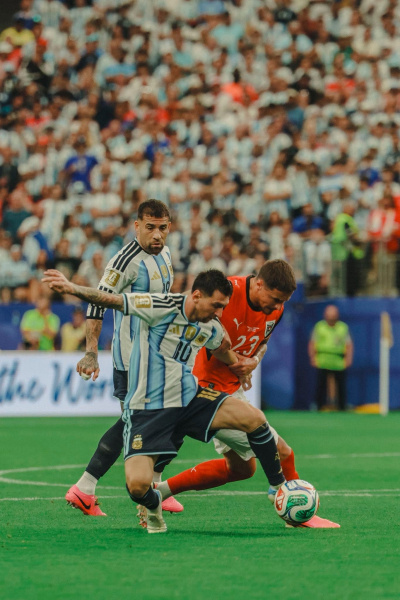
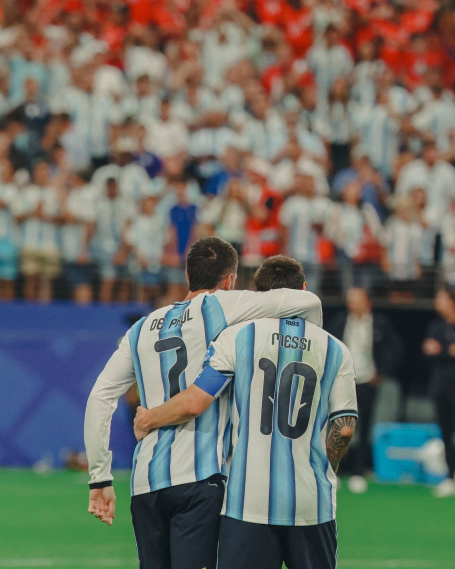
That was the moment I truly appreciated how far photography had taken me.
I picked up a camera in Bangladesh without any idea where it might lead. Photography eventually took me from Dhaka to Hawai'i, and later across the United States, covering politics, communities, sport and everyday life.
But nothing has felt quite as personal as the World Cup.
Perhaps that is because I have never felt I was here entirely on my own.
Every time I walk onto the pitch, I think about the football culture I grew up in. Bangladesh may never have played at a World Cup, yet every tournament grips the country like few others. Streets fill with flags, strangers celebrate together and children dream through players wearing shirts from nations thousands of miles away.
I grew up in that culture.
In many ways, I feel I have carried a little piece of Bangladesh with me every time I have stepped onto the touchline.
I am scheduled to photograph the semi-final, which will probably be my final assignment of this tournament.
I do not know whether I will ever experience another World Cup like this.
I do not know when I will next hear a stadium shake after a goal, stand a few metres from players I once idolised or search for that one photograph capable of telling the story of an entire match.
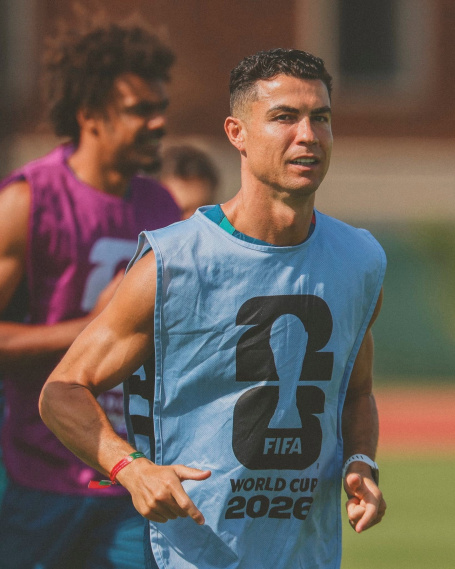
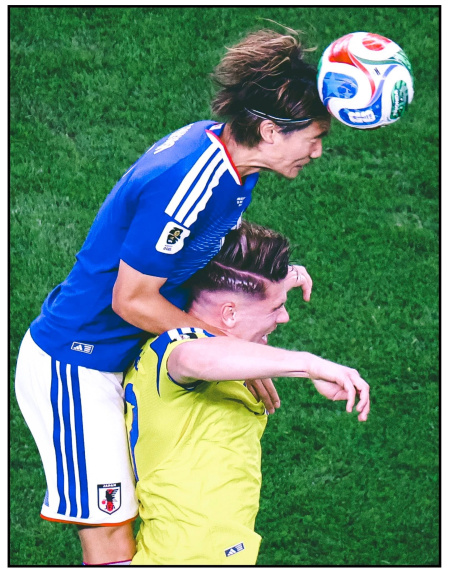
So I am trying to savour every detail.
The walk into the photographers' workroom. The smell of freshly cut grass. The scramble after a goal. The songs from the stands. The silence before a penalty.
Somewhere in Bangladesh tonight, another schoolboy will stay awake to watch the World Cup and dream about the players on his television screen.

Years ago, that was me. This summer, somehow, I found myself on the other side of the lens.
(Shafkat Samin Anowar is currently working as a photographer for The Dallas Morning News after completing his graduation at University of Hawaii at Manoa. All the photos in this story were captured by him.)
Comments