


Hope and Hardship Mark Hajj Departure

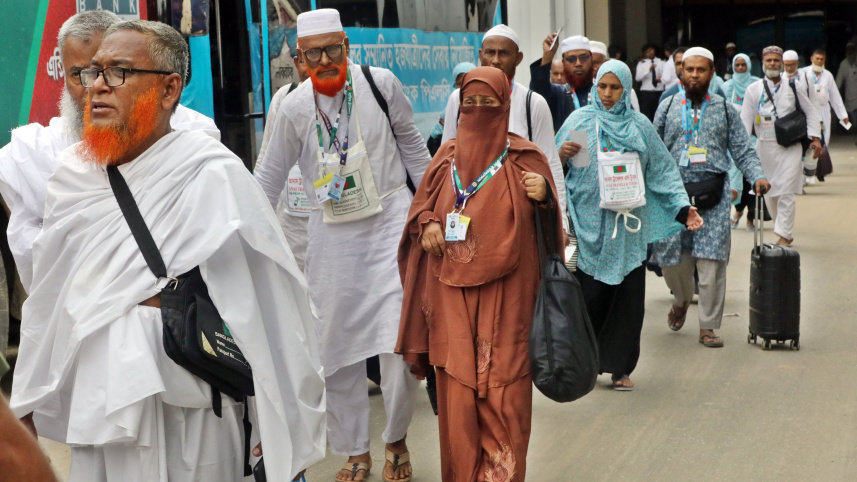
The Hajj pilgrimage is one of the most significant spiritual milestones for a Muslim. Every year, millions of people from across the globe gather in Makkah to perform rituals that require immense physical strength and unwavering mental resolve. Bangladesh remains one of the largest contributors of Hajj pilgrims in the world. According to reports from the Ministry of Religious Affairs the Hajj quota for Bangladesh in 2024 was set at 127,198 pilgrims. Although the numbers fluctuate slightly each year based on bilateral agreements with the Saudi government, approximately 1.2 to 1.3 lakh Bangladeshis prepare for this journey annually. For many Bangladeshis, this journey is the culmination of a lifetime of prayers and financial planning. While the journey is physically demanding due to the heat and long walks, the spiritual reward keeps the pilgrims moving forward.
Stories of Faith and Devotion

The journey is often fueled by personal stories of sacrifice. For some, it is about fulfilling the dreams of loved ones who are no longer there. Rabeya Khatun, a 68-year-old pilgrim, traveled to Makkah with her younger sister this year. Her husband had passed away three years ago, leaving behind a dream they had shared for decades.
“My husband always dreamt of us walking through the gates of the Haram together. He didn’t live to see it, but being here with my sister feels like I am finally fulfilling his final wish. The heat is intense, and my legs ache, but my heart is at peace,” Rabeya said.
For others, Hajj is a gift of love from the next generation. Ahmed Ullah, a retired school teacher, was able to perform Hajj because of his son’s persistence. His son, working a modest job, saved a portion of his earnings for seven years to surprise his father.
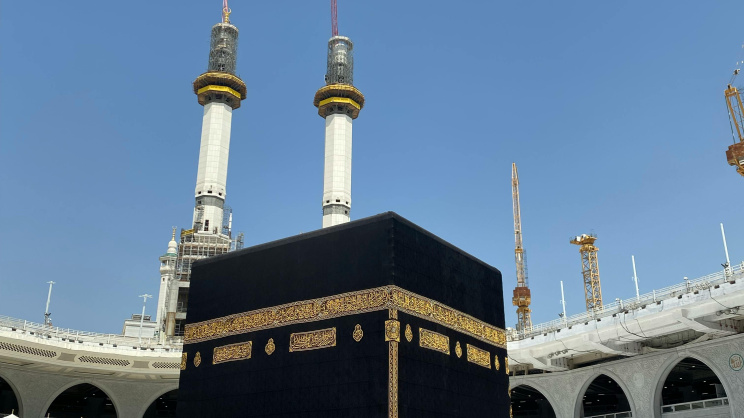
“I always told my son that my only remaining wish was to see the Kaaba. I didn’t know he was saving every penny just for me. Standing here today, I realise this journey is not just my prayer, but the result of my son’s hard work and love,” shared Ahmed.
Strict Regulations and Penalties
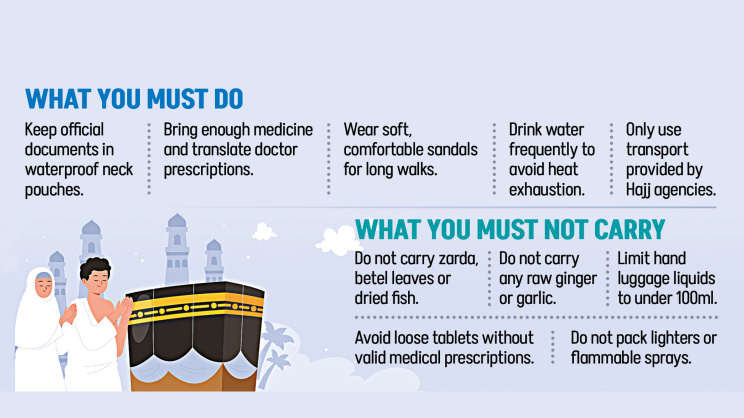
The Hajj environment is strictly regulated to ensure the safety of millions. Failing to follow Saudi customs and administrative laws can lead to severe legal consequences. For instance, carrying prohibited items like zarda, betel leaves and dried fish are strictly mentioned. Under Saudi law, individuals caught with these substances face immediate arrest, long-term imprisonment, and heavy financial penalties. Even common household items, if not packaged correctly, can lead to hours of detention at airport customs.
Beyond luggage restrictions, there are administrative penalties for procedural errors. The Saudi Ministry of Hajj and Umrah has implemented a “No Permit, No Hajj” policy.
Health regulations are equally strict. Pilgrims who do not carry valid vaccination certificates or attempt to bring unauthorised medicines without a doctor’s prescription may be denied entry. If a pilgrim is found carrying commercial quantities of goods under the guise of personal items, they may face confiscation and high commercial taxes. Understanding these rules is essential, as a single mistake can turn a spiritual journey into a legal nightmare.
A Journey of a Lifetime
The Hajj is more than just a trip; it is a test of patience. By following the rules and preparing both physically and mentally, pilgrims can focus on their prayers rather than logistical hurdles. Despite the challenges, the sense of unity and the fulfillment of a life-long pillar of Islam make every struggle worth it.
 For all latest news, follow The Daily Star's Google News channel.
Comments