


Bengali new year, near and far


Pahela Baishakh is a sensory explosion of red and white, the rhythmic beat of the dhak, and the collective spirit of the Baishakhi Shobhajatra, originally known as Mangal Shobhajatra. While Ramna Park remains the festival’s heartbeat, the spirit of the Bengali New Year has long since transcended geographical borders. We spoke to five non-resident Bangladeshis and expats in our country to understand how this day serves as a cultural bridge and a reminder of a home that never truly leaves the heart.
New York’s street celebrations

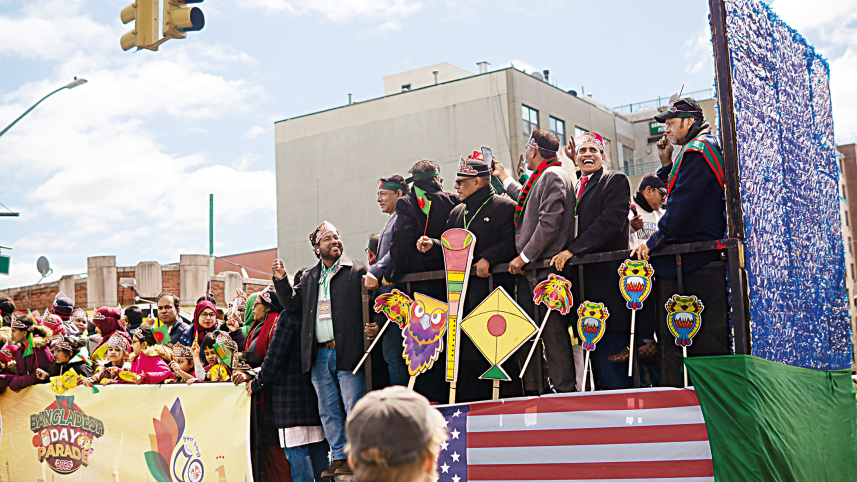
Maheer Helal, an adjunct lecturer at BRAC University, celebrated Baishakh in New York’s Queens last year. Usually indifferent back home, the almost 8,000-mile distance sparked a newfound excitement inside him. In Queens, the city closed major roads for the festivities, allowing a grand Mangal Shobhajatra to take place. “I didn’t expect it to be so vibrant,” Maheer admits. Since painting Alpona on streets is illegal there, organisers creatively attached handmade boards to decorated trucks. The parade featured district-based groups and even the NYPD, with many Bangladeshi officers in uniform participating. The abundance of bhaat-bhorta and the sight of thousands dancing on the sidewalks made the distance from home feel insignificant. For Maheer, the energy was even more intense than in Dhaka, proving that heritage thrives abroad.
The Registrar’s Panjabi
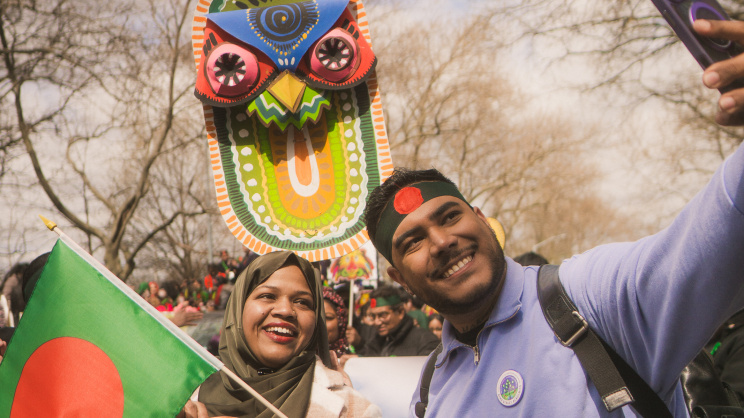
Dr David Dowland, Registrar of BRAC University, has spent seven years immersed in Bengali culture. As a British national, he has amassed a large collection of panjabis while attending countless festivals and weddings. For him, Pahela Baishakh is defined by the vibrant energy of the university community. He describes the “vibration of life” that the festival brings to the campus through flash mobs, folk music, and traditional food. “In the UK, we welcome spring with relief, but Bengali celebrations are far more energising and colorful,” he observes. To Dr Dowland, the day represents a fresh start and a revitalisation of life. He views the inclusive nature of these festivals as a vital way for international residents to truly appreciate the region’s history.
The blend of fusion and identity
In South Australia, Ahasanul Hoque Dipu, a Bangladeshi driving instructor and the owner of a driving school describes the emotional effort of celebrating without a public holiday. The diaspora relies on community halls and weekend gatherings to keep traditions alive. Here, a unique fusion occurs as local elements blend into the feast. “It’s common to see Australian BBQ and seafood alongside traditional dishes, with Pavlova appearing next to Bengali sweets,” Dipu explains. The most rewarding aspect for him is watching the second generation connect with their heritage. Seeing a child proudly wear a panjabi or ask curious questions about Bangladesh proves that their roots have taken hold. For the Australian diaspora, Baishakh encompasses a perfect celebration into forming a premise to stay grounded and ensure the culture continues.
Keeping Bengali Traditions Alive
In Canada, Nayeema Rahman, a resident of Montreal, describes the vibrant spirit of celebrating the Bengali New Year across North America. Every mid-April, the diaspora gathers to keep their traditions alive through “melas” filled with folk music and traditional food. While cities like Toronto or New York host large outdoor parades, Nayeema explains that the experience is a bit more personal where she lives. “ We go to community centres and celebrate Bengali New Year indoors,” she says, noting that these gatherings are essential for staying connected to their roots. The celebrations are a sea of red and white traditional clothing, where food like Panta-Ilish and Rosogolla is shared with both the community and curious neighbours. For Nayeema, the heart of the festival is ensuring the next generation understands their identity.
A Nepali Doctor’s Baishakh in Dhaka
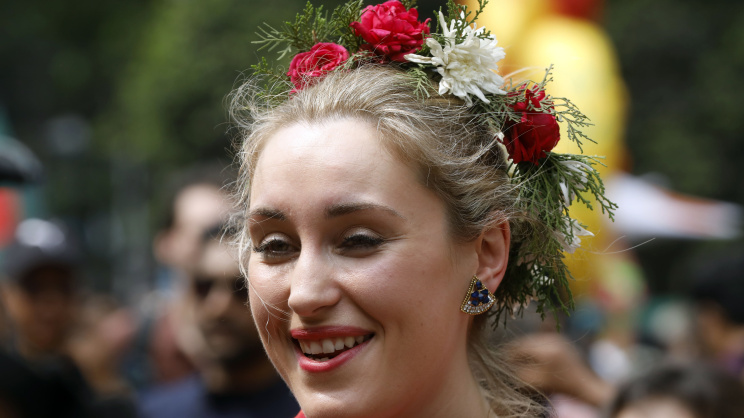
In Bangladesh, Dr Manish Gurmaita, a Nepali MD Cardiology resident at Bangladesh Medical University, celebrates Pahela Baishakh with great enthusiasm. He finds that the New Year festivities in Bangladesh feel very similar to those back home in Nepal, with the day starting by following Baishakh customs and visiting various temples across the city.
In the past, Dr Gurmaita would join the celebrations at Dhaka University with his friends, but his busy medical career has changed his routine. This year, he plans to enjoy Bengali cuisine along with traditional Nepali food. For Dr Gurmaita, Baishakh is a special time to pause his busy life as a doctor and connect with the shared traditions of both Bangladesh and Nepal.
 For all latest news, follow The Daily Star's Google News channel.
Comments