


Celebrating new year: The Bengali way

From early morning visits to Ramna Batamul to taking part in the vibrant and colourful Mangal Shobhajatra, our beloved celebrities carry countless cherished memories of Pahela Baishakh.
Free from divisions of religion or race, Bangalis everywhere come together to welcome the first day of the Bengali New Year with music, colours, and joyous celebrations. The Daily Star spoke to these stars, who fondly shared their personal stories on what makes Pahela Baishakh such a special celebration of Bengali culture and tradition.

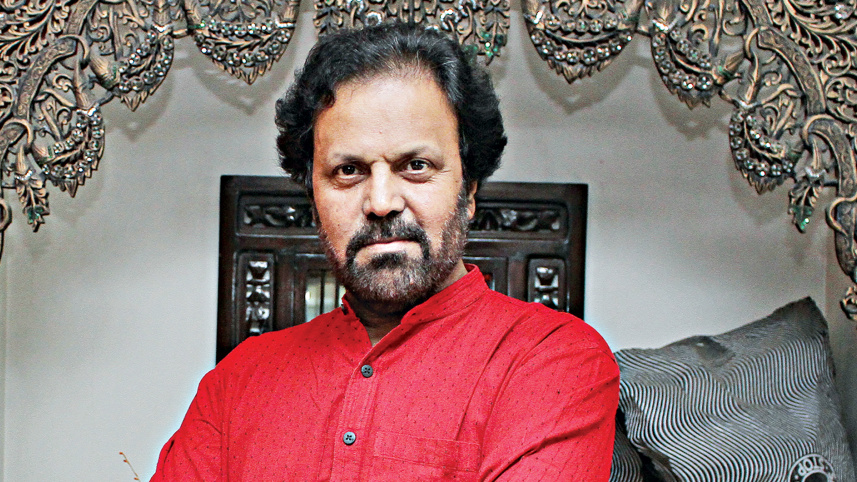
Tariq Anam Khan
Noted actor Tariq Anam Khan has some of the fondest memories of early Pahela Baishakh celebrations. “My fondest memory goes back to my childhood and teenage years, when we more or less treated it as halkhata—the opening of new ledgers,” he recalls. Small shopping trips, a few coins from his father, sweets, and visits to local cloth stores—all set against a backdrop of banana trees and pots—made the day feel uniquely Bengali.
Before that, he remembers being fascinated by Chaitra Sankranti rituals, like Charak Puja, which sparked his curiosity about local traditions. By the late 1960s, Pahela Baishakh had grown into a grand festival, with schools and families organising music and decorating stages with Bakul branches and flowers to create a distinctly Bengali atmosphere.
For Khan, the heart of the celebration was always Ramna Batamul in Dhaka. “I would go there early in the morning, whether staying at my sister’s house in Azimpur or later with my own family—my wife Nima and our young son. We would listen to music, enjoy sweets, and watch the celebrations unfold under the open sky.”
He emphasises that Pahela Baishakh is not just a festival; it is a celebration of Bengali identity. Tied to the calendar instituted during Emperor Akbar’s reign, the day is marked by sunrise, not midnight, and is a time for sharing food, music, and joy. “Even learning songs like ‘Esho he Boishakh, esho esho’ was a lesson in renewal: breaking the old to build anew.”
Afsana Mimi
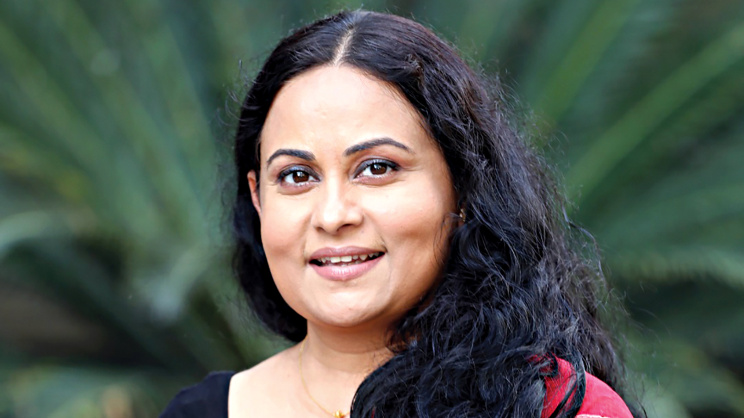
For the talented actress Afsana Mimi, Pahela Baishakh is an essential part of her life. Though she hasn’t been able to participate in Mangal Shobhajatra over the past ten years, she continues the tradition with the children at her cultural centre, Ichchhetola.
“One of my most cherished memories was being part of the Mangal Shobhajatra during the Bengali year 1400 (Choddosho),” Mimi recalls. “It was magical walking along Ramna, holding a mask made by Charukola, while Rabindranath’s words echoed in my mind: ‘Aji hote shotoborsho pore. Ke tumi poricho boshi amar kobitakhani...’ Knowing that poem was written over a hundred years ago made the moment so joyful.”
She also treasures simpler, personal memories. “My first Pahela Baishakh with my mother, when I was in my first year of college, is unforgettable. She even bought me a red-bordered off-white saree. After a day of celebration, we returned home to eat together—it was pure joy.”
Khairul Anam Shakil
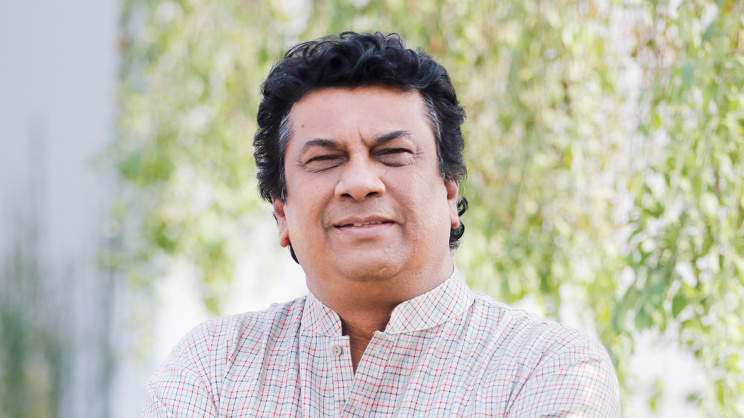
For Khairul Anam Shakil, Nazrul Sangeet exponent and vice president of Chhayanaut, Pahela Baishakh is a living expression of Bangali identity. “Pahela Baishakh is not just about marking a date on the calendar,” he says. “It is a declaration: ‘I am Bangali, I have my own culture, and I am proud of it.’”
Chhayanaut’s event at Ramna Batamul has been central to his life since the mid-1960s. The day begins with classical morning ragas—Bhairav, Bhairavi, and Todi—performed vocally or with instruments like the sitar, sarod, and flute. “Over time, what started as a few hundred people has grown into a massive gathering,” Shakil explains.
Quazi Nawshaba Ahmed
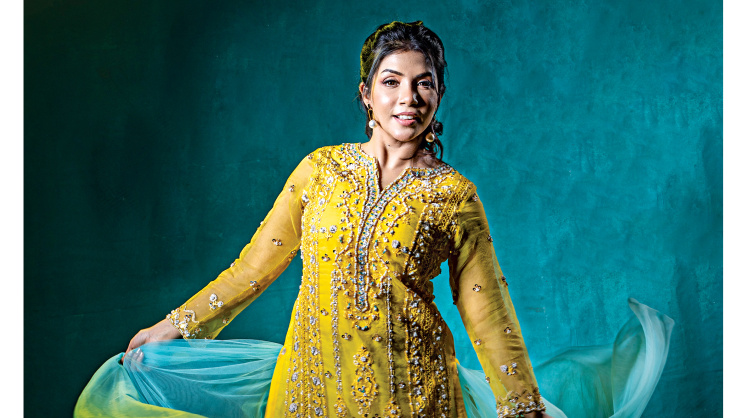
For actress Quazi Nawshaba Ahmed, the festival is about love and unity. “My desire to celebrate is always there,” she says. “Given my work, I usually collaborate with friends from Charukola, theatre colleagues, and younger artists from Gen Z.”
Her love for Charukola began in childhood. “I would see it only on TV. Even my family didn’t allow me inside at first. But the colours and the energy drew me in.” Becoming a student at Charukola added a sense of responsibility, from preparing alpana to organising the Mangal Shobhajatra.
Now a mother and art therapist, she finds joy in sharing the experience with differently-abled participants. “Explaining the songs ‘Mela Jaire’ or ‘Esho He Boishakh’ to visually impaired friends is a very special feeling,” she says.
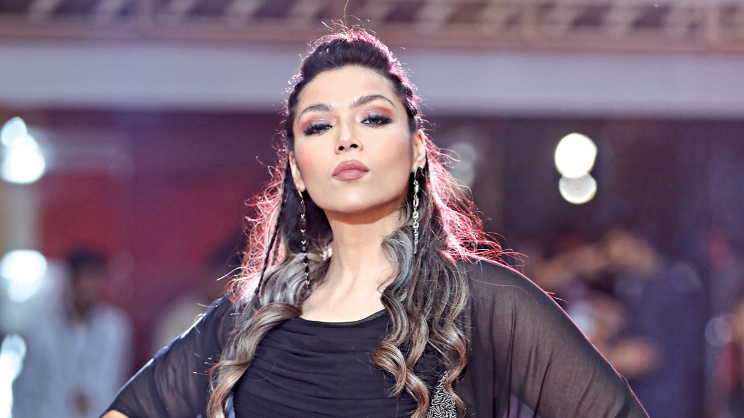
Dola Rahman
Singer Dola Rahman remembers celebrating Baishakh indoors with games, singing, and dancing—activities deeply rooted in Bengali culture. “Since childhood, I was always at the centre—‘Dola, start singing,’” she laughs.
 For all latest news, follow The Daily Star's Google News channel.
 For Dola, performing during Pahela Baishakh carries a special energy. “It truly feels like a colourful festival. Everyone comes to listen, we perform together, and wear traditional outfits.” Her repertoire often includes special Baishakh songs like “Banglami” or folk tracks like “Komolay Nritto Kore.”
Despite a busy schedule, her love for festive food remains. “Porabari’s chomchom or rosogolla—Pahela Baishakh morning isn’t complete without them. I’m a total sweets freak, trust me.”
Comments