


A crescent moon for the broken

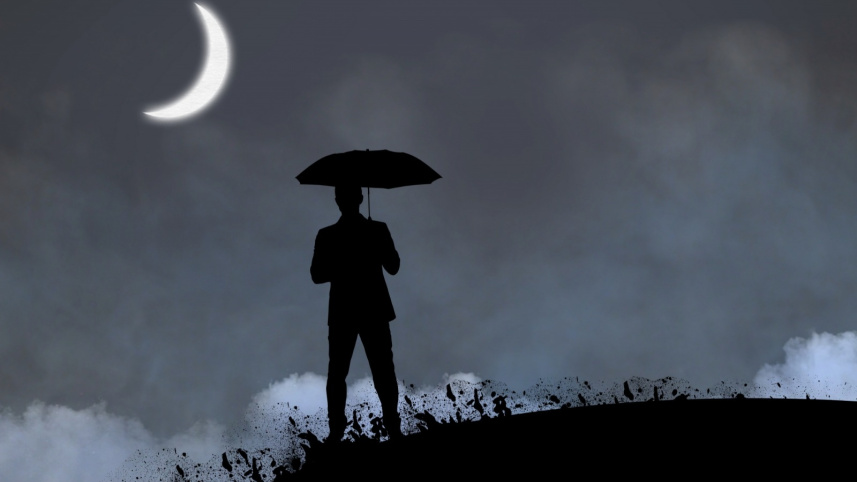
Festivals possess a curious dichotomy -- they intensify whatever already exists within.
Grief and joy share a neighbourhood. And, celebrations simply illuminate the contrast.

For those surrounded by companionship, Eid becomes an exuberant affirmation of belonging. For the solitary, it magnifies the silence.
The rituals that bind communities together can also expose the fragile edges of those who feel unmoored. More often by accident than by design, life reduces a person to solitude.
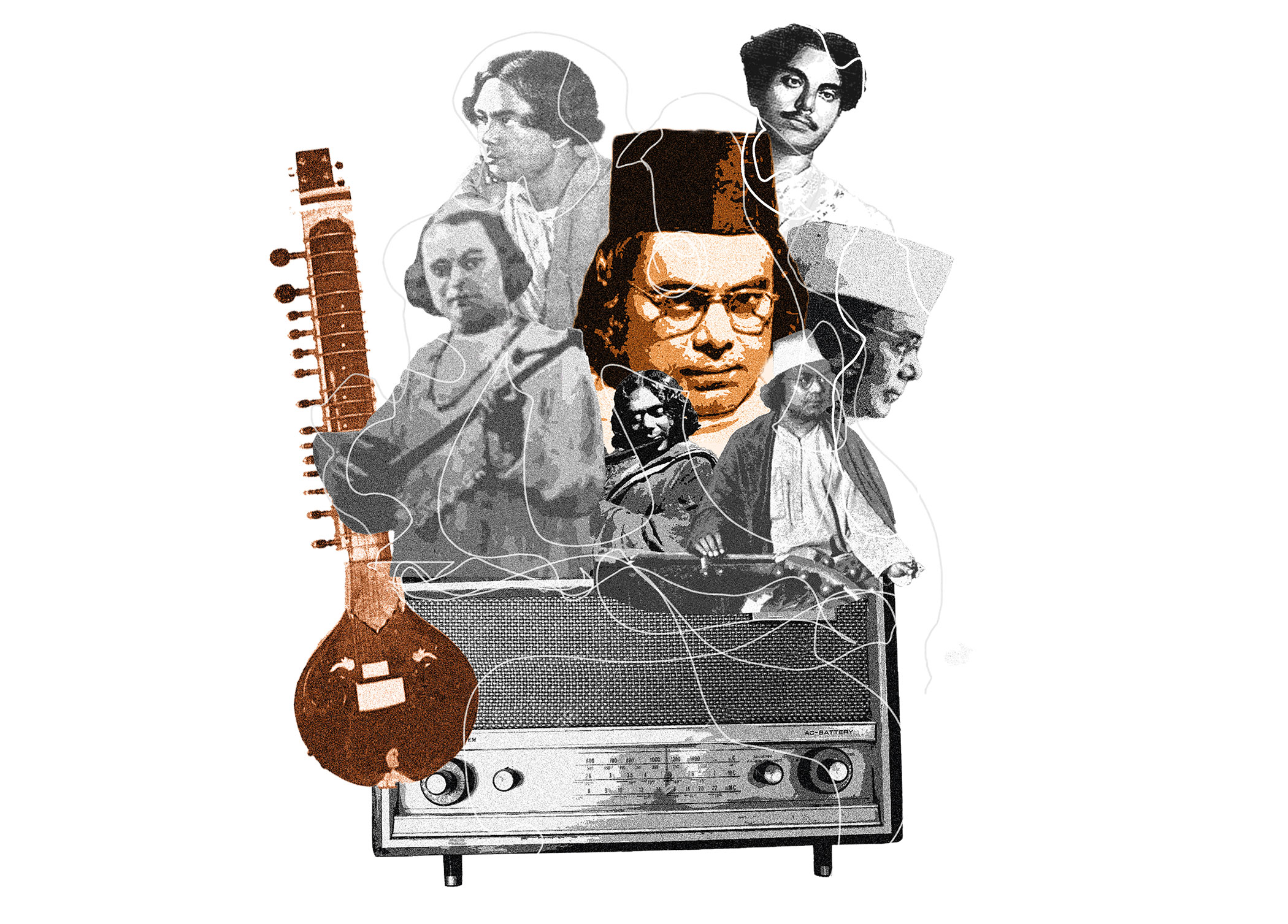
A few errors here, a little pride there, perhaps some foolishness and a streak of stubborn honesty that refuses to perform happiness on command.
The festival arrives. The streets glow. Yet inside, a quiet desolation lingers like an uninvited guest.
That is the poignant paradox that animates “Eid ka chand” -- a melancholic ghazal written by poet Saghar Siddiqui and immortalised in the voice of Ustad Nusrat Fateh Ali Khan.
Shimmer of sadness
Saghar Siddiqui wrote with the vocabulary of heartbreak but the sensibility of existential exile. The verses circle around a damaged self, a life that has drifted into a kind of inward wilderness.
The metaphor that opens the ghazal is devastating in its simplicity: “Chaak-e-daman ko jo dekha to mila Eid ka chand”.
Literally, it suggests the moon appearing in the tear of a robe.
Symbolically, it transforms ruin into revelation. The wound itself becomes the window through which celebration is glimpsed.
For those who live within grief, joy does not arrive directly. It appears fractured, refracted through absence, through loss, through the ragged seam of memory.
The ghazal does not deny the beauty of the moon. It simply insists that the lonely encounter it differently.
When sung by Nusrat Fateh Ali Khan, the ghazal acquires another dimension. The qawwali maestro possessed a rare ability to transform sorrow into resonance. His voice never merely performs sadness, it inhabits it.
The melodic arc moves with a quiet dignity. There is no theatrical lament. Instead, the ustad lets the lines breathe slowly, allowing each phrase to settle like twilight over the listener. The pauses are as eloquent as the notes.
 For all latest news, follow The Daily Star's Google News channel.
 His rendering evokes the sensation of solitude during Eid.
Outside, celebrations through the air. Inside, one sits with his thoughts, listening to the echo of a life that has grown distant from celebration.
Amplified aloneness
Beneath the romantic melancholy lies something more introspective.
The ghazal hints at a man who feels partly responsible for his isolation. There is a sense of reckoning with one's own failings, with the quiet burdens of guilt and regret.
Such introspection deepens the emotional register of the piece. The poet is not merely abandoned by circumstance; he interrogates his own role in arriving here. That moral unease lends the verses an unusual honesty.
The moon becomes not only a symbol of lost love but also a silent witness to self-examination.
Great works of literature and art rarely conclude with resolution. They leave behind an aftertaste of contemplation. This ghazal does exactly that.
The moon rises. The festival unfolds. Somewhere, a solitary figure looks upward and recognises something of theirs in its pale, distant glow.
Moon shines as it always does, but its light falls upon a landscape of inner desolation. That distance gives the poem its poignancy. The celebration is real. The loneliness is equally real.
Comments