


A campus alive with biodiversity
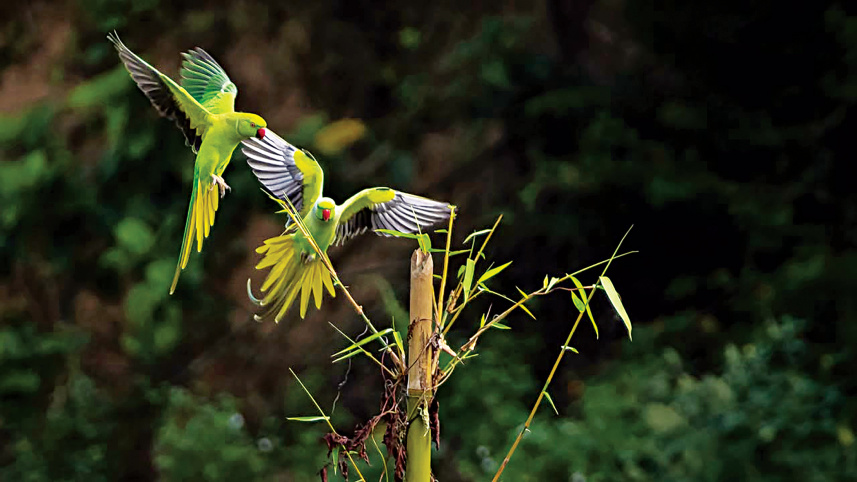
As dawn breaks over the rolling hills of Chittagong University, the campus awakens to more than the footsteps of students.
Birds fill the air with their calls, squirrels dart through the treetops, and deep within the forests, wild boars and other elusive animals begin their daily search for food.

With its mosaic of forests, hills, lakes, and streams, the landscape supports remarkable biodiversity. As students, teachers, and wild animals share this space, the university remains a rare place where nature is inseparable from everyday campus life.
Nestled among the forested hills of Hathazari, CU spans more than 2,100 acres, making it the largest university campus in Bangladesh by area.
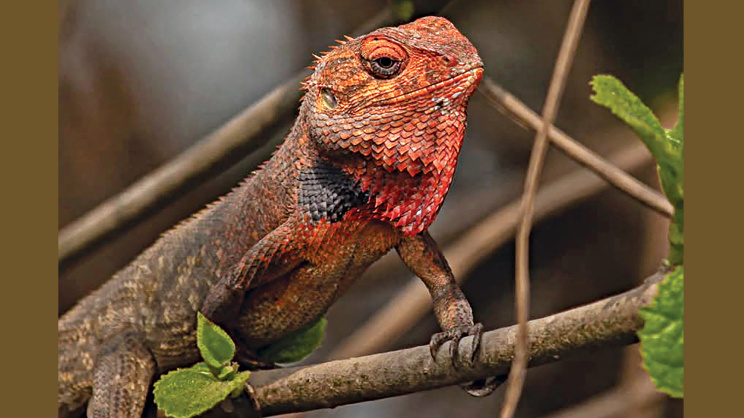
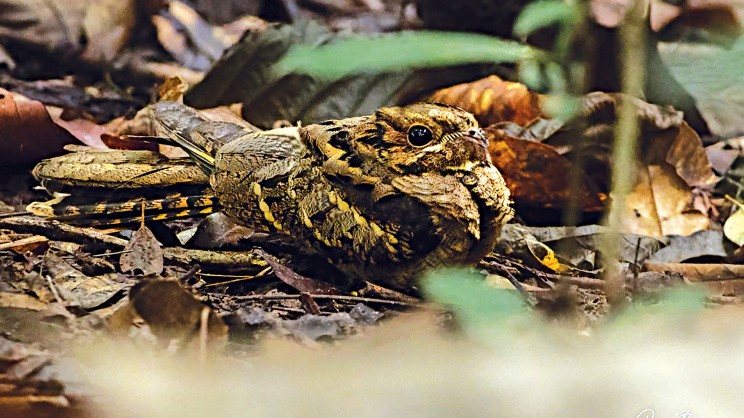
Away from the bustle of the city, this vast green expanse has long remained a refuge for diverse species. Around 350 species of wild animals have been recorded here, including about 240 species of birds, 30 species of mammals, 60 species of reptiles, and 24 species of amphibians.
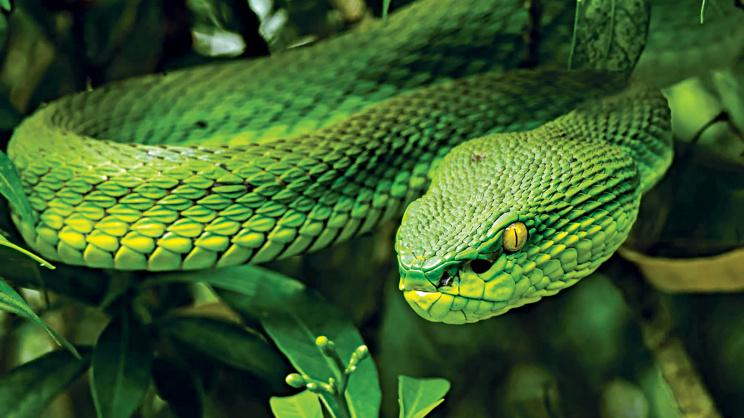
The campus is home to about 25-30 species of snakes, including the King Cobra, Indian Rock Python, and Red-necked Keelback.
All three of Bangladesh’s monitor lizard species have been recorded here, although one is extremely rare, while nearly all of the country’s forest lizard species are also found in the area.
The presence of Assamese macaques, Northern pig-tailed macaques, wild boars, barking deer, tree squirrels, porcupines, civets, numerous bat species, and tortoises has also been documented.
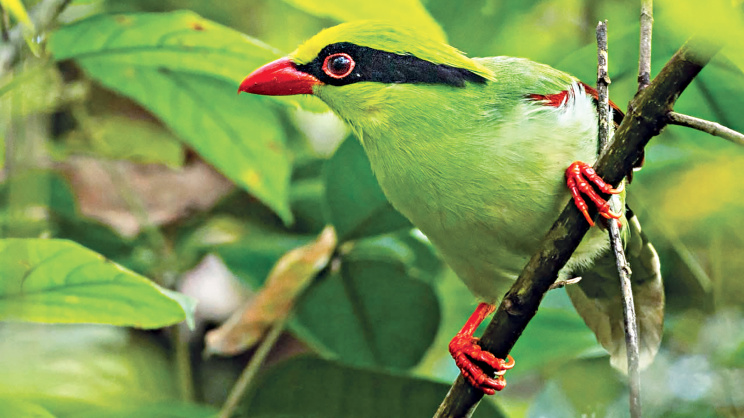
Among its avian highlights are eagles, Common Green Magpie, Kalij Pheasant, Malayan Night Heron, Slaty-breasted Rail, and the Common Hill Myna, with five of the six subspecies recorded in Bangladesh documented on the campus.
Despite its remarkable biodiversity, the campus has witnessed a noticeable decline in several wildlife species over the years.
Jannatul Ferdous Runa, a student at CU, said her seniors often told her about a time when birds of prey, including eagles, were a common sight and different species of kites regularly soared over the hills.
They also recalled hearing jackals calling through the forests at dusk and occasionally encountering barking deer, pangolins, and even the rare king cobra.
However, Runa said she has not witnessed these scenes during her time at the university, noting that such wildlife has become increasingly rare.
Meanwhile, the gradual expansion of academic buildings, residential halls, roads, and other infrastructure, along with the leasing of university land for agricultural activities, has placed growing pressure on natural habitats, fragmenting wildlife movement corridors across the campus.
Although such encounters can create fear and misunderstanding, they also present opportunities to promote coexistence rather than conflict.
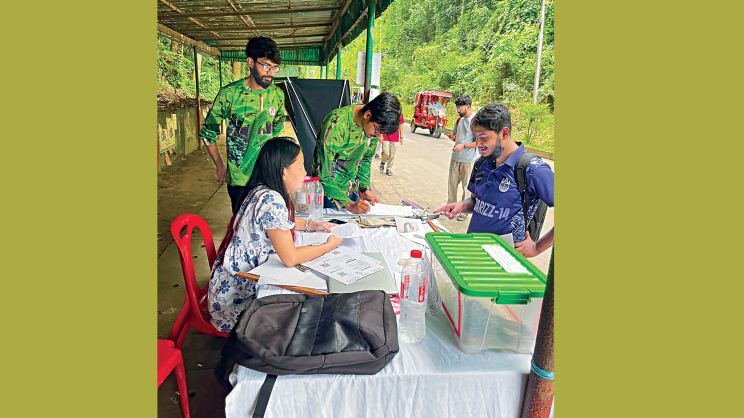
To encourage that coexistence, several student-led conservation organisations have become actively involved in wildlife awareness and rescue efforts.
On the CU campus, The Society for Snake and Snakebite Awareness (3SA) rescues snakes, promotes safe rescue practices, and educates students and local communities about snakebite prevention and the ecological importance of snakes.
Nafees Hasan Tanim, head of the rescue team at 3SA, said the rich biodiversity of the campus means encounters between people and wildlife remain a part of everyday life.
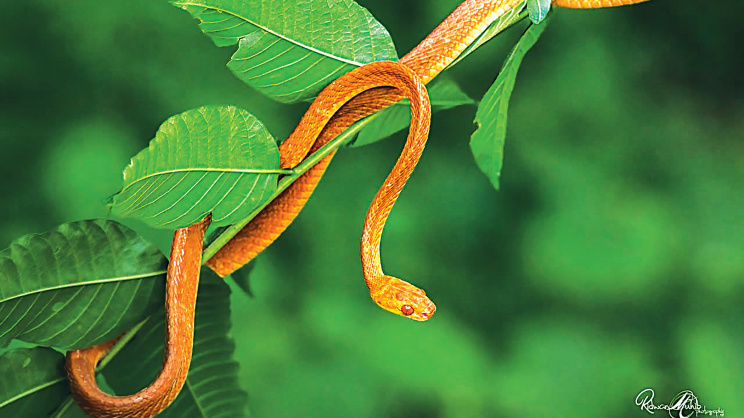
He said snakes occasionally enter residential halls and academic buildings; wild boars are sometimes spotted near roads and hostels, while injured birds and other wild animals are frequently reported by students and staff.
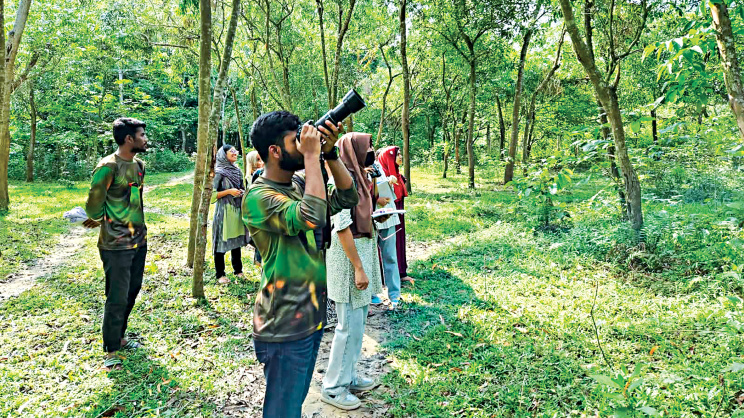
Meanwhile, the Bird Club of Chittagong University documents the campus’s bird diversity, conducts awareness campaigns, and encourages students to appreciate and protect its rich birdlife.
 For all latest news, follow The Daily Star's Google News channel.
 Prof Farid Ahsan of the Zoology department at CU said, “People need to learn to coexist with wildlife. Awareness is the key. Through the efforts of student organisations such as the 3SA and the Bird Club, even a small increase in public awareness has made a difference.”

“Today, instead of harming wild animals, many people call rescue teams for help,” he added.
Despite these positive initiatives, conservationists say long-term protection will require stronger institutional commitment.
Prof Abdul Wahed Chowdhury of Zoology at the university said the campus should be declared a Biologically Important Area to ensure its rich biodiversity receives greater protection.
Such a designation, he said, would require future infrastructure development and land-use decisions to take the campus’s ecological importance into account.
“If the campus is protected and managed sustainably, I believe its biodiversity will increase significantly over the next 10 years,” he said.
Protecting the campus alone, however, may not be enough.
Ibrahim Khalil Al Haidar, assistant professor of Zoology, stressed the importance of maintaining ecological connectivity between the CU campus and the adjacent Sitakunda Range under the Forest Department.
He said agricultural expansion has fragmented the natural corridor linking the two areas, disrupting wildlife movement.
Greater collaboration between the university and the Forest Department, he added, could help restore this habitat corridor, allowing animals to move more freely between the two landscapes and reducing wildlife mortality.
Comments