


EU sets refugee quotas for states
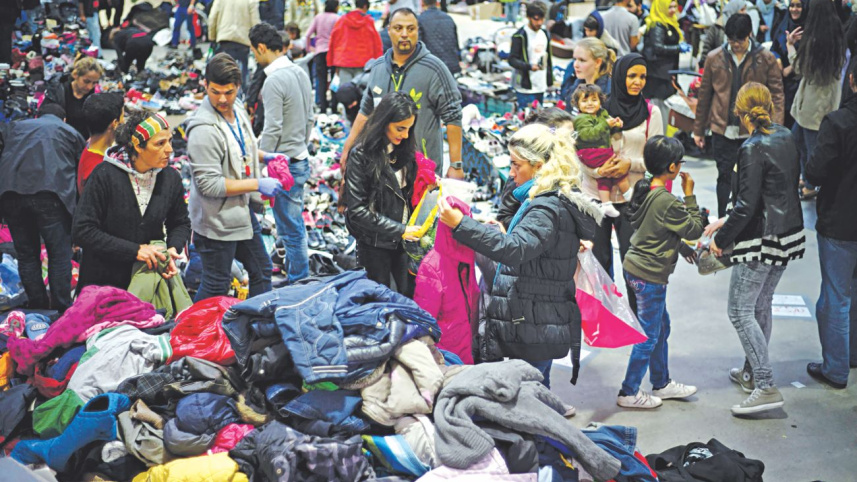
The EU executive has drawn up a new set of national quotas under which Germany will take in more than 40,000 and France 30,000 of a total of 160,000 asylum-seekers it says should be relocated from Italy, Greece and Hungary, an EU source said yesterday.
European Commission President Jean-Claude Juncker is due to unveil new proposals on Wednesday. EU officials have said he will propose adding 120,000 people to be relocated on top of a group of 40,000 the Commission previously proposed relocating.

The initial proposal to relocate refugees arriving in Italy and Greece would also be expanded to include refugees arriving in Hungary, reports Reuters.
As European leaders stepped up efforts to tackle the historic crisis, France also said it would take 24,000 more asylum-seekers under a European plan to relocate 120,000 refugees from hard-hit frontline countries.
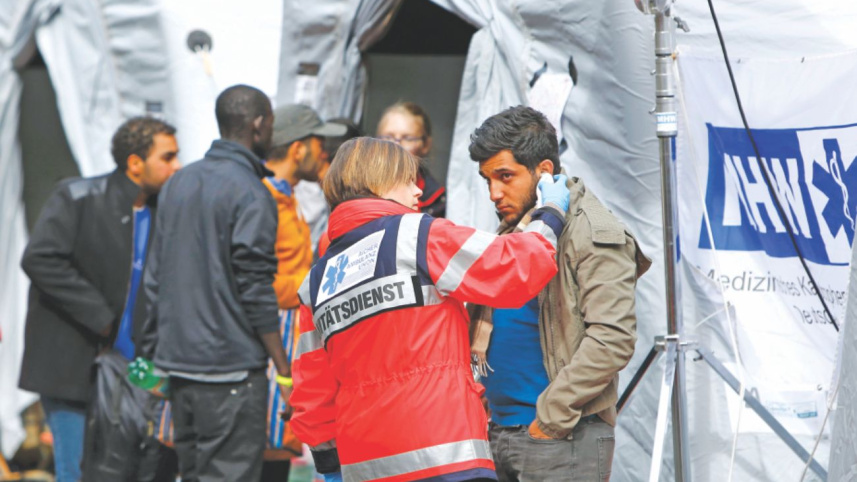
Meanwhile, French President Francois Hollande said yesterday Europe's borderless Schengen zone would collapse without a united EU effort to share migrants among member states.
"If there is not a united policy, this mechanism will not work, it will collapse, and it will... undoubtedly be the end of Schengen, the return of national borders," he told a press conference in Paris.
Member states rejected binding national quotas in June but since their voluntary offers have fallen short of 40,000 while the numbers of people arriving in Europe has surged, the Commission, backed by Germany and France, is pushing for governments to accept allocations set for them in Brussels.
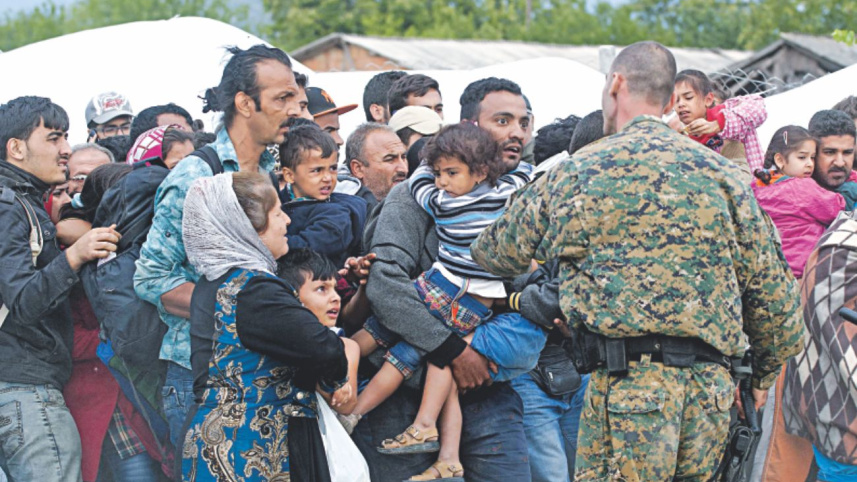
The refugees would be distributed under a formula, or "distribution key", based 40-percent on receiving countries' national income, 40-percent on population, 10-percent on the unemployment rate and 10-percent on how many refugees the country was already accommodating before this year's crisis.
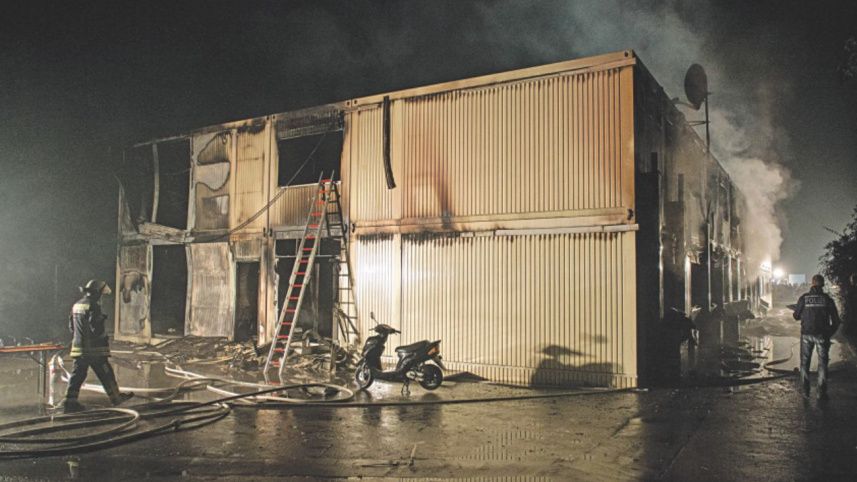
Italy and Greece are the main entry points for refugees who reach the European Union by sea, while Hungary as the main entry point for those arriving by land across the Balkan peninsula, has more recently become a focus of the crisis.
 For all latest news, follow The Daily Star's Google News channel.
Comments