


A queen 'changing' with the times
Elizabeth, now 89, ascended to the throne in 1952 at the twilight of British empire, with Britain slowly emerging from the ravages of World War Two.
The monarchy was a distant institution that presided over a country where food rationing was still in place and social classes clearly distinct.

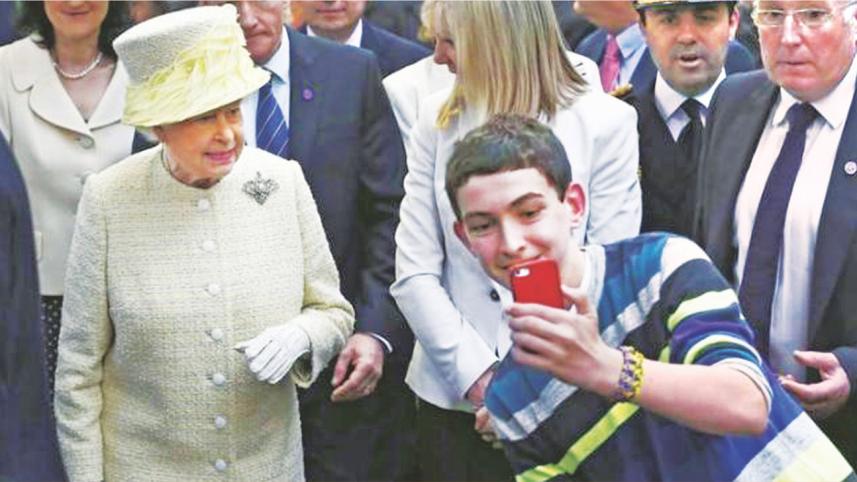
Over the next few decades, the royal family went from being something the public would only glimpse in newsreels and at official occasions to releasing family photos on Twitter, and even "photobombing" other people's "selfies".
A 1969 fly-on-the-wall TV documentary "Royal Family" was viewed by commentators at the time as damaging to the monarchy's mystique, and the queen's daughter, Princess Anne, later said it was a "rotten idea".
But another innovation the following year, the royal "walkabout" with the crowds, became a regular occurrence.
The celebration of her silver jubilee in 1977 and the national joy at the wedding of son and heir Prince Charles to Diana Spencer, and the birth of their children in the 1980s, gave way to tribulations in the 1990s, when "the firm", as the royal family is nicknamed, was at its lowest ebb.
The marriages of three of her four children collapsed, most notably that of Charles and Diana, in the full glare of Britain's tabloid media, prompting changes aimed at showing the public that the royals were more than just a privileged, dysfunctional family.
They agreed to start paying taxes on their income and in 1997 Elizabeth bade farewell to her much-loved royal yacht, Britannia, and the newly-elected Labour government refused to sanction paying for a replacement. She cried, the only time she has shed tears in public.
Buckingham Palace has been opened to visitors, some two million have attended garden parties hosted by the queen there, and there is greater visibility around financing and what the public pays for.
For those looking for modernity, the queen's photogenic and charismatic grandsons William and Harry look like princes at ease with ordinary Britons.
Biographer Lacey said the queen's great skill in changing the monarchy was knowing when to make concessions. "Even tragedies and mistakes like Diana have been turned to the advantage of the monarchy," he said.
 For all latest news, follow The Daily Star's Google News channel.
Comments