


Final Iran Deal: rough ride ahead
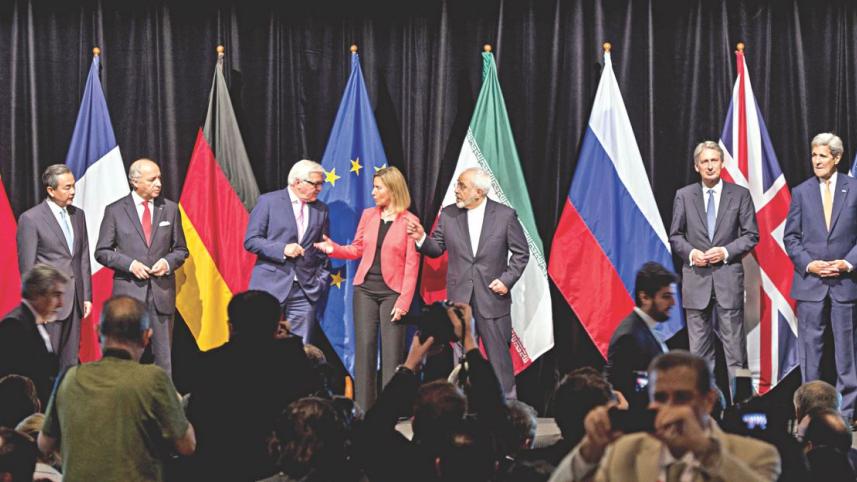
Getting the Iran nuclear deal unveiled was hard enough. Now it must be approved, implemented and then stuck to for years. Get set for a bumpy ride, experts warn.
"This agreement is as fragile as the forces against it are formidable. It has serious critics in Iran, the US and the region," said Ali Vaez from the International Crisis Group thinktank.

First stop for the deal, under which Iran will curb its nuclear programme in return for sanctions relief, is the US Congress, controlled by opposition Republicans who are sceptical about the accord.
US lawmakers will have 60 days to chew over the highly complex agreement in what will likely be a period of high drama with intense lobbying on both sides.
US Senate Majority Leader Mitch McConnell, a Republican, warned on Sunday that the accord will be a "hard sell". Many in the US share Israel's concerns that the deal is too weak.
Congress does not have to approve the deal, but it has the option of passing a resolution preventing President Barack Obama from waiving most US sanctions.
Obama can veto this, but this could be overridden if opponents can muster a two-thirds majority.
In Iran, approval is easier, with the deal set to be put to the Supreme National Security Council -- a body composed of appointees by supreme leader Ayatollah Ali Khamenei -- and then to parliament.
Perhaps the most difficult part will be ensuring both sides stick to their side of the bargain longer term, even though a special commission will be created to handle any violations.
The accord has a long time to run. Iran's nuclear programme, curbed under the deal, cannot expand for a decade or more. Spent reactor fuel must be exported, only enrichment to low levels is allowed.
Iran must allow the IAEA to probe allegations of past weaponisation work, which may include visits to military bases -- something some powerful factions in Iran may seek to block.
Another question is this: What will happen if figures who may be more hostile to the agreement come to power in Iran and the United States?
Even though Obama can waive sanctions, the laws underpinning them remain on the books, meaning his successor could decide to bring back the sanctions by executive order.
 For all latest news, follow The Daily Star's Google News channel.
Comments