


Stop ‘waging war on nature’
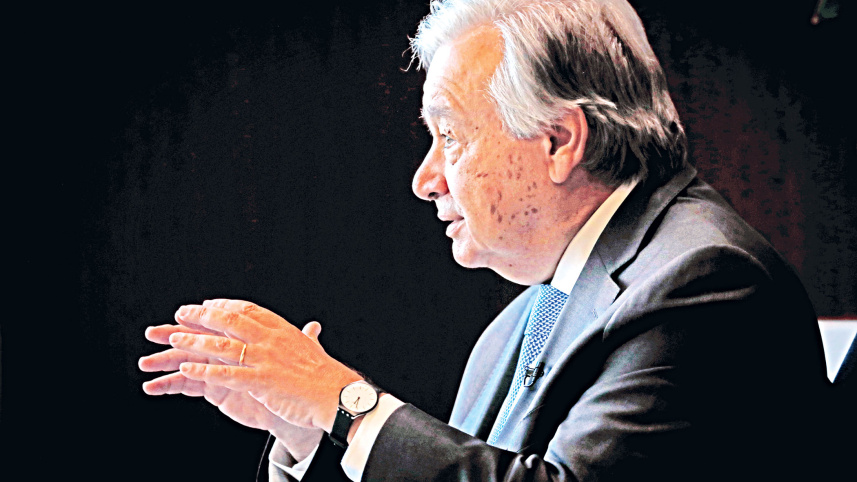
UN Secretary General Antonio Guterres has warned humanity must stop "waging war on nature" at the United Nations' first ever summit on the biodiversity crisis.
He said one consequence of the imbalance with nature – caused by deforestation, climate change and food production – was the emergence of deadly diseases such as HIV-AIDS, Ebola and COVID-19.

"Humanity is waging war on nature. And we need to rebuild our relationship with it," said Guterres.
"Wildlife populations are plummeting because of overconsumption, population growth, and intensive agriculture. And the rate of species extinction is accelerating with some one million species currently threatened or endangered."
Earlier this month, the UN published a major assessment that found none of the 20 global biodiversity targets agreed 10 years ago with a 2020 deadline were fully met.
Guterres said governments must include nature-based solutions in coronavirus recovery plans, investing in forests, wetlands and oceans.
"Ten years ago, we secured commitments that should have protected our planet. We have largely failed. But where effort has been made, the benefits to our economies, human and planetary health are irrefutable. Nature is resilient and it can recover if we ease our relentless assault," the UN chief said.
Wednesday's online event gave more than 100 heads of state and government the opportunity to raise ambitions for the development of the 10-year-strategy.
Addressing the summit in a video message, Chinese President Xi Jinping urged global cooperation on the environment, saying countries were "passengers in the same boat".
French President Emmanuel Macron said "2021 must be the year of action," while European Commission President Ursula Von der Leyen reaffirmed her commitment to the new global biodiversity framework.
The United States did not participate in the UN summit.
The world spends an estimated $80-$90bn on conservation each year, but studies show hundreds of billions of dollars may be needed to save ecosystems from collapse.
Ahead of the UN summit, leaders from more than 70 countries and the European Union signed a pledge to reverse losses to natural habitats by 2030.
But leaders of some of the world's worst polluters – Brazil, China, India and the US – did not sign the pledge.
Swedish climate activist Greta Thunberg noted "it's so easy to pledge".
"Everyone wants to save nature and save the climate. When it comes to real action, however, they fail every single time," she tweeted.
 For all latest news, follow The Daily Star's Google News channel.
Comments