


Unlikeable and unforgivable: Let’s give our women some grace
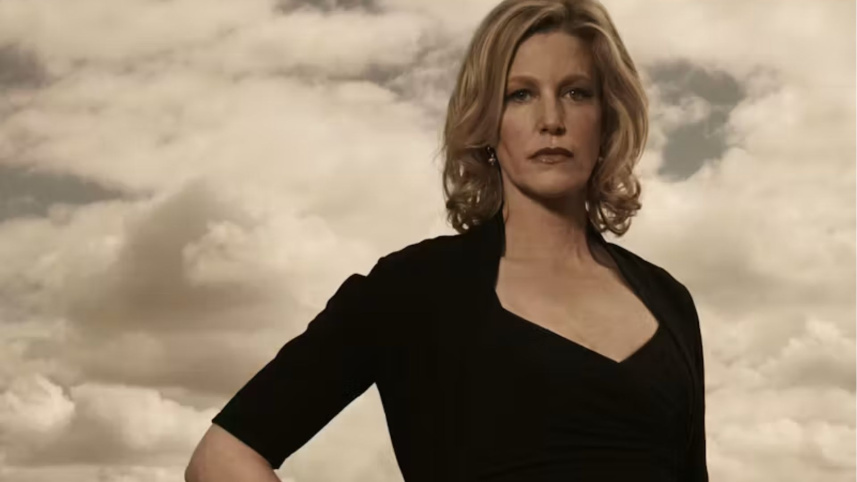
At some point, someone decided that a woman being inconvenient was a greater moral failing than a man being dangerous. For a clearer understanding, look no further than the most popular shows of our time and their fandom discourse. A male character being criminal or morally dubious is treated with nuance, whereas his female counterpart is rarely afforded the same.
The consensus is to treat mere unlikability as a bigger offence than actual wrongdoing. Perhaps the most obvious victim of this is Breaking Bad’s Skyler White. Walter White built a drug empire from the ground up, destroyed lives, and alienated his family along the way. He acted the way he did for the love of the game. Caught in the crossfire was his wife Skyler, as her very understandable reaction to finding out and stepping away from their marriage, a deliberate choice by the writers, resulted in an unprecedented hate train.

Skyler being “annoying” led to hatred so intense that it was no longer just directed at the character but the actress herself. In an opinion piece for The New York Times, Anna Gunn, who plays Skyler, wrote about a death threat she came across online.
The gaming industry is perhaps the most hostile arena for this phenomenon. Male-dominated fandoms are notorious for treating women as an unwelcome intrusion — as players, characters, or leads. Just this year, God of War: Laufey has gained backlash for featuring Faye, Kratos’ wife, as the main playable character, with critics questioning whether playing as a woman would be any “fun”. When the trailer for Grand Theft Auto VI dropped, featuring Lucia as the franchise’s first female lead, a part of the internet boycotted it. They claimed the franchise had gone “woke” and refused to play as a woman. In worlds full of violence, apparently a woman taking on the mantle was crossing the line.
Stepping out of the fictional world, pop culture, even though dominated by women, is also overwhelmingly sexist. Britney Spears spent her most successful years being simultaneously sexualised and condemned for it, culminating in a very public breakdown and a conservatorship that stripped her of her autonomy for 13 years. When marrying into the British royal family, actress Meghan Markle had every detail of her personal life and physical appearance microanalysed. Taylor Swift, one of the most influential musicians of this generation, is often reduced to her relationships. Successful women are discussed not in terms of their achievements but their beauty, body, and likability.

Earlier this year, a wave of backlash against the singer Chappell Roan swept the internet. The incident involved a security guard, who was not even part of her team, telling off a young fangirl. This sparked weeks of online hate, with people insulting her in every way they could and insinuating Chappell hates children and her fans. She asked for basic boundaries from her fans and got demonised and harassed. It has to be said that there are many instances of male celebrities refusing to interact with fans, and it has never garnered even a fraction of this hatred. A woman in the public eye demanding respect and privacy is seen as them being “ungrateful”.
In Bangladesh, female public figures are often subjected to a form of criticism that is intrusive and personal. Shakib Khan, one of our biggest movie stars, has been at the centre of many controversies surrounding his relationships with actresses Apu Biswas and Shobnom Bubly. Both women have been pitted against each other for years and had their personal lives, appearances, and perceived character picked apart in detail. Shakib Khan, the common denominator, has largely avoided public outrage and emerged with a successful career. With fame, public criticism is inevitable, but the tone of it consistently reveals a gendered imbalance in terms of acceptable behaviour.
Collectively, the pattern of gendered imbalance becomes clearer: women are required to be agreeable alongside their talent and success. In schools, assertive girls are badly behaved and, in the workplace, ambitious women are threatening. A woman who protests is dismissed as emotional and not to be taken seriously. Yet, across personal and professional realms, women are expected to handle everyone’s emotions and do it all with a smile. When women fail to meet these expectations, even in minor ways, the reaction is disproportionately harsh.
Society’s expectation that women endure everything and still remain pleasant can be suffocating. Yet we rarely talk about it. A man can be dangerous, and we will still find a way to root for him. A woman can simply be inconvenient, and we will never quite forgive her for it. It is well past time we did so.
 For all latest news, follow The Daily Star's Google News channel.
Comments