


The fall of India’s Left has been a slow, steady erosion

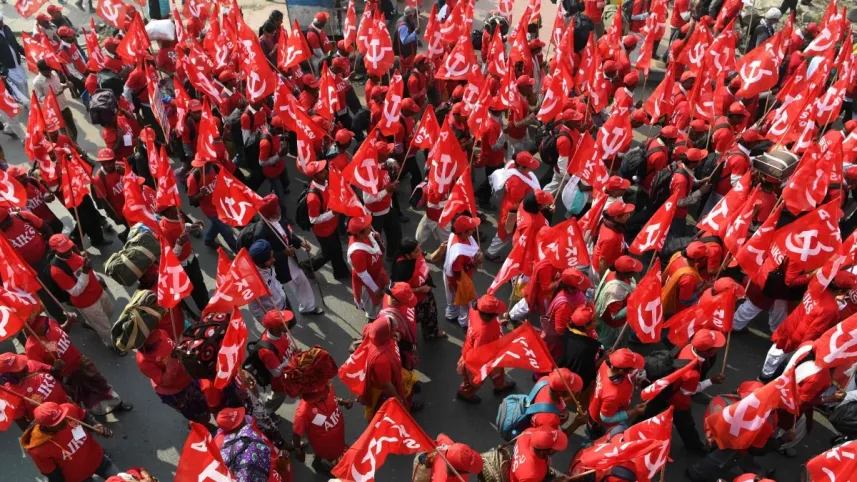
Ending the decade-long rule of the Left Democratic Front (LDF), the Congress-led United Democratic Front (UDF) swept to victory in the 2026 Kerala Assembly elections on Monday.
This collapse is more than just an electoral setback. With this result, the last bastion of India’s Communist parties has crumbled, decisively for now, with the future hanging in uncertainty, when the leftists are embroiled in a battle for survival.

For the first time since 1977, the Left will not govern a single Indian state. The Communist parties had always maintained a foothold in power -- whether in Kerala, West Bengal, or Tripura, though the political landscape in national stage shifted.
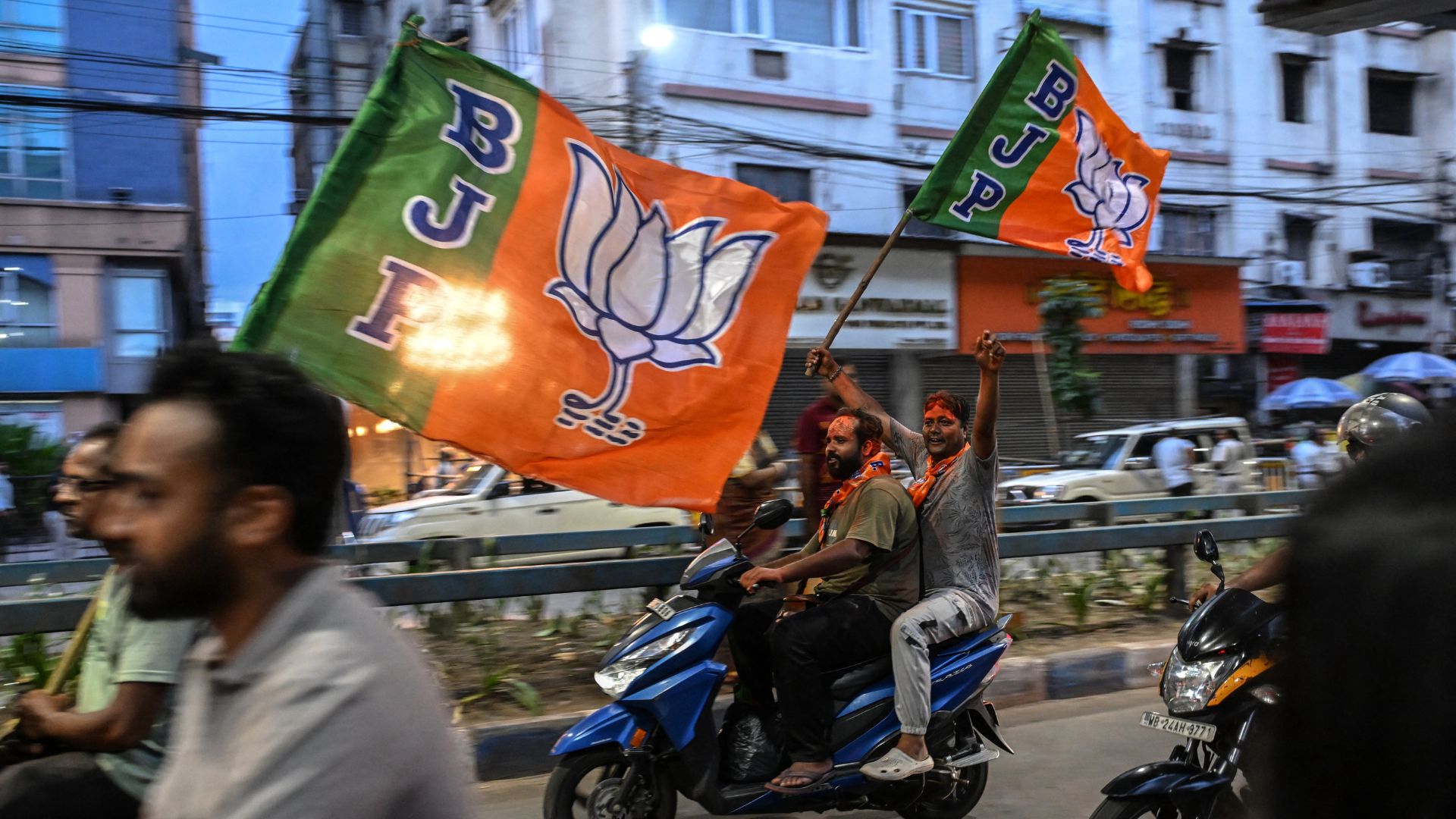
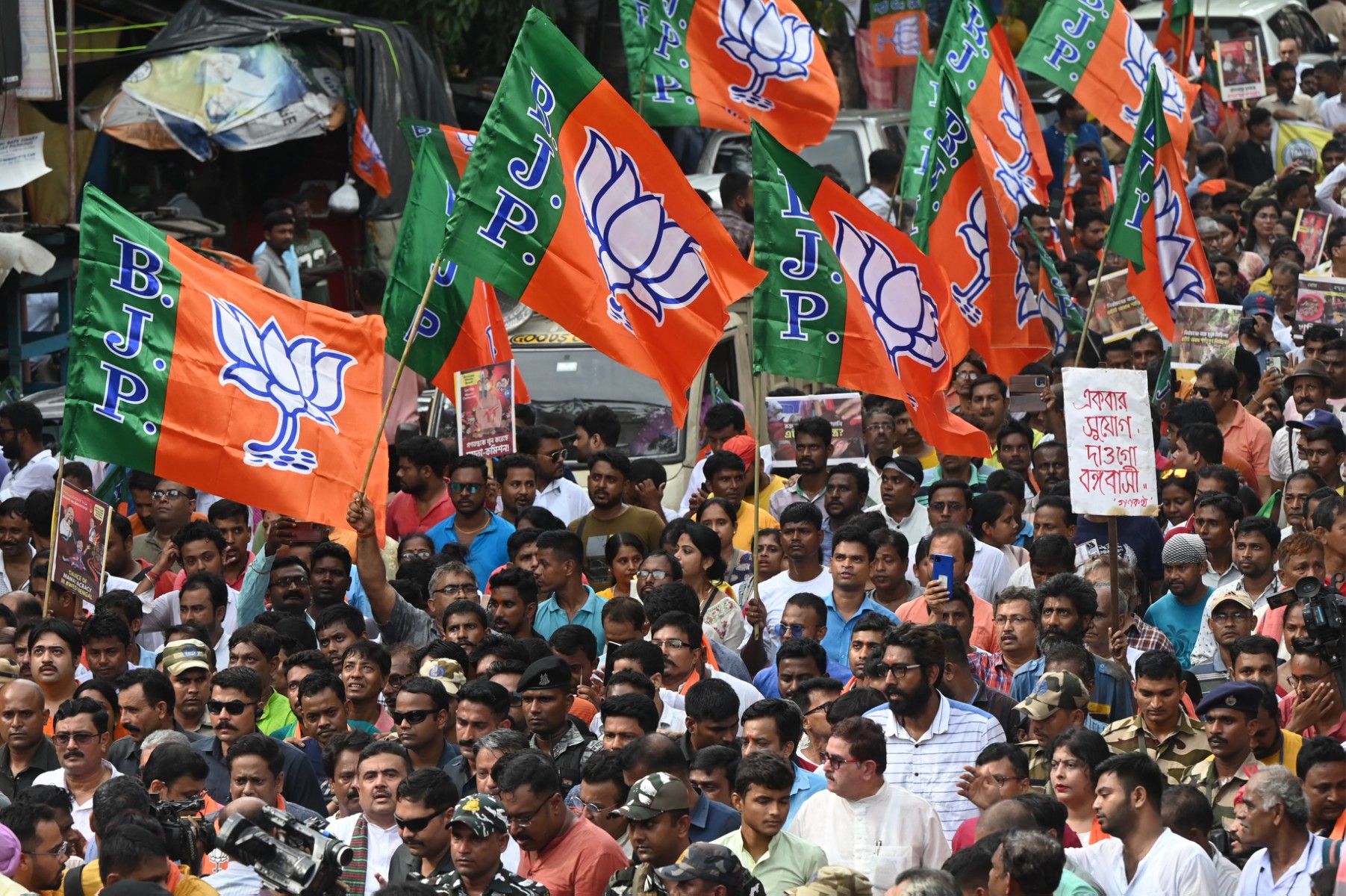
But Kerala is not the only state where the Left parties have fared poorly in the just-concluded Assembly polls. Communist Party of India (Marxist) has only secured one seat in West Bengal out of 294. In Tamil Nadu, CPM (M) and Communist Party of India both won two seats each in the 234 assembly.
The Left Front in West Bengal held sway from 1977 until 2011, shaping the state’s politics for over three decades.
In Tripura, their dominance lasted from 1993 until 2018.
The only solace for the Left after losing these bastions was Kerala. The state, meanwhile, became the alternating arena where the LDF and UDF traded power in cycles. The Left had returned in 2016, holding office until this latest defeat.
“The latest blow to the Left parties in Kerala is bound to further reduce their relevance in national politics. Comrades were once a dominant force in national politics and quite often punched above their weight,” The Statesman reported.
Other Indian media reported that, the LDF made history by regaining the power in 2021 -- a feat no government had achieved in the state since 1970. Back then, the leftist government earned widespread praise for its response to the catastrophic 2018 floods, the worst Kerala had seen in a century. The government became almost a saviour-like, ensuring safety and relief for the people.
When Covid-19 struck in 2020, the administration once again impressed by providing food, medicines, and ventilators.
Deccan Chronicle reported, however, from 2021 to 2026, the Left saw a steady decline. Corruption scandals emerged, drawing in even Chief Minister Pinarayi Vijayan and his family, while allegations of massive financial irregularities in cooperative banks further damaged the government’s reputation.
The LDF lost successive by-elections, secured just one of 20 seats in the 2024 Lok Sabha polls, and suffered a heavy defeat in the 2025 local body elections -- clear signs the public wanted change.
Despite pouring crores into publicity drives, the government couldn’t win back trust. Vijayan’s alleged authoritarian approach and quick temper alienated many. Observers noted that since becoming chief minister, he had centralised power, weakening the party’s internal democracy.
His 2016 cabinet had included senior leaders like Thomas Isaac and KK Shailaja, but in 2021 he replaced them with younger, less experienced ministers whose voices were mostly muted. Decision-making shifted away from the once-powerful LDF state committee, which met only rarely during this time.
Kerala saw the first leftist government in India. It was in power from April 1957 to July 1959. But it was dismissed by the central government, after they started land and educational reforms.
The fall of the leftists in India has been a slow, steady erosion rather than a sudden collapse.
 For all latest news, follow The Daily Star's Google News channel.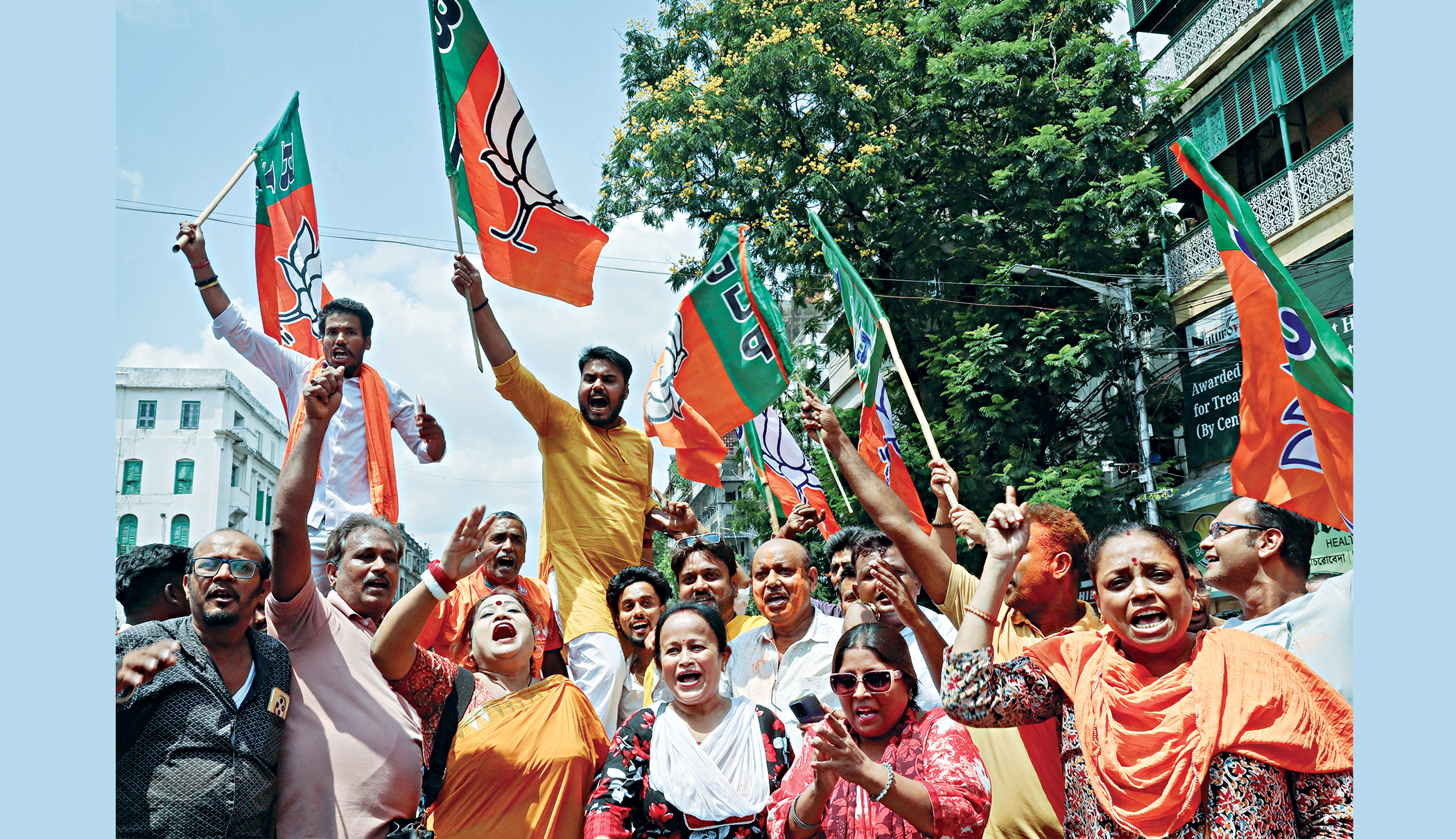
West Bengal was once the beating heart of India’s Communist movement. The Left Front ruled there from 1977 to 2011, led first by Jyoti Basu and later Buddhadeb Bhattacharjee. That era ended when Mamata Banerjee’s Trinamool Congress swept to power in 2011, riding a wave of anger over land acquisition battles in Singur and Nandigram.
Tripura followed in 2018, when the Bharatiya Janata Party ended 25 years of uninterrupted Left rule with a decisive victory.
There was a time when the Left had important position in India's national politics. In 1996, CPI(M) stalwart Jyoti Basu was even considered for the post of prime minister in the United Front coalition. The party rejected the offer -- a decision Basu later called a “historic blunder”.
As late as 2008, Left parties still held enough clout to support the Congress‑led UPA government in parliament. That partnership collapsed over an Indo‑US deal, forcing a trust vote and marking the beginning of the Left’s retreat from national relevance.
Even in India’s parliamentary elections, the left has seen a steady decline -- from 1962 in the 2004 election, to just eight seats now.
Comments