


What does the arrest of Australia’s most-decorated living soldier mean for war crimes justice?

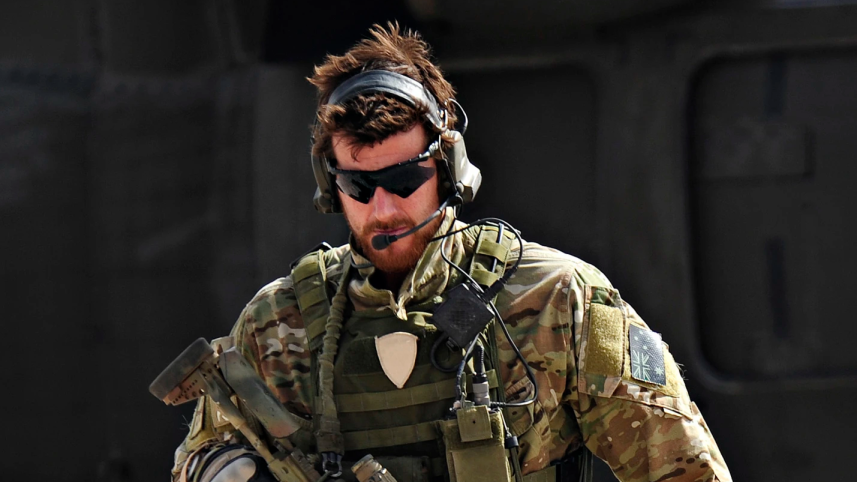
The war in Afghanistan was sold to the world as a necessity. What it became, over two grinding decades, was something murkier and far more troubling. Beneath the rhetoric of freedom and security, there accumulated a ledger of acts that did not belong to war’s harsh logic, but to its abuse.
For years, those acts hovered in a fog of denial. Allegations surfaced, were dismissed, buried, or diluted into bureaucratic ambiguity. It does not hold anymore.

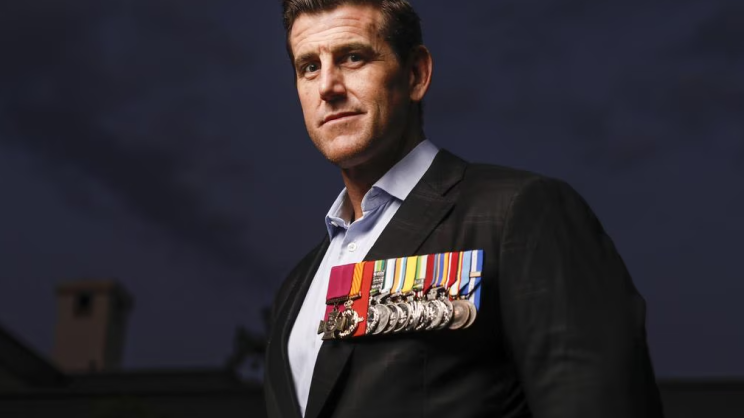
The arrest of Ben Roberts-Smith, Australia’s most decorated living soldier, is not just another legal development. Charged with five counts linked to murder during his deployment in Afghanistan, he now stands at the centre of a case that cuts through years of obfuscation.
Prosecutors allege that between 2009 and 2012, unarmed detainees were killed -- some by his own hand, others allegedly at his direction. In 2023, a civil court had already found, on the balance of probabilities, that Roberts-Smith was involved in the killing of unarmed Afghans.
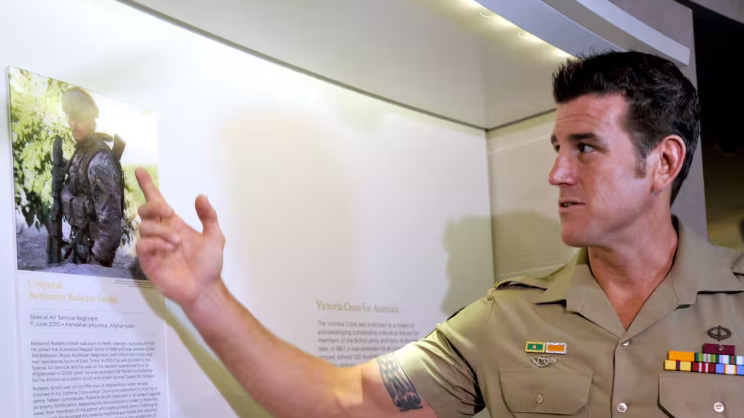
The findings were chilling, not just for what they described, but for how routine the violence appeared. Prisoners shot. A bound man was kicked off a cliff. A prosthetic limb taken as a trophy.
He has denied it all. That denial will now be tested where it matters most -- in a criminal court. Yet focusing solely on one man risks missing the larger truth. This is not just about one soldier. It is about a system that allowed such allegations to fester for years without consequences.
The Brereton Report in 2020 had already laid the groundwork. It found credible evidence that Australian special forces unlawfully killed 39 people in Afghanistan and pointed to a culture in which such acts were not aberrations, but patterns. Patrol commanders, it suggested, cultivated practices that normalised violence against detainees.
The revelations shattered any lingering illusions of moral clarity. And still, justice moved at a crawl. The machinery of justice struggled to reach across continents and into the ruins of a conflict already consigned, politically at least, to the past.
But delay does not erase culpability and Afghanistan was never an isolated case. The wider “war on terror” repeatedly tested the limits of law and conscience. From detention abuses to civilian casualties, from secretive operations to drone strikes that blurred the line between combatant and bystander, the pattern is unmistakable.
The language of necessity became a shield behind which excess could hide. This is the original sin of such wars -- they are fought in the name of order, yet risk unravelling the very norms that define it. That is why this arrest matters.
What is happening now is not the rewriting of history. It is the refusal to sanitise it.
The war in Afghanistan is over but its moral reckoning is not.
 For all latest news, follow The Daily Star's Google News channel.
Comments