


Literature born from the fight for Bangla
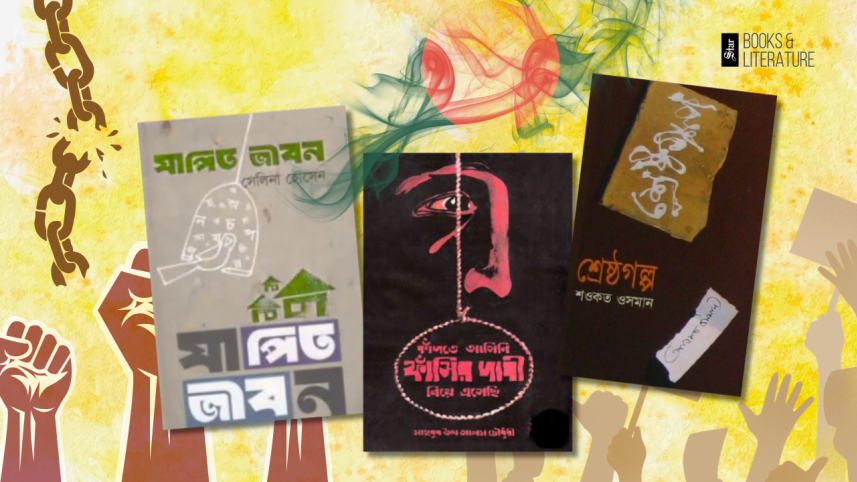
The streets hum before anyone even steps onto them. You can almost hear whispers running ahead of the slogans, see shadows hesitating at the edges of open grounds, feel the nervous pulse of a city waiting for something it cannot quite name. Even today, paying attention to what is happening around us is just as important as it was back then. History has a way of sneaking up on us, and sometimes it yells so loudly that ignoring it is not really an option. Reading these literary works born from the 1952 Language Movement today reminds us of the sacrifices endured by those who fought for Bangla and shows how literature has always been one of the sharpest ways to preserve memory and keep their struggle alive.
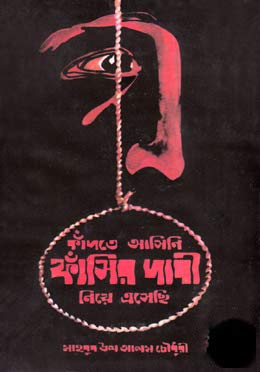

“Kandte Ashini, Phanshir Dabi Niye Eshechhi"
Mahbub Ul Alam Chowdhury
1952
The poem carries the sound of hurried footsteps, the weight of bodies falling, and the sharpness of shock that had not yet hardened into memory. The voice is urgent and unsoftened, refusing to mourn quietly and instead demanding justice for the students who were shot while defending their mother tongue. Knowing that the poet wrote it on the night of February 21, 1952, while feverish, and that the government immediately banned it and issued an arrest warrant, makes the poem almost unbearable in its immediacy. The poet does not come to cry for the dead but to demand justice for them, to insist that their blood has rewritten history. What makes this poem impossible to forget is how it turns sorrow into resolve. Reading it today, you feel how poetry became a tool of resistance, born in fire and unwilling to wait.
Mon o Moidan
Shahed Ali
Sainik, 1950
Standing still while the city slowly gathers its courage. The hesitation is quiet but heavy, the kind that settles in the chest as distant slogans float through the air. It is a feeling most of us recognise, that moment of wondering whether stepping forward is worth what it might cost. Similarly, the protagonist watches from the edges, noticing how students and civilians spill into public spaces that were once parade grounds and turn them into sites of demand. Tension swells without a single drop of blood, through whispered plans, swelling crowds, and the realisation that language itself has become a rallying cry. Unlike stories written after the movement that focus on loss and violence, this one captures the moment when a dormant identity is waking up, and the streets feel charged with possibility, two years before the climax. It vividly traces the buildup of socio-political tension around the state language. By the end, it is clear that stepping forward is no longer just about politics, as if refusing to join would mean erasing something essential from oneself.
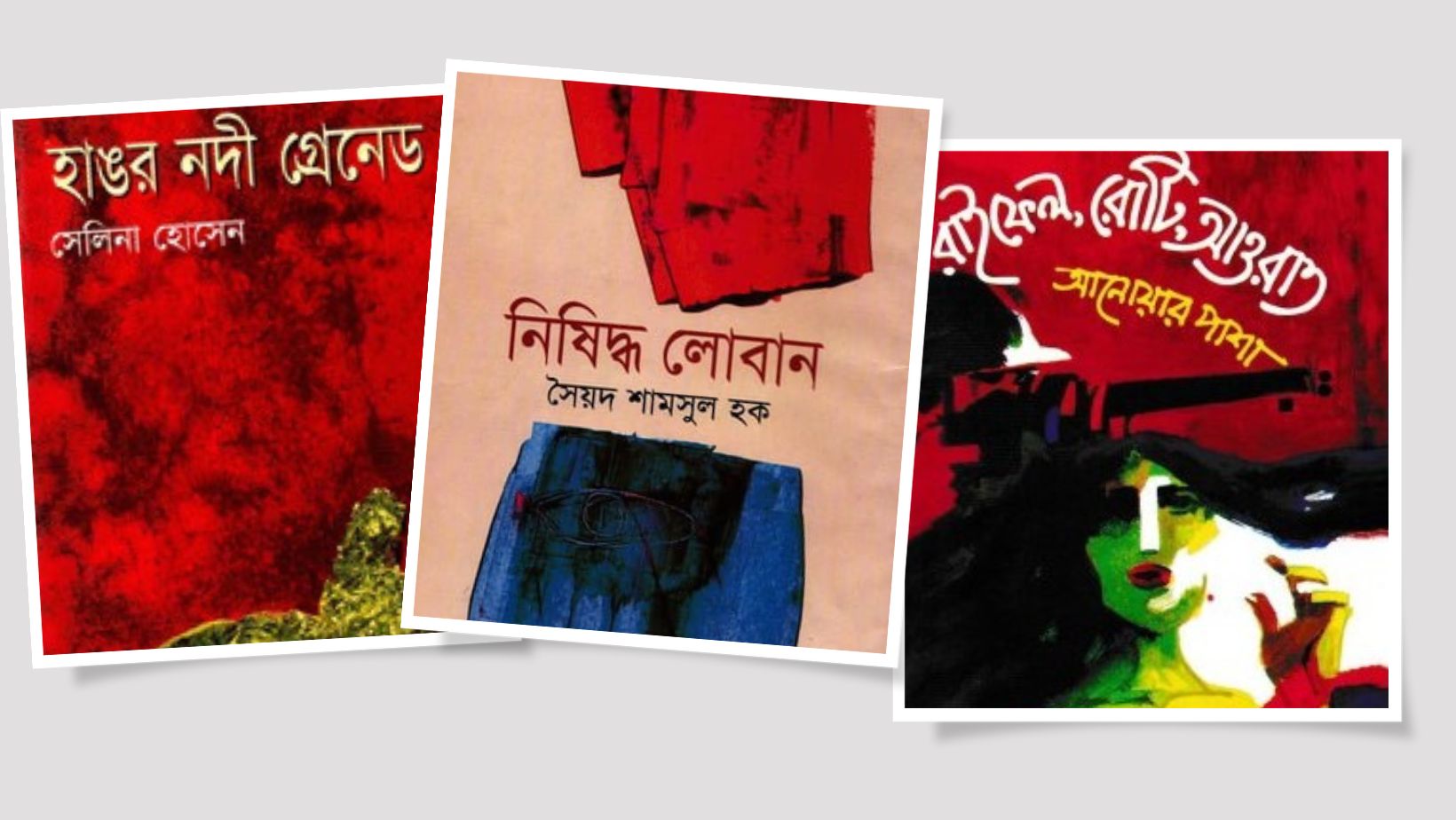
Bibaho
Momtazuddin Ahmed
Kashbon Prokashon, 1960
What does a widow inherit when the nation calls her husband a martyr? This play opens in that quiet, unbearable space where public slogans cannot reach, inside a household where absence sits heavier than pride. At its centre is Sakhina, left behind after her husband is killed during the 1952 protests, and the story unfolds through her grief rather than the street’s roar. She is expected to mourn, but also to feel honoured. To break, but also to stand tall. Through her, the play captures the split within Bengali consciousness itself, where personal loss collides with collective aspiration for linguistic freedom. Written by the inspiring playwright, Momtazuddin Ahmed, who was deeply involved in the Language Movement, the work feels intentional in its restraint. There are no grand speeches, only the slow realisation that political struggle does not end with martyrdom. It enters living rooms and reshapes relationships.
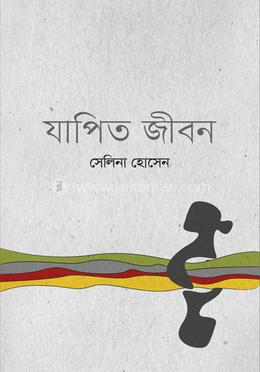
Japito Jibon
Selina Hussain
Saptapadi, 1981
It begins in the unsettled quiet after the partition, when home feels provisional and identity still negotiable. The narrative unfolds slowly through those in-between years, allowing uncertainty to seep into everyday life as East Bengal adjusts to new borders and new promises. At its centre is Jafar, an ordinary man whose private struggles mirror a sense that something essential is being misnamed and pushed aside. As language begins to surface as a point of tension, his world widens from personal survival to collective responsibility. The movement threads itself through conversations, disillusionment, and a deepening awareness that belonging cannot be dictated from elsewhere. When the story reaches 1952, the streets fill, and the stakes become irrevocable. By the end, home is no longer defined by faith or geography but by the right to speak Bangla and be heard. Reading it, you feel how the Language Movement rewrote the meaning of identity itself, turning Bangla into the emotional centre of a newly forming consciousness.
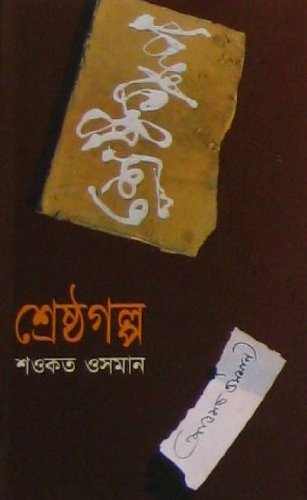
Artonad
Shawkat Osman
Agami Prokashoni, 2011
The violence of the movement is not softened here, nor pushed safely into the distance of history. You feel bodies falling, panic rippling through crowds, and the shock of realising that language can be met with bullets. The story follows Ali Jafar, a struggling migrant leaving his rural village to face the crowded, unforgiving streets of the city. Through his eyes, we witness the early stages of urban migration and the harsh realities of city life and the indignity of survival for those on the margins. As Jafar navigates the city, the narrative traces how these structural pressures intersect with the awakening spirit of the 1952 Language Movement, showing that the fight for Bangla was part of a larger struggle for identity and belonging. While going through the novel, you feel the psychic weight of a nation confronting brutality while learning that resistance begins in the mind as much as on the streets.
Agnila Roy loves diving into history through books and wants to know what you are reading, too. Send her your recommendations at agnilaroyy@gmail.com.
 For all latest news, follow The Daily Star's Google News channel.
Comments