


How Bangladesh got caught in a rising debt burden



Highlights
- Operational budget deficit forces persistent borrowing
- Public debt hits 41 percent of GDP
- FY26 debt servicing to reach $30.59b
At one time, it was possible to finance a portion of development expenditure through revenue surplus. However, in recent years, not only development expenditure but even the operational budget has had to be financed through borrowing.
The deterioration has been rapid since fiscal year 2022-23, when actual revenue fell Tk 463 crore short of what was needed just to cover operating expenditure. The gap was plugged through borrowing.

The following year, that shortfall shot up to Tk 3,630 crore. By FY25, the entire Annual Development Programme (ADP), the primary fiscal instrument for financing public sector development, had to be financed through loans.
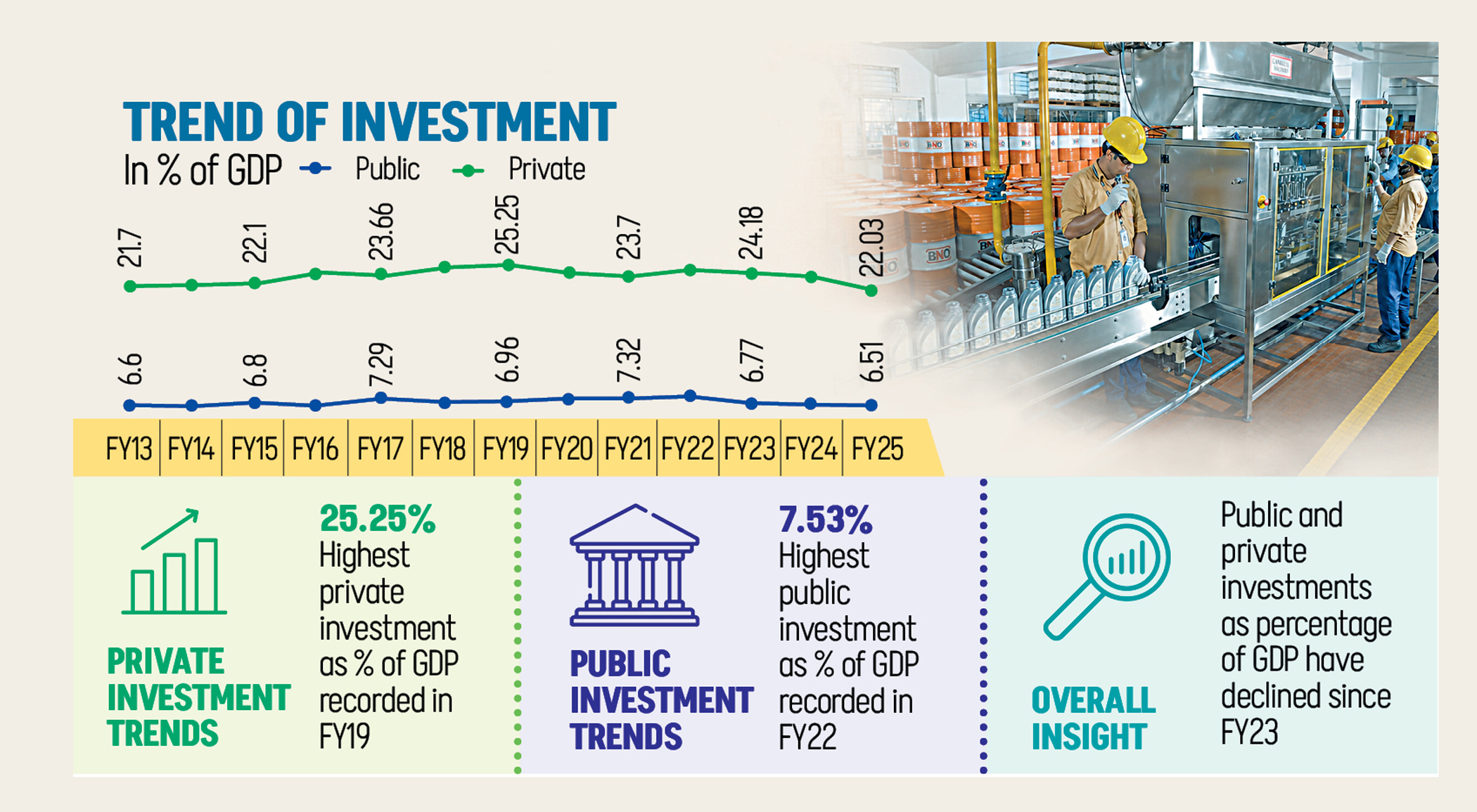
The roots of the problem lie in a combination of the government taking up large mega-projects, expanding budgets, but failing to grow revenue collection as required. As the gaps between expenditure and revenue grew larger over the years, the necessary money came through loans.
By FY25, Bangladesh’s total public debt reached $188.79 billion, equivalent to 41 percent of GDP, according to the IMF’s latest Article IV Consultation Report. The rate was 39 percent in FY24.
The IMF, one of Bangladesh’s biggest multilateral lenders, has responded by moving the country from a low-risk to a moderate-risk classification in its debt sustainability analysis, reflecting deteriorating metrics across debt volume, debt servicing relative to GDP, exports, and revenue earnings.
The mounting repayment obligations are emerging as one of the biggest challenges for the BNP-led government as it prepares its first budget since coming to power in February.
What makes this particularly pressing is the speed at which debt servicing – the combined cost of repaying principal and paying interest – is rising.
In its Consultation Report, IMF projected Bangladesh will spend $30.59 billion servicing public debt in the ongoing FY26 – covering both principal and interest on domestic and foreign loans. In FY25, the figure was $26.63 billion, and in the upcoming FY27, the amount is expected to reach $33.84 billion.
Much of this pressure stems from non-concessional foreign loans taken in earlier years, carrying higher interest rates and shorter grace periods, say economists. Successive governments also borrowed heavily to finance mega-projects and sustain the budget during and after the Covid-19 pandemic, obligations that are now coming due, they also note.
The growing repayment burden is narrowing fiscal space and making budget management increasingly difficult.
To reduce exposure to foreign exchange risk and build a more resilient fiscal framework, governments have increasingly turned to domestic borrowing.
But this shift has driven up interest costs sharply.
In FY25, of the total money spent by the government on servicing debt, 89.4 percent accounted for domestic loans, significantly above comparable economies, according to the IMF.
The Fund also warned that heavy reliance on bank borrowing risks crowding out private-sector credit, adding pressure to an already strained financial system.
Without improvements in revenue collection, the debt servicing burden will become increasingly more difficult.
“The elevated debt service-to-revenue ratio, including interest payments, poses significant rollover risks over the medium term,” it said.
Bangladesh’s tax-to-GDP ratio remains below 7 percent, one of the lowest in the region, limiting the government’s capacity to manage rising debt obligations.
 For all latest news, follow The Daily Star's Google News channel.
Former finance adviser Salehuddin Ahmed, in a note to his successor, said loan repayments were growing faster than export earnings and government revenues. He urged the new government to prioritise stronger revenue mobilisation and cautioned against taking high-interest non-concessional loans.
The IMF and economists alike stress that without serious reforms in revenue administration, banking governance, and debt management, financing future budgets without destabilising public finances will become increasingly difficult.
Comments