


Banks cleared to launch ‘e-loan’ up to Tk 50,000
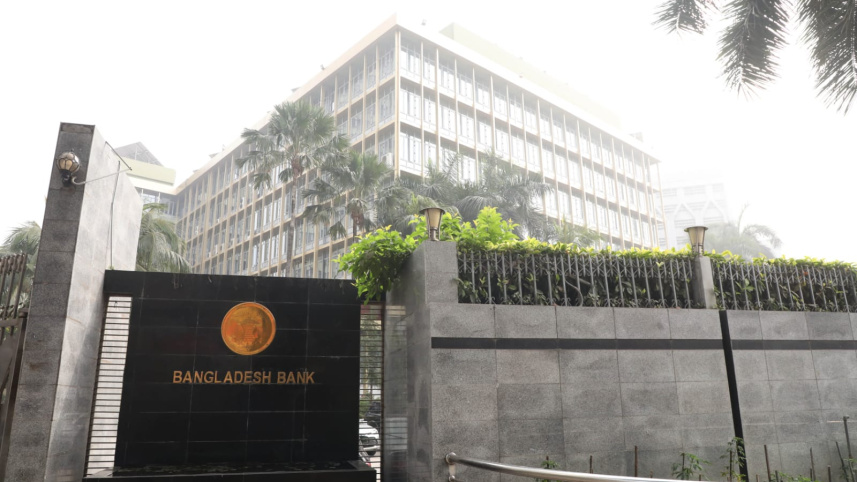
The Bangladesh Bank (BB) has allowed scheduled banks to launch fully digital “e-loan” services of up to Tk 50,000, stepping up efforts to widen financial inclusion and support the transformation towards digital transactions.
In a circular issued today, the central bank said customers will be able to take e-loans for up to 12 months through end-to-end digital processes. These will cover customer onboarding, loan approval, disbursement and recovery.

Banks have been instructed to include the term “e-loan” in the service name and ensure that all stages of lending are conducted digitally, without physical documents or branch visits.
The move comes at a time when digital lending services are rapidly expanding globally due to increasing smartphone penetration, internet usage and mobile financial service adoption.
In many countries, banks and fintech firms now offer instant small-ticket loans through banking apps, e-wallets and other digital platforms, expanding access to credit and reducing reliance on informal borrowing.
The BB said the increasing use of digital devices in banking, along with expanded internet and mobile network coverage, has raised demand for digital lending through internet banking, mobile apps, mobile financial services and e-wallets.
“The availability of such services can play a vital role in promoting financial inclusion, familiarising marginal populations with digital financial services, and achieving the vision of a cashless society,” the central bank said in the circular.
Banks will be allowed to set market-based interest rates for e-loans. However, the rate cannot exceed 9 percent if they avail themselves of refinancing facilities.
The central bank has instructed lenders to clearly communicate all loan-related information, including annual interest rates, tenure, repayment methods, the disbursement process and any additional charges, before obtaining customer consent.
Banks have also been asked to take necessary steps to improve customer-level financial literacy regarding digital loans.
To strengthen security, the BB said customer identity verification must be conducted through biometric authentication alongside OTP and two-factor authentication (2FA) or multi-factor authentication (MFA), where necessary.
However, agents or third parties engaged by banks will not be allowed to store customers’ biometric data.
The central bank directed commercial lenders to follow existing rules on interest calculation, fees, loan classification and provisioning, while prohibiting CIB inquiry charges for e-loans.
Banks must prevent defaulted borrowers from accessing such loans by verifying existing liabilities before disbursement.
The central bank also mandated a six-month pilot before commercial launch and stressed strict compliance with cybersecurity and data protection laws, requiring all customer and loan-related data to be stored within Bangladesh.
Bangladesh has already experience in digital nano-lending through partnerships between banks and mobile financial service providers. In 2021, bKash and City Bank jointly launched an instant nano-loan service that offers small loans to selected users through the bKash app.
Several other banks have introduced digital lending products.
Dhaka Bank launched “e-Rin”, an end-to-end digital nano-loan service through its mobile app. Prime Bank introduced “PrimeAgrim” through its app, while BRAC Bank has also rolled out digital lending services.
 For all latest news, follow The Daily Star's Google News channel.
Comments