


Gold sees Tk 36,000 price cut in three weeks

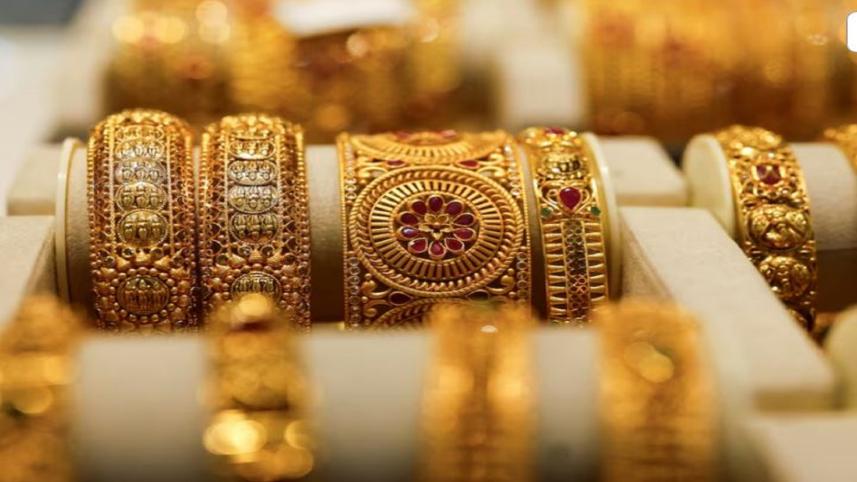
Domestic gold prices have fallen by nearly Tk 36,000 per bhori over the past 23 days, driven by a sharp decline in global rates amid shifting geopolitical tensions in the Middle East.
The price of gold per bhori stands at around Tk 2.41 lakh today, down from around Tk 2.77 lakh on March 3, according to data from the Bangladesh Jewellers' Association (Bajus).

The domestic market has adjusted prices 12 times between March 1 and March 25 this year, with 10 of those changes reflecting downward revisions.
The decline comes after a months-long rally that saw gold prices more than double in just over a year.
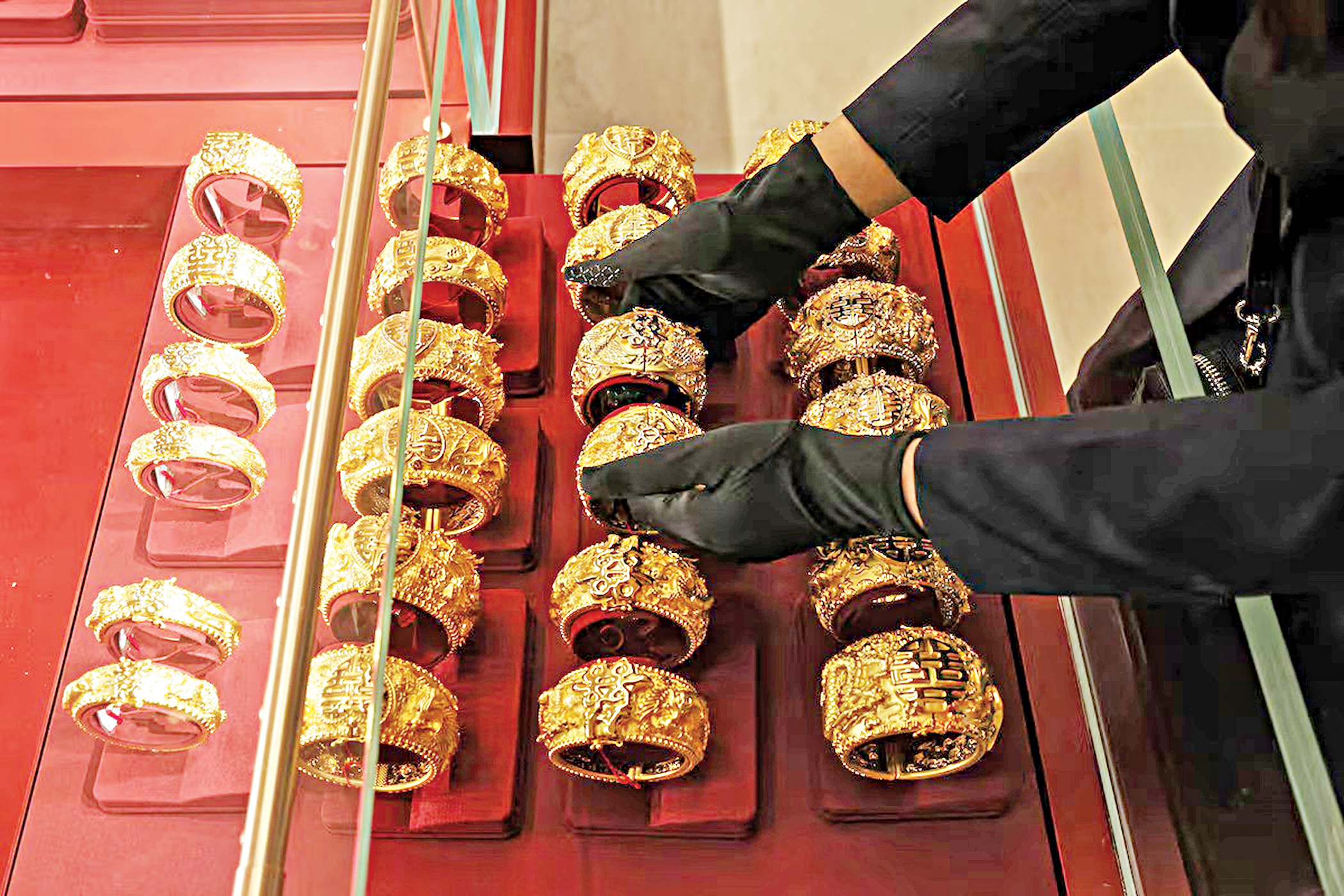
In January last year, 22-carat gold was priced at around Tk 1.40 lakh per bhori. By the start of this year, it had risen to Tk 2.22 lakh and peaked at Tk 2.86 lakh on January 29, 2026.
The recent drop mirrors volatility in international markets, where gold prices have fallen by $757.43 per ounce over the past 30 days.
On Monday, spot gold briefly touched $4,100 per ounce, its lowest level since December 11 last year, before recovering to $4,545.34 by Sunday, buoyed by a weaker dollar and falling oil prices.
The rebound followed US President Donald Trump's announcement of a five-day delay in planned strikes on Iran's power plants, which also sent crude oil prices down by 13 percent. However, the recovery has not offset the broader monthly decline.
Bajus said prices of pure gold have fallen in the country’s bullion market, prompting an adjustment in gold rates. However, the main reason behind the decline is the continued drop in global gold prices.
Dewan Aminul Islam Shahin, chairman of Bajus’ standing committee on pricing and price monitoring, told The Daily Star that local gold prices depend on multiple factors—international benchmarks, import costs, and demand.
He explained that local prices reflect a lag tied to import cycles. Gold imported into Bangladesh undergoes 12 to 15 days of processing before reaching retail outlets, which delays the transmission of international price movements.
"International gold markets have been highly volatile, with prices swinging sharply within hours," Shahin said. "Gold tends to rise during global crises, such as wars or energy shortages, and falls when there are signs of peace."
An industry expert said renewed conflict could reverse the downward trend. "If the war prolongs and damage continues to increase, gold could once again become attractive to investors."
Meanwhile, international analysts expect gold’s real yields to continue moving higher, according to a Reuters report.
With hopes of de-escalation in the Middle East conflict, and as USD strength eased, safe-haven demand is starting to reassert itself.
"This reinforces the view that gold didn't lose its safe-haven appeal. It was briefly crowded out by the USD, and now that pressure is easing," Christopher Wong, a strategist at Singapore-based OCBC, told Reuters.
He also said gold remains sensitive to US Federal Reserve policy expectations, dollar strength, and geopolitical developments. "The rebound suggests dips may continue to find support unless real yields move meaningfully higher."
 For all latest news, follow The Daily Star's Google News channel.
Comments