


Motherhood, unfiltered: 6 books for a more honest Mother’s Day
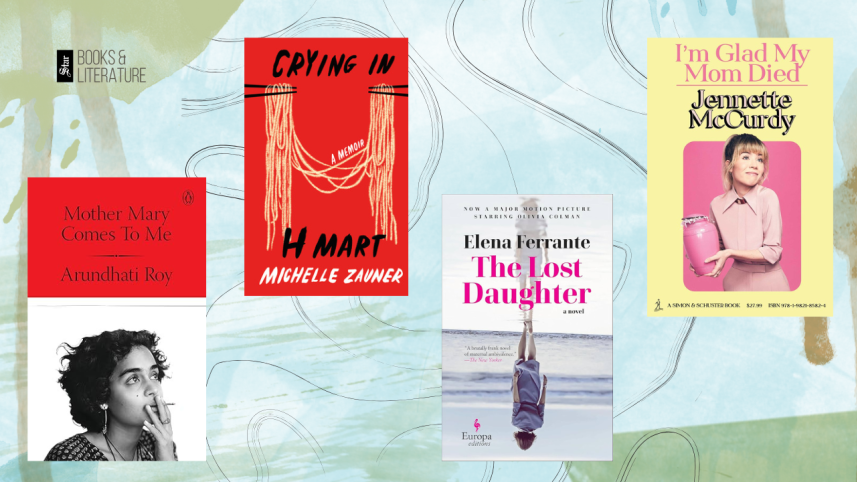
There is no single face to motherhood. It is tender, tyrannical, sacrificial and suffocating, found and forever mourned. On Mother's Day, these books offer a truer reckoning.
On neglectful and fractured motherhood
Burnt Sugar
Avni Doshi
Hamish Hamilton, 2019

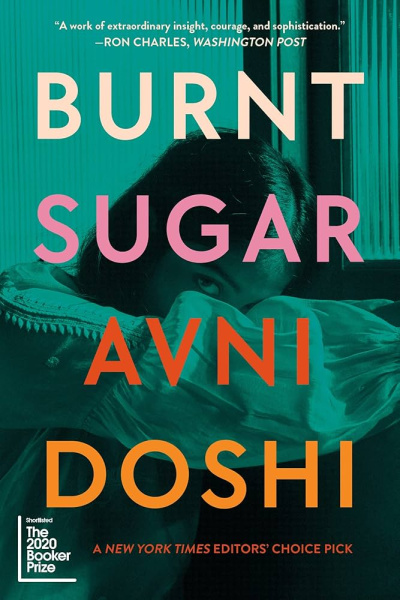
Avni Doshi's Burnt Sugar (Hamish Hamilton, 2019) opens on a daughter who admits, without flinching, that her mother's suffering has sometimes brought her pleasure. Bohemian, self-absorbed, perpetually absent even when physically present, the mother drifts through her daughter Antara’s childhood like smoke: impossible to hold, impossible to ignore. She chooses ashrams and lovers over school pickups, leaves Antara in the care of strangers, and then, as dementia begins to loosen her grip on memory, expects to be tenderly received. Doshi writes neglectful motherhood not as a clean absence but as a cycle of abandonment and demand.
On abusive and consuming motherhood
I'm Glad My Mother Died
Jennette McCurdy
Simon & Schuster, 2022
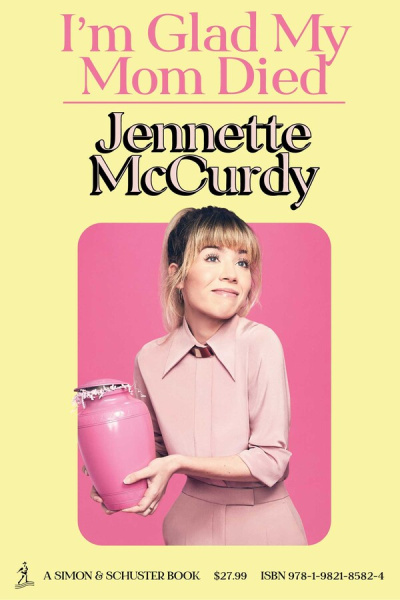
Jennette McCurdy's memoir I'm Glad My Mother Died (Simon & Schuster, 2022) is something raw yet explosive. McCurdy's mother induces an eating disorder in her young daughter, controls her career, monitors her body, and manufactures a dependency so total that McCurdy spends years unable to distinguish love from captivity. What makes the book devastating is not the abuse itself but how completely it was marketed to her in devotion, the way a mother's emotional hunger can hollow out a child while the world applauds the closeness.
On isolated and emotionally exhausted motherhood
Rebirth
Jahnavi Barua
Penguin, 2011
Jahnavi Barua's Rebirth (Penguin, 2011) is comparatively quieter, more interior, and in many ways more insidious. Her protagonist navigates pregnancy and early motherhood in Assam, hemmed in by a husband's expectations and a domestic life that offers no language for her own unravelling. Barua writes the isolated mother with a poet's precision: the particular exhaustion of a woman who loves her child and simultaneously feels herself disappearing, who finds no one around her curious enough to ask if she is alright. There is no villain here, but the slow, structural erosion of a self.
On ambivalent motherhood
The Lost Daughter
Elena Ferrante
Europa Editions, 2008
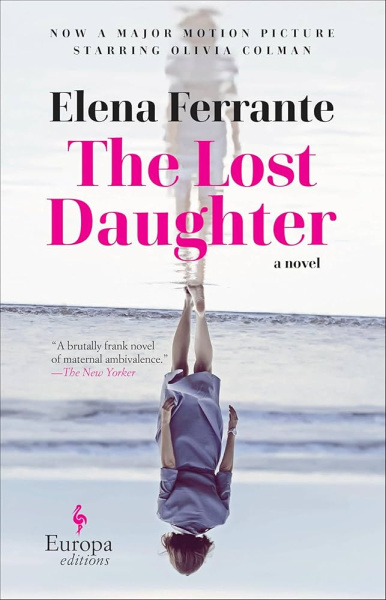
Elena Ferrante's The Lost Daughter (Europa Editions, 2008) is about Leda, a middle-aged academic on holiday, who watches a young mother on the beach and grows consumed by memories of the years she abandoned her own daughters to follow her ambitions. Ferrante does not punish Leda, nor does she absolve her. The novel sits inside the ambivalence without resolution, insisting that a mother can love her children deeply and still find motherhood unbearable.
On motherhood through grief and memory
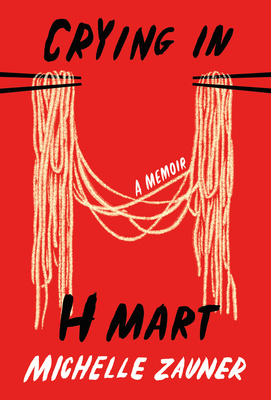
Crying in H Mart
Michelle Zauner
Knopf, 2021
Michelle Zauner's Crying in H Mart (Knopf, 2021) grieves backwards. Her mother, who was demanding, exacting, fluent in criticism, loved through food, through the precise preparation of Korean dishes that carried more tenderness than she ever put into words. After her death from cancer, Zauner returns to those recipes compulsively—cooking as an act of mourning, eating as a way of keeping her mother's hands alive inside her own. It is a book that understands how love and difficulty can be indistinguishable in a person.
On paradoxical and formidable motherhood
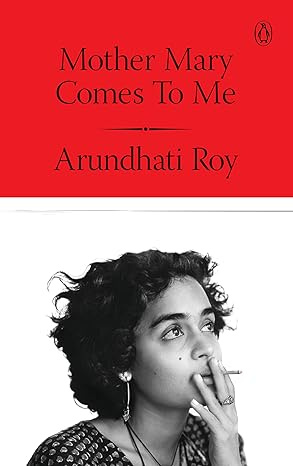
Mother Mary Comes to Me
Arundhati Roy
Penguin Books, 2025
Arundhati Roy’s memoir Mother Mary Comes to Me (Penguin Books, 2025) closes this collection with the maternal as icon and impossibility: divine and burdened, worshipped and exhausted all at once. Roy examines the image that culture constructs and women are asked to inhabit—formidable, contradictory, elevated so high that her humanity is the first thing sacrificed.
Ultimately, these authors reject the fantasy of the flawless matriarch, proving that devotion and ambivalence are often delivered from the exact same source. This Mother’s Day, let us celebrate the mothers who nurtured us, mourn the ones we’ve lost, and hold space for those whose experiences of motherhood exist in the shadows.
Kazi Raidah is a contributor.
 For all latest news, follow The Daily Star's Google News channel.
Comments