


Addressing the ‘Elephant in the Fog’ and how we treat our ‘others’


There was not a single dry eye in the theatre full of international directors, critics, and journalists at the Salle Debussy after the momentous climax of “Elephants in the Fog”, Nepal’s first official entry into the Cannes Film Festival.
Abinash Bikram Shah, a mercurial director who formerly worked for Nepal’s Tourism Board, broke down completely, as did the rest of his cast and crew. The emotional release came after the audience started mimicking and paying homage to the three-clap cycle synonymous with the Kinnar community, which the film so earnestly portrays. The very instrument often used to mock members of this marginalised community had transformed into a tribute, as the standing ovation lasted for 10 minutes.
“#ElephantsintheFog” serves as a testament to how Nepal’s #legalfight has historically leaned toward a broader #humanrights framework, granting an "#others" category on citizenship documents based on self-identification.
— The Daily Star (@dailystarnews) May 20, 2026
Read here https://t.co/1yelQvSNFb pic.twitter.com/Y4cTUc7bLQ
 For all latest news, follow The Daily Star's Google News channel.
 “Elephants in the Fog”, set against the mysticism of a rural Nepalese village and a looming elephant threat, acts as a canvas for Shah to tell the story of the Kinnar—referred to as the "third gender" or hijra in Bangladesh and India. While heavy prejudice against this community persists across all these states, the Kinnar use a poetic word for an individual’s entry into their community: "Nirvana". Many in this group are former sex workers, survivors of abuse, or abandoned children. Their entry into the community, at least as portrayed in the film, gives them a higher purpose in life: to serve their deity.
Pushpa Thing Lama, an activist from that very community, stepped onto the silver screen for the first time, carrying the film on her shoulders as Pirati. Pirati acts as a mother figure to Apsara (played by Aziz Ghimire), who serves as the central catalyst for the narrative.
The director takes meticulous care to ensure the audience understands the Kinnar's place within society. While they are given space and reverence by this particular village, it is only because they are believed to bring good luck to marriages and encourage fertility.
The character of Pirati, however, is layered. Even though the Kinnar community is traditionally forbidden from partaking in sexual activities, she does so in secret with her troupe’s dhol player. Yet, she simultaneously berates Apsara for "showing her bare ass" while dancing in a pub.
Shah’s directorial talent shines when Apsara goes missing. Pirati’s emotionally taxing journey to find her unfolds against a backdrop of suspicion, where every outsider looks like a suspect. Moreover, the villagers lose their cordiality the moment the police get involved to question them about Apsara’s disappearance.
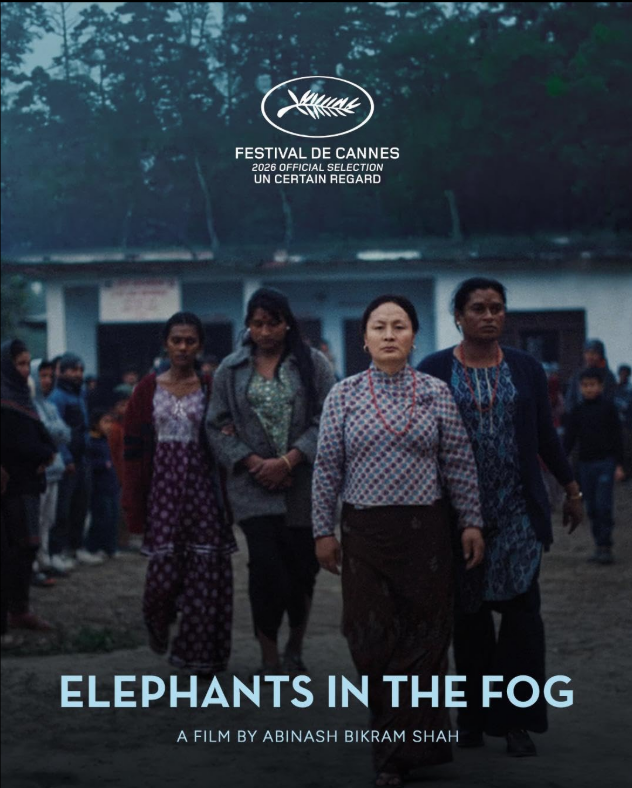
The film demonstrates how easily a harmonious community can pivot to subjugating, harassing, and even assaulting minorities. Yet, it never devolves into a conventional crime thriller, despite that being a tempting impulse for any director. Instead, it highlights the struggle of the community's matriarch simply to be heard.
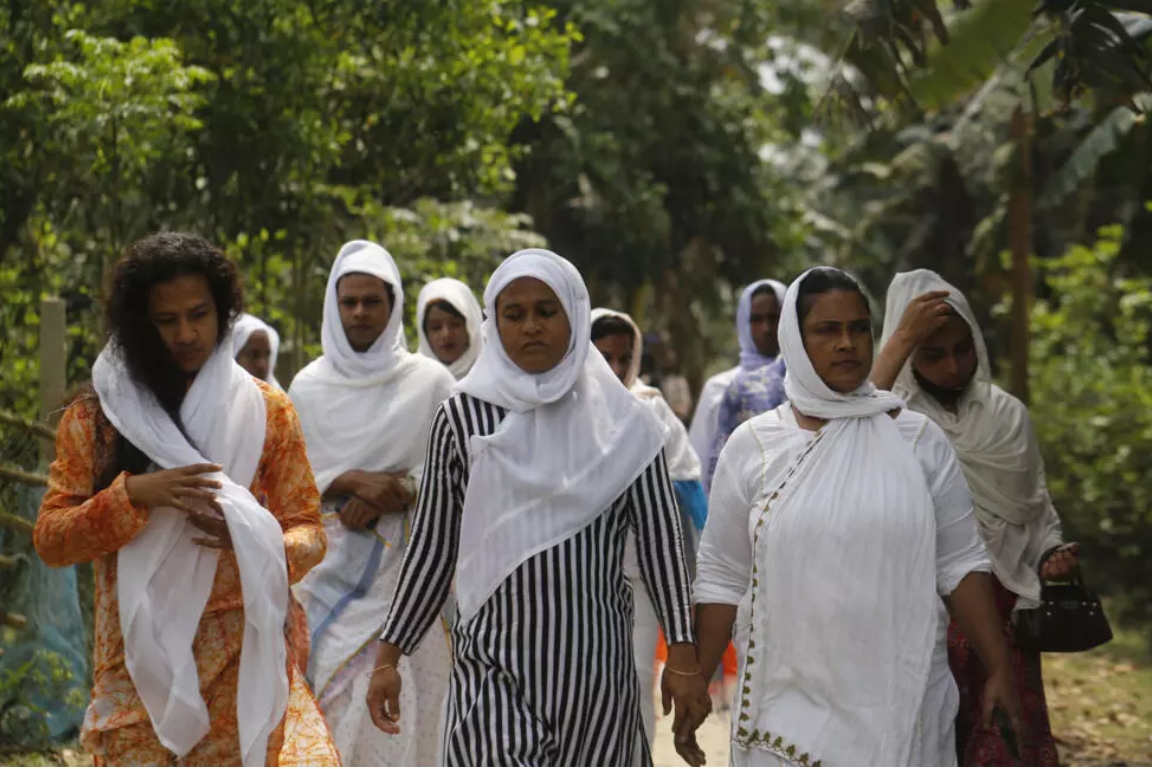
In Bangladesh, the woes of this community remain the same, if not worse. It was only in 2013 that the Bangladeshi government officially recognised hijra as a distinct third gender. Even then, the state specifically chose the cultural term hijra rather than a broader umbrella term that could have humanised a wider group of people. This has created a bureaucratic paradox: medical screenings meant to verify individuals for government jobs or benefits often look strictly for intersex biological traits, inadvertently excluding many transgender women who socially and culturally live as hijra.

“Elephants in the Fog” serves as a testament to how Nepal’s legal fight has historically leaned toward a broader human rights framework, granting an "others" category on citizenship documents based on self-identification. The community in the film reflects a more fluid, local social structure where identity is deeply tied to the Gharana (clan) system rather than strict, state-mandated biological checks.
In real life, the Piritis of this world find it extremely difficult to reclaim their rights through sheer mysticism and unity alone. While Shah shows this beautifully in the film, the ultimate responsibility is left to people like those who so diligently clapped after the screening—to carry and spread the message of tolerance throughout the world.
Comments