


Christopher Nolan hails Satyajit Ray as ‘one of the greatest Indian filmmakers’
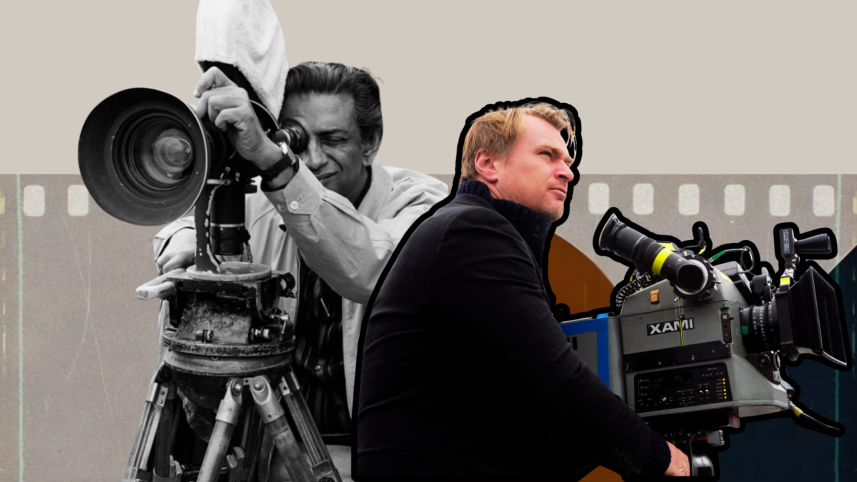
Christopher Nolan has singled out Satyajit Ray as “one of the greatest Indian filmmakers”, praising the enduring power of his landmark “The Apu Trilogy” during a recent visit to the Criterion Collection’s famed Criterion Closet in New York.
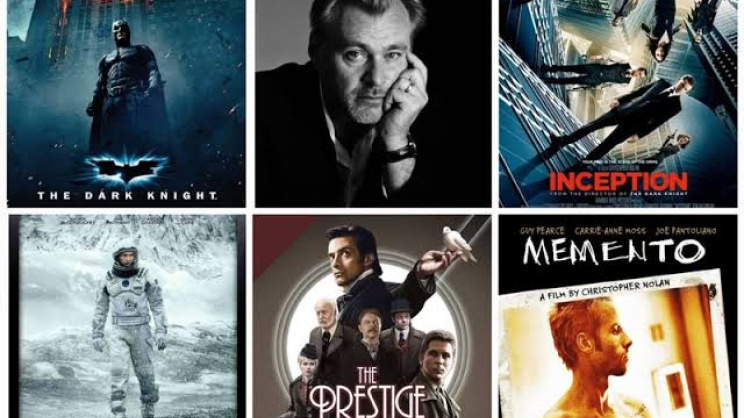
Nolan, the Oscar-winning director behind “Inception”, “Interstellar”, “Dunkirk” and “Oppenheimer”, picked up “The Apu Trilogy” while browsing the collection of films in the closet. Speaking about Ray’s work, he singled out “Pather Panchali” (1955), the first instalment of the trilogy, describing it as “an absolutely incredible film” that “just blew my mind”.

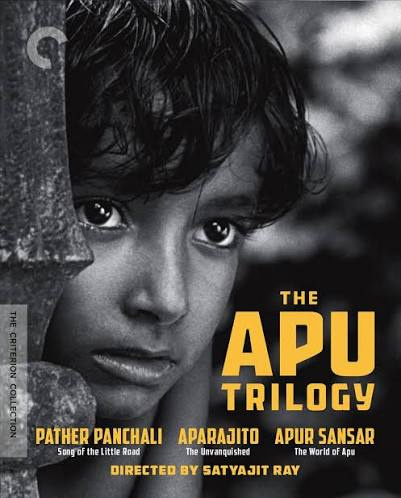
“Then there’s ‘The Apu Trilogy’ by Satyajit Ray, one of the greatest Indian filmmakers. The trilogy starts with ‘Pather Panchali’, which is an absolutely incredible film. It just blew my mind. I haven’t yet seen parts two and three of the trilogy, so I’m pretty excited to get this and complete the story," Nolan said in a video from the visit.
Nolan’s remarks have drawn renewed attention to Ray’s international legacy, particularly as the director prepares audiences for his own latest epic, “The Odyssey”. The contrast between the two filmmakers is striking: Nolan is celebrated for expansive narratives shaped by time, memory and spectacle, while Ray’s cinema is renowned for its intimacy, restraint and close observation of ordinary lives.
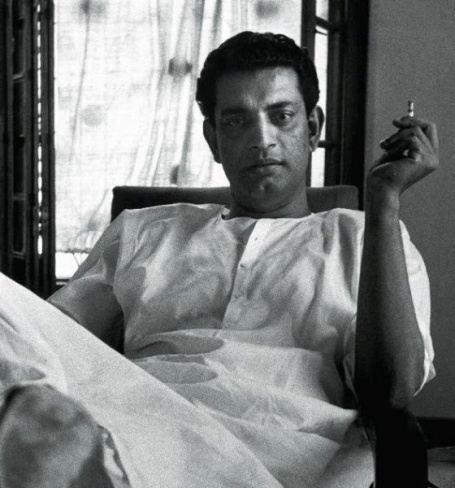
Yet Ray’s influence has long extended beyond the boundaries of Indian cinema.
“The Apu Trilogy” — comprising “Pather Panchali”, “Aparajito” (1956) and “Apur Sansar” (1959) — follows Apu from childhood in rural Bengal into adulthood. Across the three films, Ray transforms a deeply local story into a universal meditation on childhood, loss, family, ambition and the passage of time.
The trilogy also established Ray as a major force on the international cinematic stage. “Pather Panchali” won the Best Human Document award at the Cannes Film Festival, while “Aparajito” received the Golden Lion at the Venice Film Festival. The films also earned recognition at India’s National Film Awards.
Ray’s influence has been acknowledged by generations of filmmakers and critics worldwide. His work is often celebrated for its emotional precision and visual storytelling, qualities that allowed seemingly modest stories to acquire extraordinary cinematic force.
Nolan’s comments therefore carry significance beyond a passing tribute. His discovery of a trilogy he has yet to complete also offers a reminder that Ray’s cinema continues to invite new audiences — including filmmakers already regarded as masters in their own right.
 For all latest news, follow The Daily Star's Google News channel.
Comments