


Cultural icon Mustafa Monwar passes away
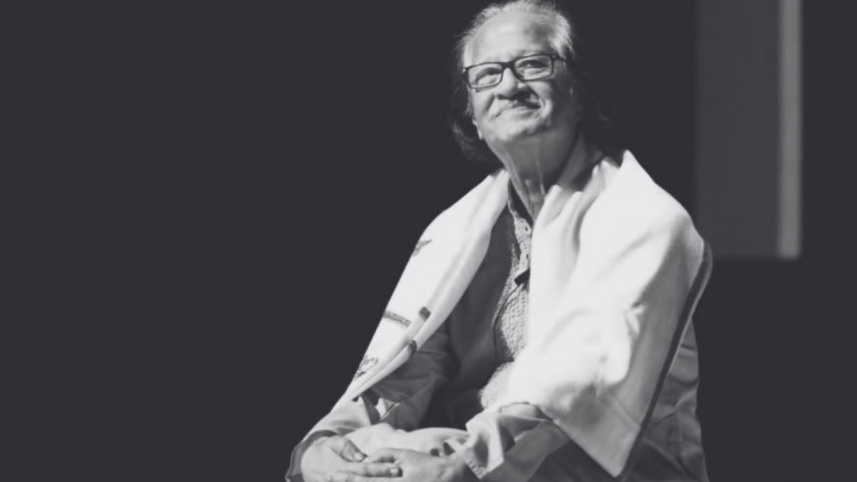
Eminent artist and cultural personality Mustafa Monwar has passed away at the age of 90 due to age-related complications. The legendary figure breathed his last at around 8:30am today while undergoing treatment at a private hospital.
The news of his passing was confirmed to The Daily Star by his nephew, Zulfikar Rahman.

"Mustafa Monwar will be taken to Bangladesh Television (BTV) at 9am tomorrow. BTV was an institution very close to his heart, and he played an integral role in its formation. He will then be taken to the Central Shaheed Minar at around 11am, where people will have the opportunity to pay their last respects. From there, the procession will stop at the Faculty of Fine Arts (Charukola). His janaza will be held after Zuhr prayers at the Dhaka University Central Mosque. He will then be laid to rest at Banani Graveyard," Rahman told The Daily Star.
Prime Minister Tarique Rahman today expressed deep shock and sorrow at the death of Ekushey Padak-winning artist and cultural personality Mustafa Monwar.
In a condolence message, he said Monwar's passing has created a void in the country's art and cultural landscape that will be difficult to fill.
The prime minister said the nation would remember Mustafa Monwar's contributions with profound respect and that his works and ideals would continue to inspire future generations.
He also prayed for the eternal peace of the departed soul and conveyed his deepest sympathies to the bereaved family.
Information and Broadcasting Minister Zahir Uddin Swapon today expressed profound grief over the passing of Ekushey Padak-winning artist and cultural figure Mustafa Monwar.
In a condolence message, the minister described Monwar's death as a tremendous loss to the nation's artistic, cultural and creative spheres, saying his absence would be deeply felt across the country.
According to family sources, Monwar had been suffering from various age-related health complications for several years. In September 2024, he became critically ill and was placed on life support. Although he later showed signs of recovery, his health deteriorated again in recent weeks after contracting a pneumonia-related infection.
Affectionately known as Bangladesh's "Puppet Man", Mustafa Monwar was a towering figure in the country's artistic and cultural landscape. Born on September 1, 1935, he made pioneering contributions to puppetry, painting, visual arts, television, and children's cultural programmes. His creative works enriched the childhoods of several generations and left a lasting impact on Bangladesh's cultural heritage.
In recognition of his immense contributions to arts and culture, Monwar was awarded the Ekushey Padak, one of the country's highest civilian honours, in 2004. He also received the Sultan Gold Medal from the Bangladesh Shilpakala Academy in 2018.
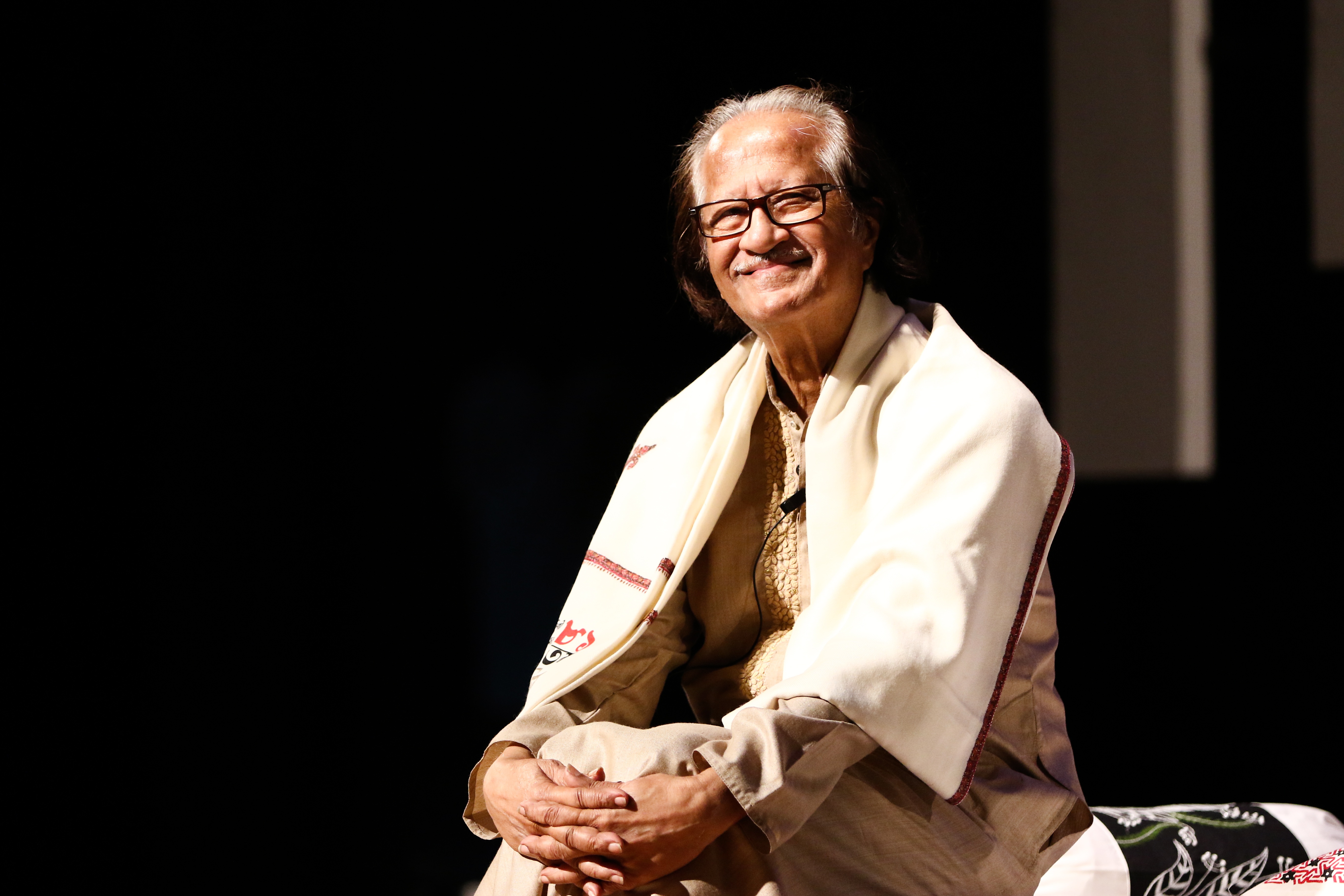
During the Liberation War of 1971, Monwar used puppetry as a powerful medium of resistance and inspiration. Productions such as "Agachcha" ("Weeds"), "Rakshas" ("The Monster"), and "Ekjon Sahosi Krishok" ("A Brave Farmer") resonated deeply with audiences, offering hope and encouragement in refugee camps across West Bengal.
Monwar's artistic journey began at Kolkata's Sishu Vidyapith. He received music lessons from his father and elder brother before training under Ustad Santosh Roy, a disciple of the renowned Ustad Fayaz Khan. Although he eventually devoted himself primarily to painting and visual arts, his passion for creativity remained at the heart of his life's work.
His contributions to television were equally significant. He joined Pakistan Television as a producer in 1964 and later played a key role in developing children's programmes at Bangladesh Television (BTV). Among his most notable contributions was the beloved talent show "Notun Kuri", which helped nurture generations of young performers.
Through his lifelong dedication to puppetry, Monwar preserved Bangladesh's rich folklore and introduced countless children to the magic of storytelling. Characters such as Parul, Bagha, and Mini became household names and continue to hold a special place in the nation's cultural memory.
His work for BTV also included writing and producing acclaimed television dramas such as "Roktokorobi" and "Mukhora Romoni Boshikoron", both of which were nominated for inclusion in Granada Television's A Global History of Television Drama.
With his passing, Bangladesh has lost one of its most influential cultural pioneers, whose legacy will continue to inspire generations of artists, performers, and storytellers.
 For all latest news, follow The Daily Star's Google News channel.
Comments