


Cannes, but not quite: Underdog ‘Gaali Kothon’ cuts top 4 on another stage

I was completely swept away by "Parallel Lines", yet another masterclass by legendary director Asghar Farhadi, known for his ambiguous storytelling. I was eager to attend its press conference today, hoping to catch a glimpse of the director and the film’s incredibly talented cast.
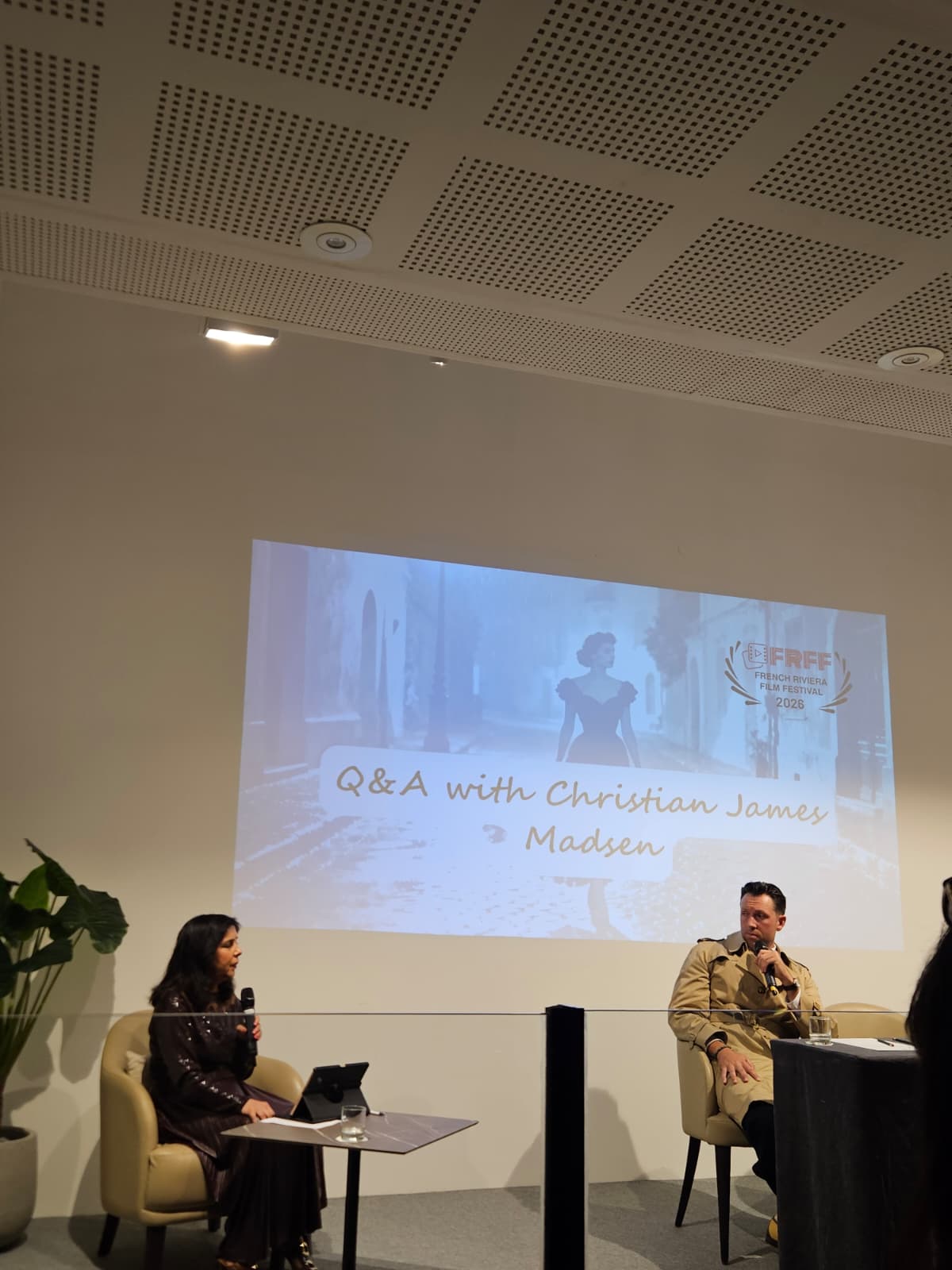
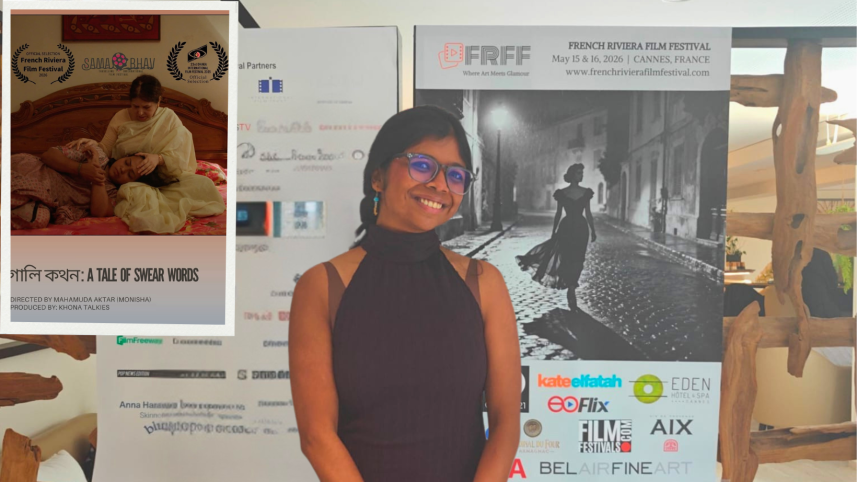
However, I decided instead to walk down the street from the Palais, with a gimbal in one hand and a coffee in the other, straight to Eden Hôtel, where the French Riviera Film Festival is taking place. Here, “Gaali Kothon: A tale of swear words”, a short film by Mahamuda Aktar Monisha, is vying for the top documentary prize.

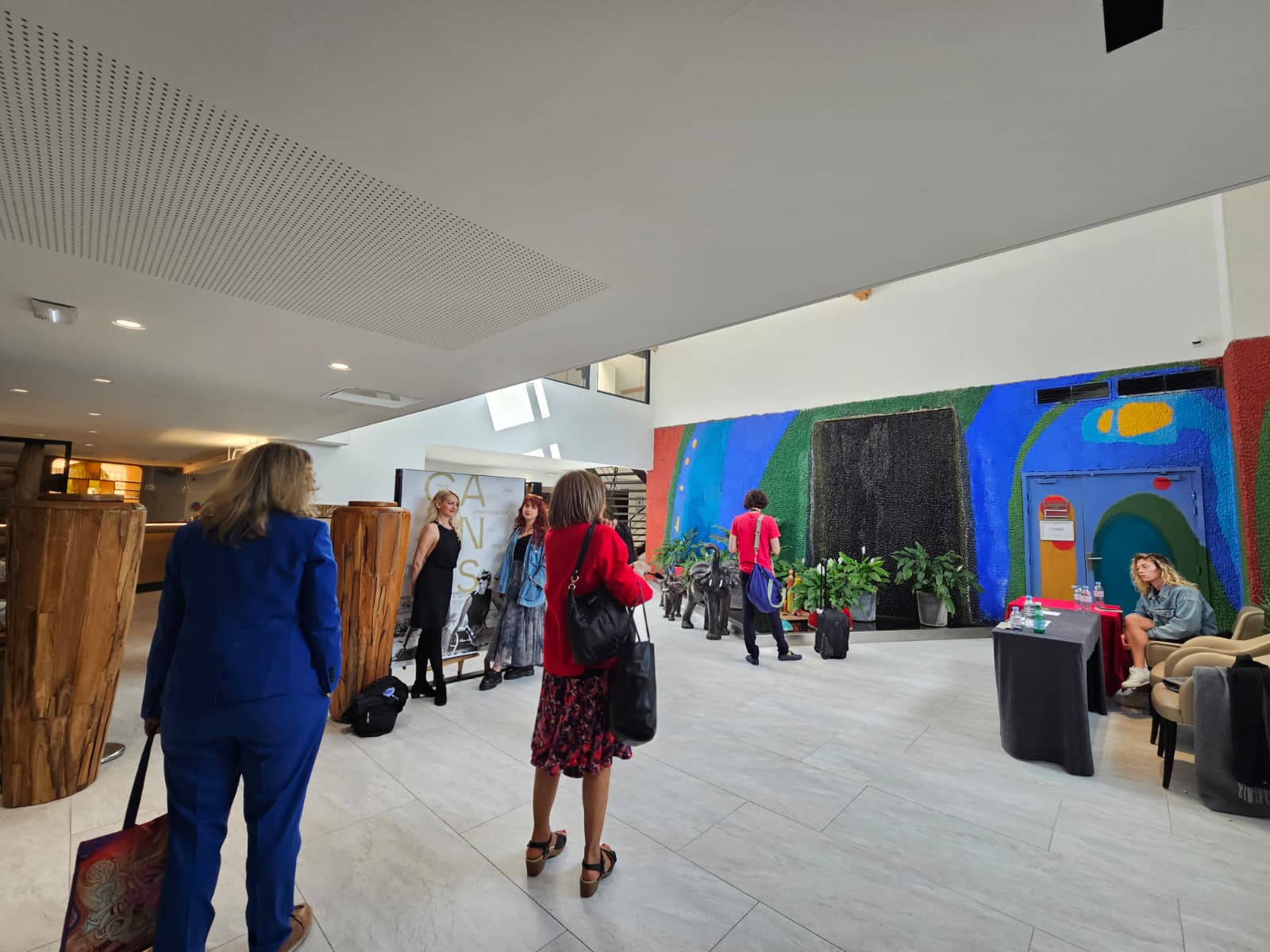
Let’s not get it twisted, though. The French Riviera Film Festival, even with its admittedly stellar eight-year track record, cannot compare to the global juggernaut that draws thousands of celebrities, journalists, and influencers to Cannes just down the street. But it does have a knack for showcasing surprisingly excellent short films that later go on to achieve major success.
Mahamuda, who has been making documentary films since she was 15, is currently living in Vienna, Austria, on account of her Erasmus Mundus scholarship.
“By 2021, I had worked in various niches in film — sometimes as the boom mic operator, and sometimes as an AD. One fine day, I was walking past a tea stall in Dhaka when I heard a group of people using slurs. That is when it hit me: why are slurs almost always misogynistic?”
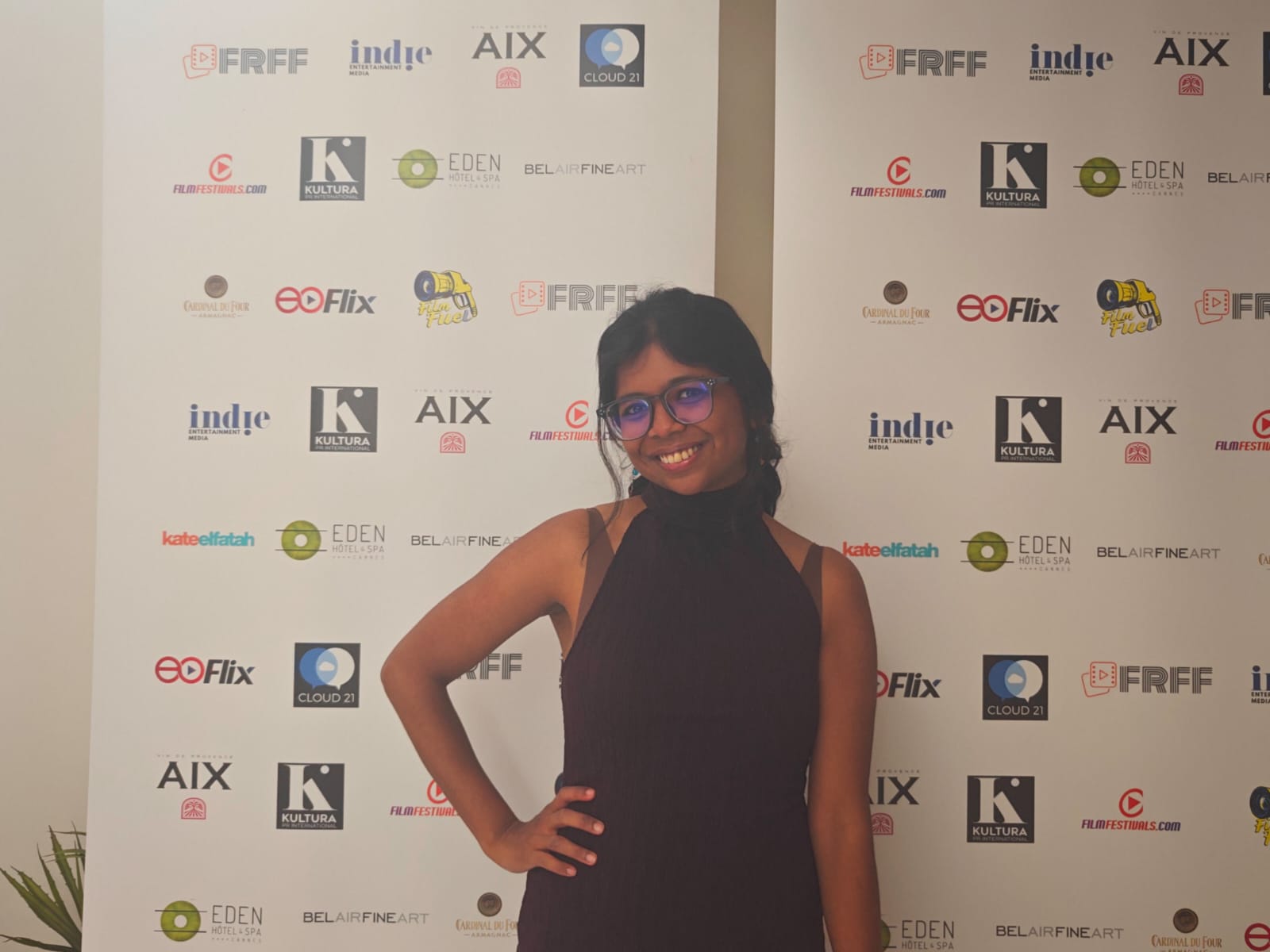
That moment inspired her to begin work on “Gaali Kothon”, which later went on to win the “Breaking the Silence” grant from Sultana's Dream.
The project focuses heavily on how many common Bengali slurs are inherently misogynistic, often targeting female family members or female anatomy in order to degrade an opponent.
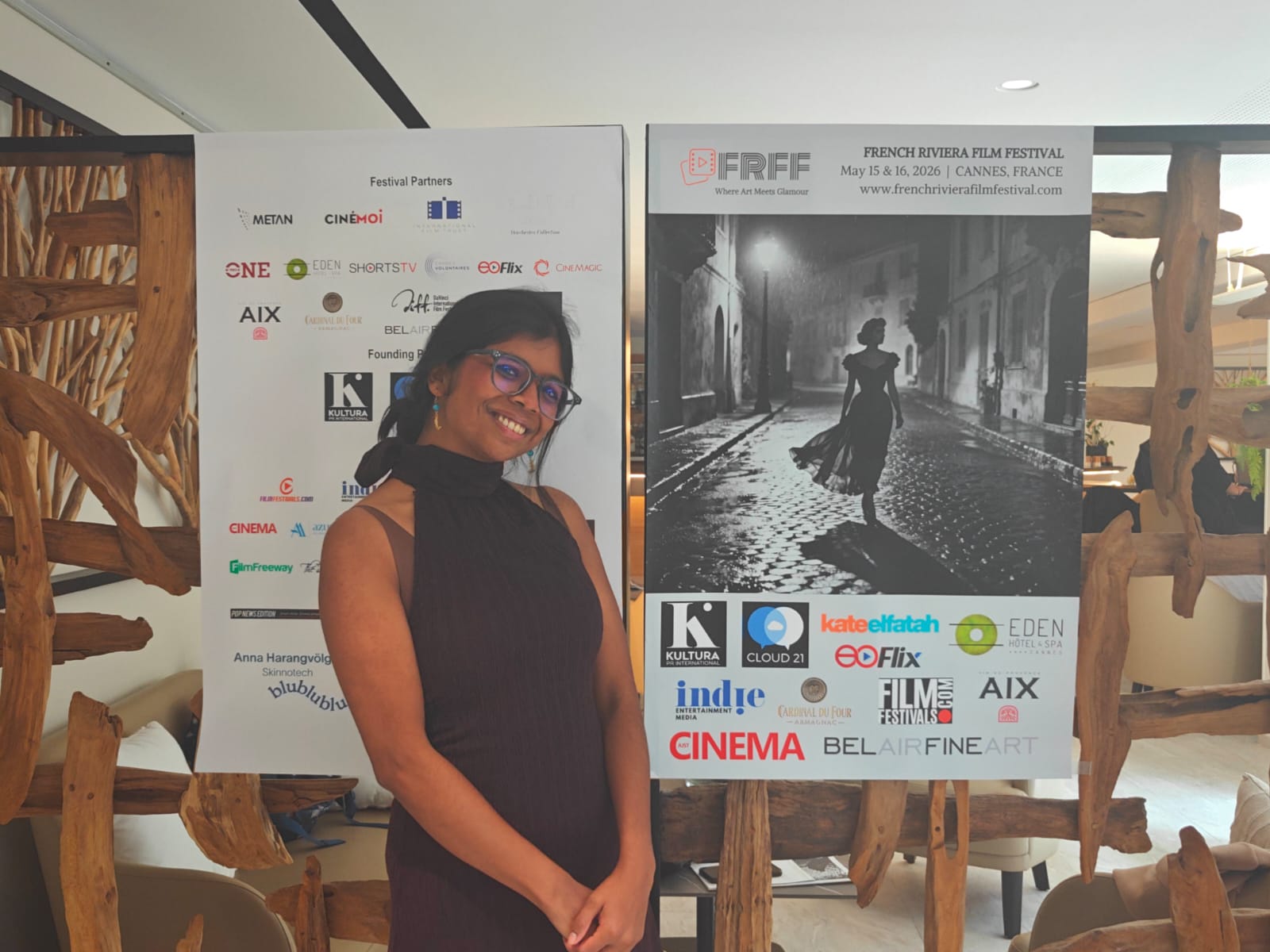
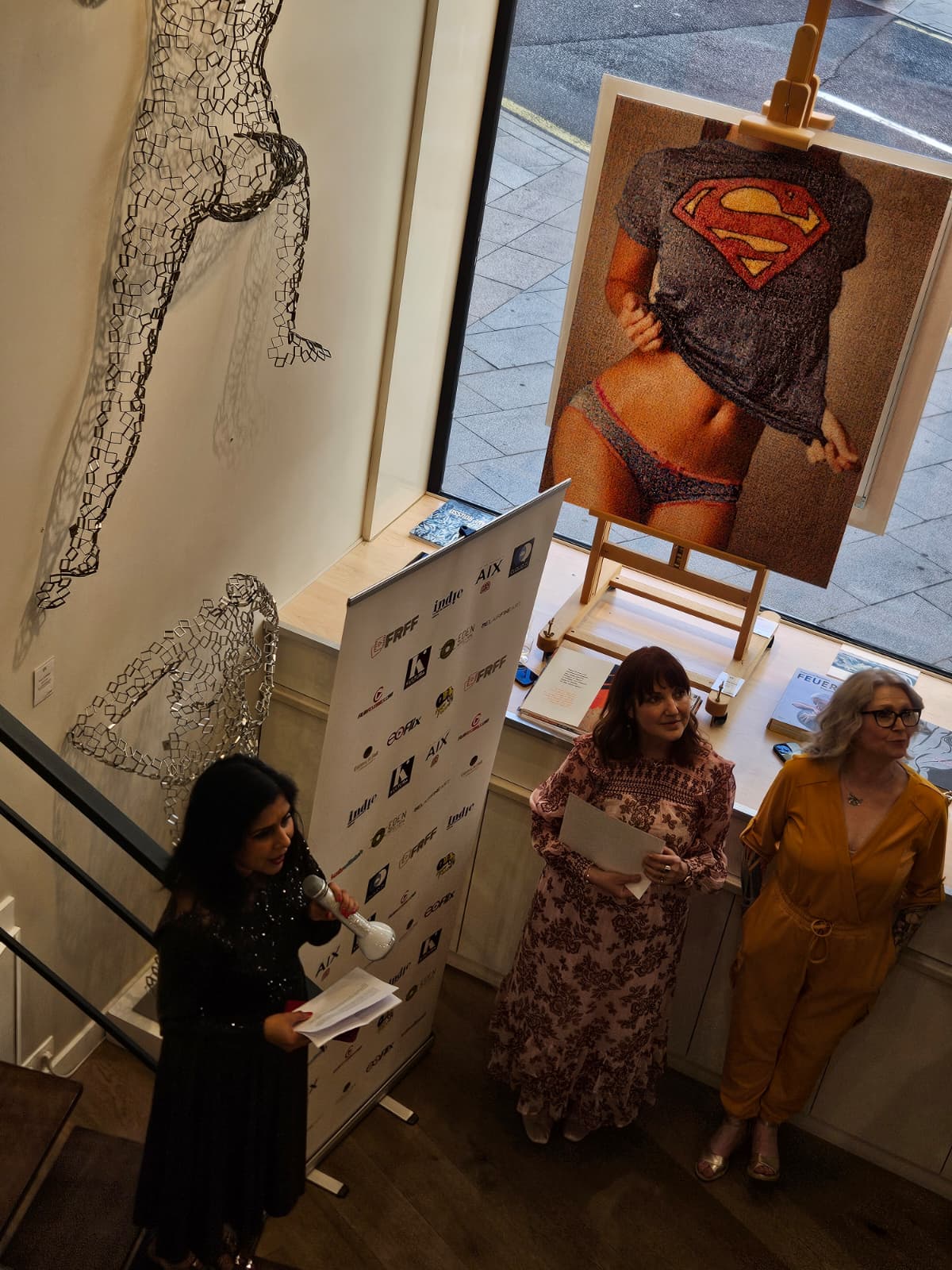
As I entered Eden Hôtel’s conference room, I was met by a warm group of international filmmakers who had projects of their own on display. As I patiently waited for Mahamuda’s documentary to begin, I was surprised by the quality of the work being showcased — from stories about the struggles of Chinese immigrants who helped build America to one individual’s personal journey from water polo athlete to acclaimed film director. Even among these, “Gali Kothon” stood out as an honest, and at times brutal, disassembly of patriarchy hidden within seemingly simple curse words.
Aktar examines how these words are normalised in daily conversation and how they reflect deep-seated patriarchal structures within society. One of the most surprising aspects of the documentary is its involuntary humour, arising from the sheer crassness of the curse words themselves, as well as the natural performances delivered by the obvious non-actors featured in the film. Without spoiling what is already a short watch, I would especially highlight the ending moment involving a subjugated wife smiling after coming across the Facebook page of “Naarir Daake Maitri Jatra.”
Does the FOMO hit Mahamuda when the biggest film festival in the world is happening right across the street?
“Not at all. Every filmmaker has a journey, and I sent my film to a bunch of film festivals. Some rejected me, some accepted me. But I will stand by my message and soldier forward,” she said.
After the screening, the small delegation of filmmakers was quick to congratulate Monisha, who hopes to continue speaking about relevant social issues while representing Bangladesh abroad.
Whether she wins at the FRFF will be revealed tomorrow, when the curtains close. But as long as Mahamuda and filmmakers like her continue to push forward, the future of Bangladeshi cinema on the festival circuit appears to be in safe hands.
The author is the Entertainment Editor at The Daily Star
 For all latest news, follow The Daily Star's Google News channel.
Comments