


Examining Imran's inward journey with 'Roid'

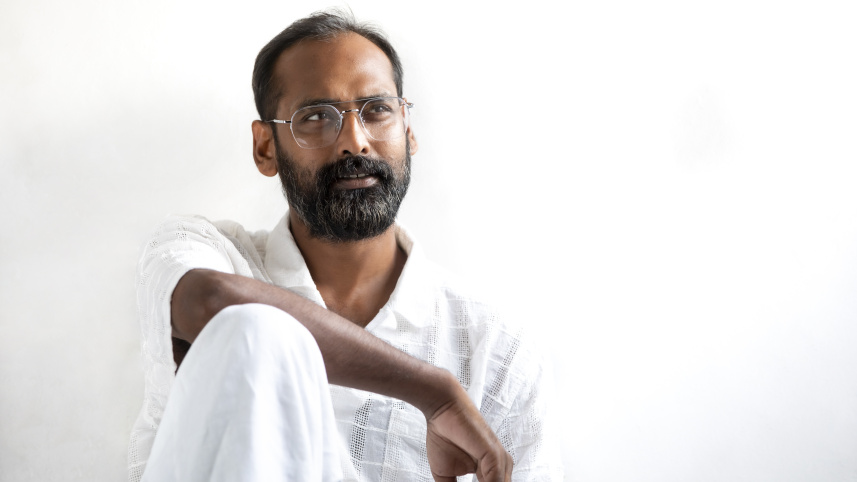
“Shadhu will always remain in me, so will ‘Roid’,” says Mostafizur Noor Imran, whose powerful performance in Mejbaur Rahman Sumon’s latest film has once again left audiences mesmerised.
Starring opposite Nazifa Tushi, who plays Pagli, Imran brings depth and nuance to a story that has sparked widespread discussion for its layered themes and striking visual storytelling.

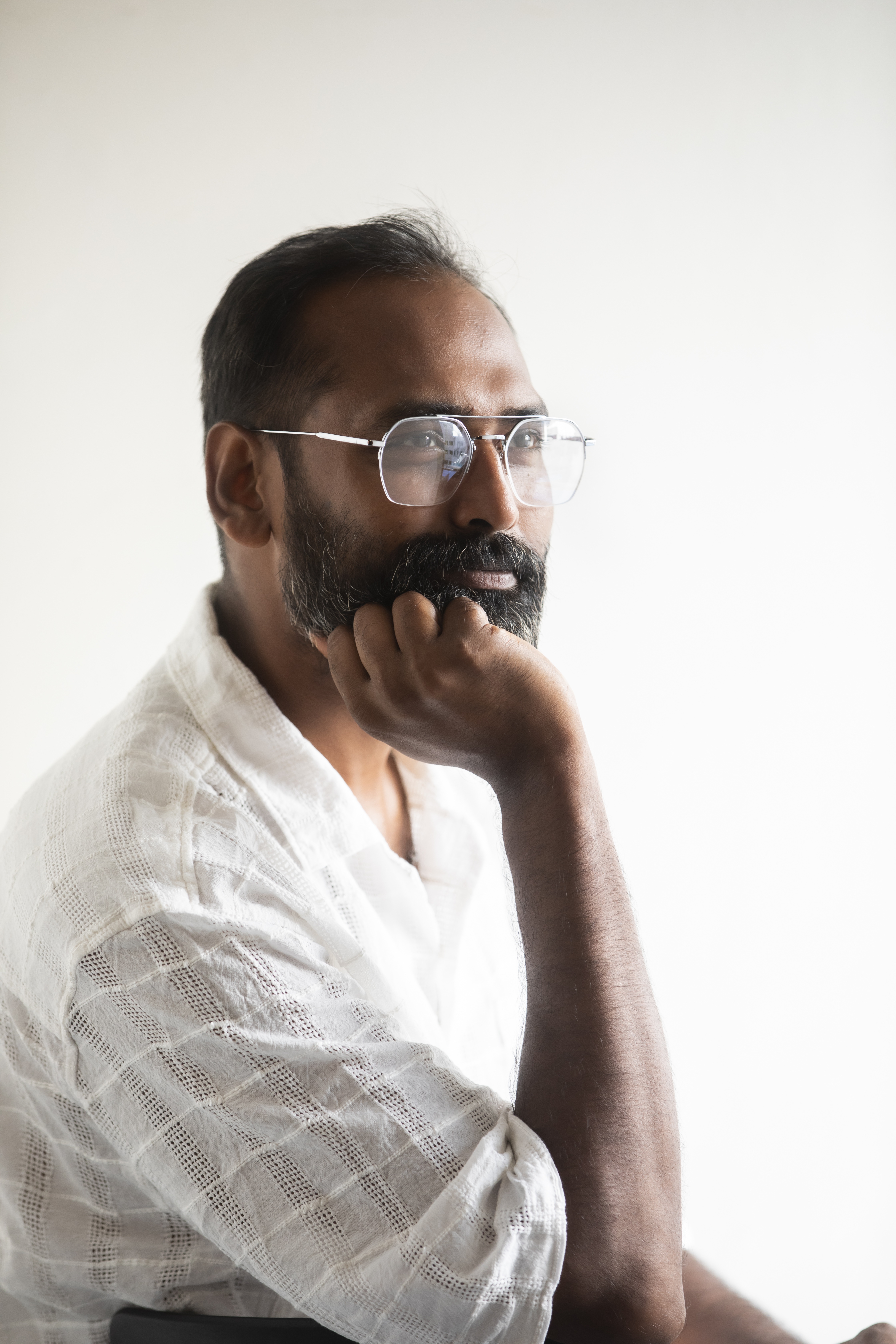
During an exclusive visit to The Daily Star office, the actor sat down over cups of rong cha to reflect on his artistic journey, creative philosophy, and hopes for a more art-friendly cultural landscape in Bangladesh.
"The most beautiful thing is that a work can generate so many perspectives," says Imran. "Everyone brings their own experiences, beliefs and understanding to it."
To Imran, “Roid” is ultimately a story of longing. It is a story about incompleteness, yearning and the kind of love that continues to exist even when it cannot be fulfilled. "We often think love is about finding someone or being with someone," he reflects. "But sometimes we only realise the depth of love after we've lost it. For me, ‘Roid’ is the story of that love."
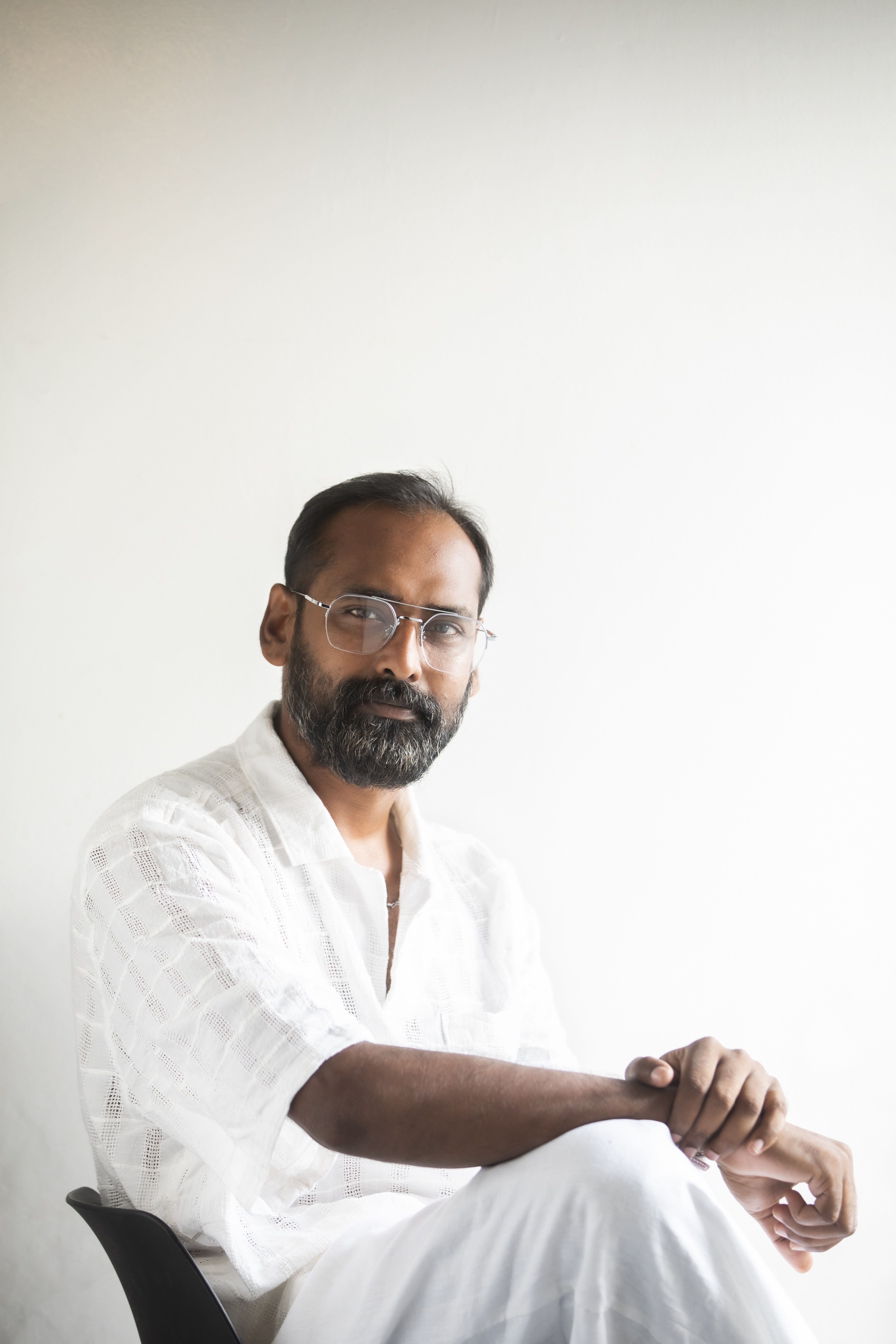
At the centre of the story is Shadhu, a man who has spent his life in solitude. He never asks for companionship, nor does he feel the need for it. Yet a companion enters his life through divine instruction, disrupting the quiet routine he has always known.
Imran describes Shadhu as someone who was perfectly content in his own world. "I often say he was living in paradise," he explains. "Then suddenly someone arrives in his life, and everything changes."
The arrival of Pagli introduces emotions that Shadhu has never experienced before. What begins as disruption gradually transforms into affection and eventually love. As circumstances repeatedly separate them, that love only grows stronger.
"The more he leaves her behind, the more he loves her," says Imran. “But that love never exists in fulfilment. It remains incomplete. It is a story of unfulfilled love, of a love that stays with you and cannot be erased.”
While discussing Shadhu, it felt that the character had much of a resemblance to the film’s director Sumon, to which Imran also agreed. “It’s true that he quietly influenced my performance, and the character’s sketch matched him in my mind as well. Maybe in another world, I saw Sumon bhai in Shadhu,” he says with a smile.
During the making of the film, Imran found himself closely observing Sumon's movements, his barefoot walks and the way he carried himself. Those observations became part of his creative process while shaping the character. "It wasn't something conscious," he says. "But I was observing him a lot."
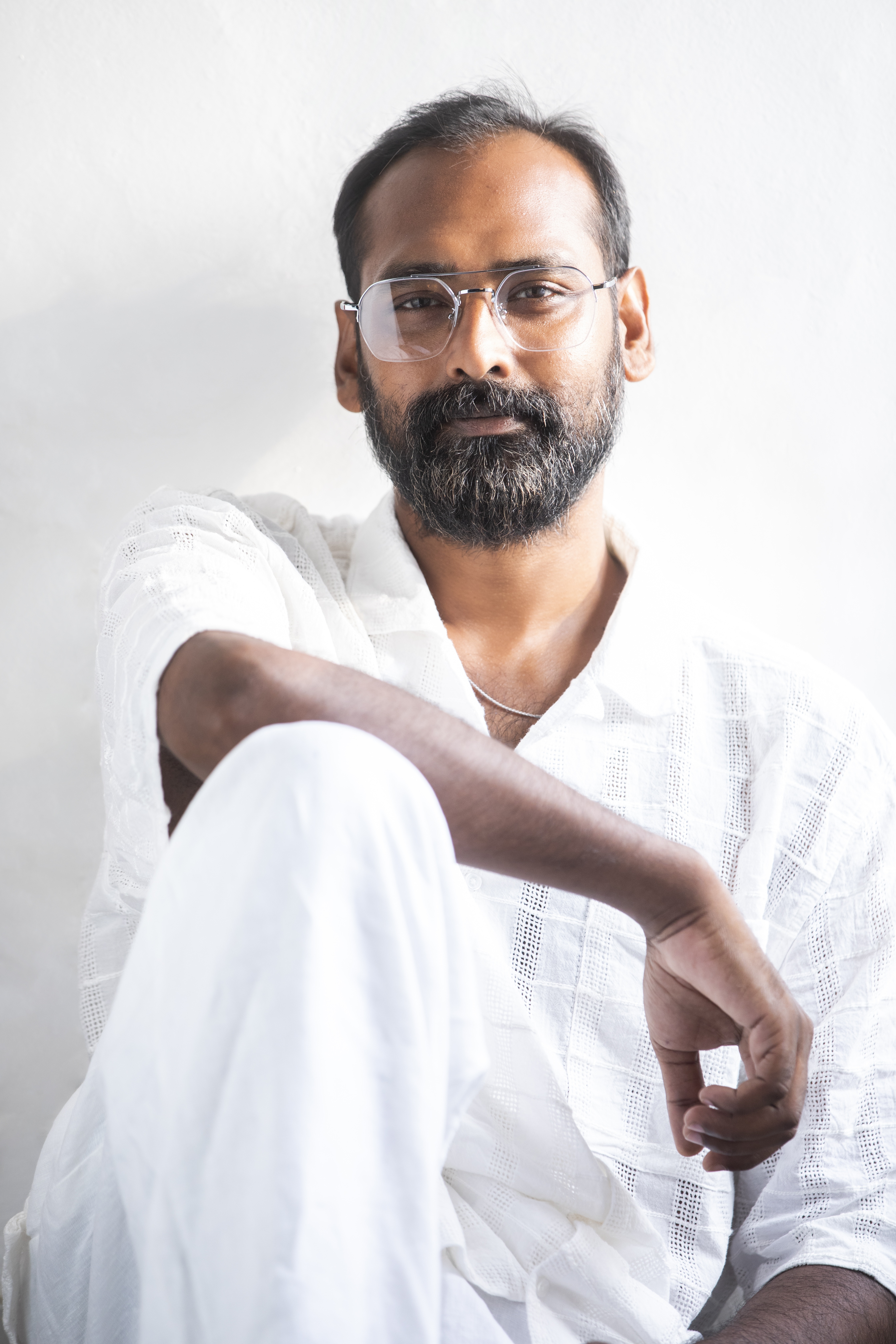
The response to “Roid” has been unlike anything Imran expected. He believes films like this are necessary because they challenge audiences and gradually expand their cinematic tastes.
"If works like this don't come along, how will our sensibilities evolve?" he asks.
Although some viewers have argued that “Roid” is not for everyone, Imran disagrees. He insists that nobody involved with the film ever claimed it was exclusive. "I only said that people need to watch it with attention; this film drags you to focus.”
He has quietly attended screenings on multiple occasions simply to observe audiences. What struck him most was not applause or discussion but silence that remains for a long time. "A film creating that kind of feeling is extraordinary,” he expresses.
One of the aspects he treasures most about “Roid” is working alongside Tushi. Watching the finished film, he says he never once saw the performer herself. He only saw Pagli. "Not for a single moment did I think that was Tushi," he says. "I only saw the character. That is what great acting is."
The same sense of emotional authenticity was reflected in the response of his wife, acclaimed actress Nazia Haque Orsha. The couple watched the film together for the first time, and afterwards both sat quietly for a long time. Imran admits he was overwhelmed with emotion and struggled to compose himself. Orsha sat beside him, helping him through the experience before finally sharing her thoughts.
"She simply said, 'Well done Shadhu'," he recalls. Coming from a performer of her calibre, the compliment carried special significance.
Apart from acting, Imran remains passionate about another cause, expanding cinema culture beyond the major cities. For years he has argued that Bangladesh's film industry cannot truly grow unless audiences across the country have access to quality screening venues.
In his hometown of Bagerhat, he remembers two cinema halls that once served local audiences. Today, one has become a scrapyard while the other functions as a charging station for electric vehicles.
"If every district had even one cineplex, the market would change completely," he says. "The industry would become larger and stronger." He has already begun preliminary discussions about whether such spaces can be revived and transformed into modern screening venues.
His dream extends far beyond a single district. He envisions a network of small but functional cineplexes across Bangladesh, allowing audiences everywhere to experience films in proper theatrical settings.
He also believes existing cultural institutions could become part of the solution. Renovated district arts academies, equipped with screening facilities and community spaces, could help rebuild a vibrant culture of cinema, theatre, literature and artistic exchange.
 For all latest news, follow The Daily Star's Google News channel.
 He believes these experiences are essential to the development of a healthy society and sees his campaign for decentralised cinema spaces as an invitation for others to join the effort.
Meanwhile, through his production house, Methodica, Imran continues to explore new creative directions. Following his debut directorial web film “Djinner Baccha”, he is currently completing a new project, with only a final round of shooting remaining before post-production begins.
If all goes according to plan, audiences will be able to see the work after the current World Cup excitement subsides. The project, however, will not be a theatrical release, but another web film.

As we conclude our conversation, he leaves us with a teasing hint, “I'm working on something a little unusual,” he says with a knowing grin.
Comments