


How China’s ‘worst animated film’ became an unlikely rival to 'The Odyssey', 'Spider-Man'
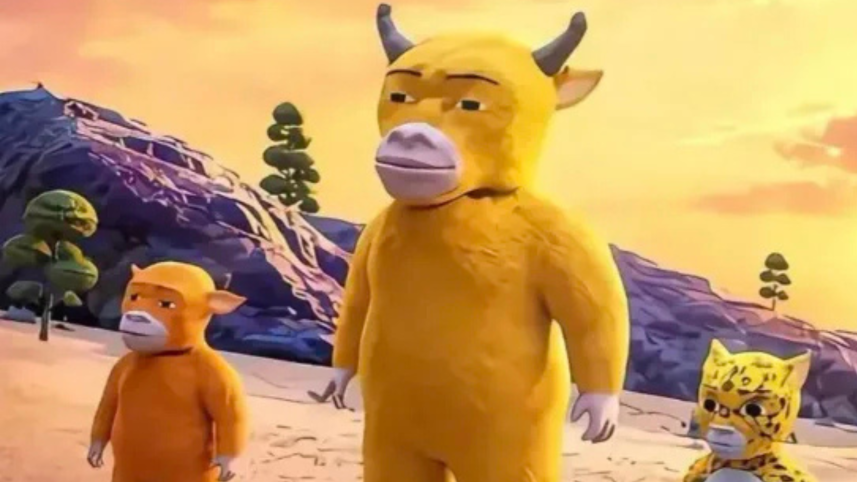
"Niu Lai" may be one of the most unusual box-office stories to emerge from China this summer. The little-known, low-budget animated film initially drew barely any audiences, but has unexpectedly become a theatrical hit — not because viewers consider it a great film, but because the internet has embraced it for being spectacularly bad.
The 86-minute film follows a newborn calf through a bizarre coming-of-age journey. Released on August 5, it initially attracted little attention. Its fortunes changed after clips from the film began circulating online, prompting curious audiences to head to cinemas to see whether it was really as strange as people claimed.

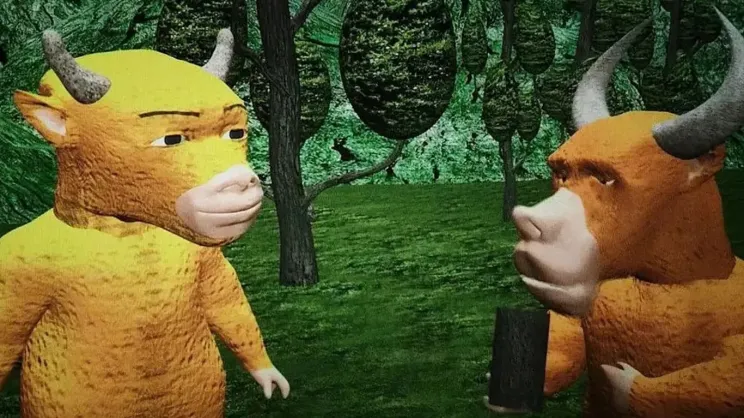
During its first 10 days in theatres, "Niu Lai" earned less than 10,000 yuan ($1,480), reportedly bringing in as little as 200 yuan ($30) in a single day. Around August 14, however, clips from the film began going viral across social media, sparking a sudden surge of interest.
Viewers were quick to mock its rudimentary computer-generated visuals, stiff character movements and unusual voice acting. Some compared it to a student project, while others described it as “worse than AI” and even labelled it a contender for the “worst movie of 2026”.
But the ridicule soon turned into curiosity. As more clips spread across social media, audiences who had never heard of the film began flocking to cinemas, eager to experience the much-mocked animation for themselves.
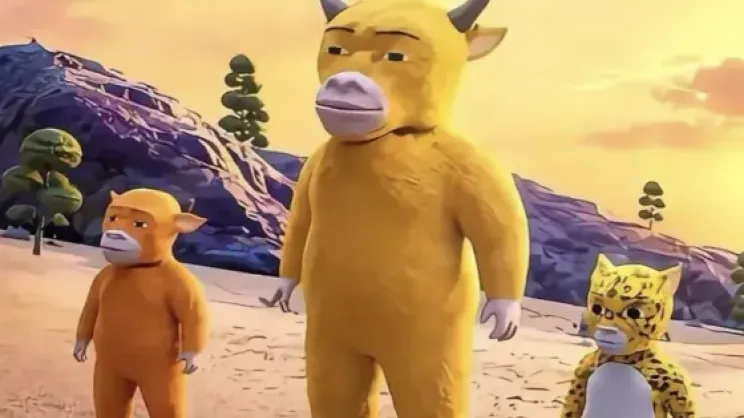
On August 15, the film’s daily box-office earnings jumped to 717,000 yuan, prompting cinemas to increase its screenings. By August 17, "Niu Lai" had grossed 17.1 million yuan ($2.5 million), placing it among the 10 highest-grossing Chinese animated films of 2026, according to ABC News.
Its momentum continued on August 18, when the film recorded a real-time collection of 2.3 million yuan (around $341,213). At one point, it climbed to fourth place on China’s domestic box-office chart, overtaking "Spider-Man: Brand New Day".
According to Manila Bulletin, "Niu Lai" is now competing in ticket sales with major Hollywood releases, including Christopher Nolan’s "The Odyssey" and Tom Holland’s superhero film. Its unexpected theatrical success has also generated considerable discussion online.
On Douban, a popular culture and review platform, the film has received more than 650 reviews. Some viewers described it as “unusually terrible but eye-opening”, while others called it “symbolic of the new trend of internet trolling”.
One phrase that has appeared frequently in discussions is “must see for Chinese investors”. The joke stems from the film’s title, which has been translated as “the bull is coming”, a phrase that has particular resonance among stock-market investors.
Behind the unlikely hit are director Xin Yu Meng and his mother, Sun Lifan. According to Red Star News, the pair spent five years making "Niu Lai" and reportedly handled almost every aspect of the production themselves, including writing, directing, producing, animation, editing and voice acting.
The film was made on a budget of roughly 30,000 yuan ($4,450). Its production company has a registered capital of 100,000 yuan ($14,835) and reportedly had no previous experience in the film industry before 2021.
Its unconventional marketing has also helped fuel the buzz. The film’s official publicity appears to have centred on a poster inspired by traditional Chinese ink-wash painting, creating a polished visual that contrasts sharply with the crude animation seen in the film itself.
As "Niu Lai" gained popularity, cinemas began creating their own promotional posters, featuring drawings of the calf alongside tongue-in-cheek slogans such as “Come on over if you like the weird stuff” and “No refunds”.

What began as an obscure animated release has now become one of the season’s most talked-about films in China. Driven first by online mockery and then by sheer curiosity, "Niu Lai" has gone from earning just 200 yuan a day to competing with major studio releases at the Chinese box office.
 For all latest news, follow The Daily Star's Google News channel.
Comments