


Future Ready Bangladesh: AI Skills and Youth Employability in the Digital Economy
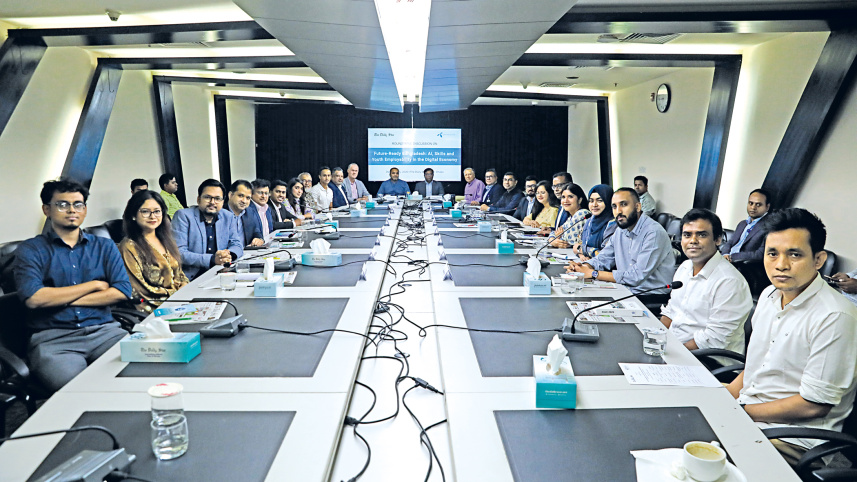
Grameenphone and The Daily Star jointly organised a roundtable on July 15, 2026, marking World Youth Skills Day 2026. The discussion brought together policymakers, industry leaders, academics, development partners, ed-tech experts and youth representatives to explore how Bangladesh can prepare its youth for an AI-driven digital economy. Participants examined the changing skills landscape, education and training readiness, industry-academia collaboration, and practical pathways to strengthen youth employability, while identifying actionable recommendations to build a future-ready, inclusive and competitive Bangladesh. Here is a summary of that discussion.
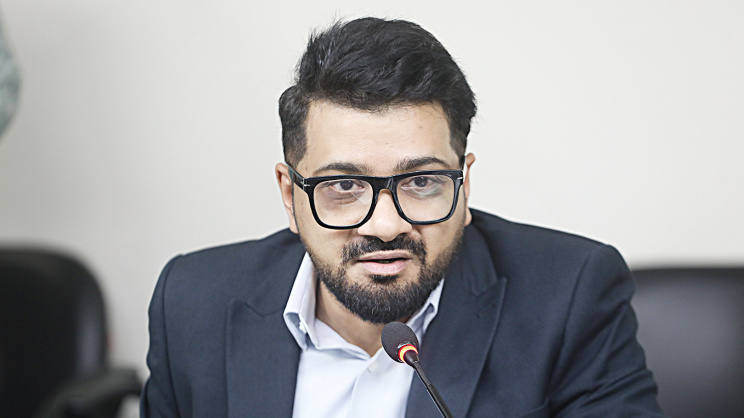
Dr. Zulkarin Jahangir
Assistant Professor
North South University

Artificial intelligence is no longer a future possibility; it is already transforming education, jobs, and industries worldwide. ChatGPT usage alone increased from 33% to 78% within a year, while global AI investment reached US$109 billion, showing where future employment opportunities are emerging. Bangladesh has a strong digital foundation, with 75% of secondary schools having computers and widespread mobile access, yet meaningful AI capability now matters more than connectivity. At the same time, 82% of organisations are redesigning operations for AI, and 46% have already automated parts of their work, making lifelong learning essential. Therefore, universities should integrate AI literacy, strengthen research integrity, redesign assessment methods, and build closer industry partnerships. Greater investment in Bangla datasets, responsible AI governance, research, innovation, and inclusive policies can help ensure AI creates opportunities while preparing young people for the future workforce.

Farhana Islam
Head of Environment Social Governance
Grameenphone
Bangladesh’s youth is a major strength but preparing them for the digital economy requires increased investment in AI and other future-ready skills. Every year, 2.2 million young people enter the job market, while 28% of graduates remain unemployed and 80% of the unemployed are youth. Moreover, 59% of the global workforce will need reskilling or upskilling by 2030 as the majority of global business leaders refuse to hire candidates without AI skills. AI should be viewed as an opportunity to accelerate productivity, innovation and economic growth, with studies suggesting it could increase GDP. However, 84% of young people still lack the basic digital skills needed to use AI effectively. Grameenphone’s “AI and I” agenda champions this mindset shift, combining human potential with AI through continuous learning. Further putting this into practice, Grameenphone Academy has empowered 324,000 learners across 170 institutions and awarded 131,000 certifications, translating future-ready skills into employment, freelancing and sustainable income opportunities.
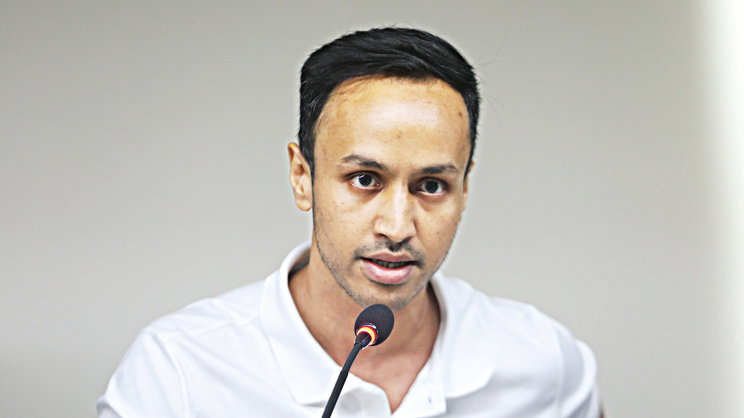
Shahir Chowdhury
Founder & Chief Executive Officer
Shikho
Artificial intelligence should be viewed as a tool that strengthens human potential rather than replacing it. However, Bangladesh must first address foundational challenges to prepare young people for the future. Around 700,000 graduates enter the job market every year, yet quality employment opportunities remain limited. Therefore, a stronger emphasis is needed on foundational literacy, communication, critical thinking, and creativity rather than focusing solely on rapidly evolving AI tools. At the same time, affordable smartphones, lower internet costs, and wider digital access are essential to ensure equal learning opportunities. Education technology platforms have already reached millions of students across all 64 districts, demonstrating the potential to expand quality learning nationwide. Education must transform into a modular system where digital learning tools plug directly into traditional institutions. Ultimately, by democratizing access to information and building robust pathways that link learning directly to local and global earning opportunities, the youth population can adapt to any technological tool and drive sustainable economic growth.
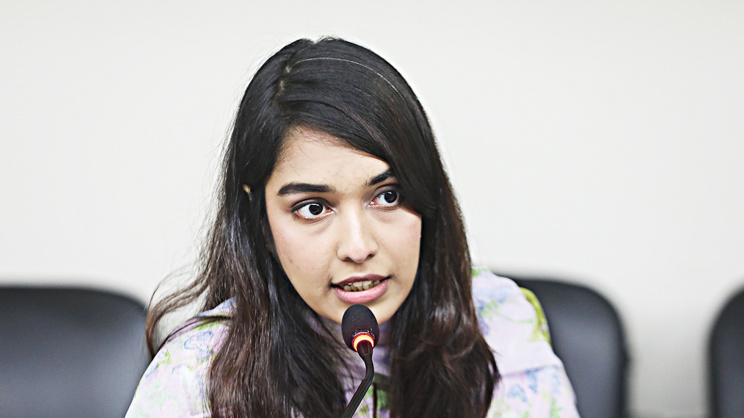
Maria Nawar
Student
Grameenphone Academy
Although AI was already part of daily learning, it was mostly used as a search tool rather than for building advanced skills. Grameenphone Academy helped transform that understanding by introducing structured learning in areas such as generative AI, prompt engineering, and career readiness. The Academy also showed how to prepare an ATS-friendly CV, tailor applications for different roles, and present skills more effectively. In addition, communication training improved confidence for interviews, conferences, and professional interactions, making it easier to showcase projects and achievements. Learning did not stop with technical skills but extended to continuous career development. Going forward, stronger collaboration between universities and industry is essential to expose students to real business challenges, industry datasets, and practical projects. More mentorship and hands-on learning opportunities will help young people build confidence, strengthen employability, and prepare for the future digital economy.
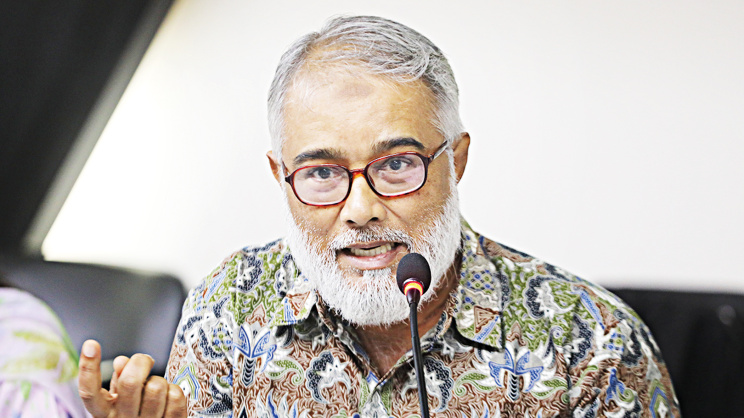
Munir Hasan
President
Bangladesh Open-Source Network (BdOSN)
Bangladesh’s greatest strength is its young population, but success in the AI era depends on preparing them with the right mindset rather than only technical knowledge. Because AI can efficiently handle traditional tasks like translation, essay writing, and calculation, human competitiveness now relies on higher-order thinking skills, particularly the art of questioning. Rather than promoting rote memorisation, education ecosystems must encourage curiosity, critical analysis, and open-mindedness. For instance, reversing the traditional learning taxonomy to prioritise creation and application allows students to innovate before memorising facts. Furthermore, leveraging open-source large language models provides an efficient foundation for building local, accessible digital learning platforms. Transforming youth capacity is less about massive training initiatives and more about changing the collective mindset. Encouraging young people to ask critical questions will empower them to independently discover viable solutions and thrive across evolving technological landscapes.
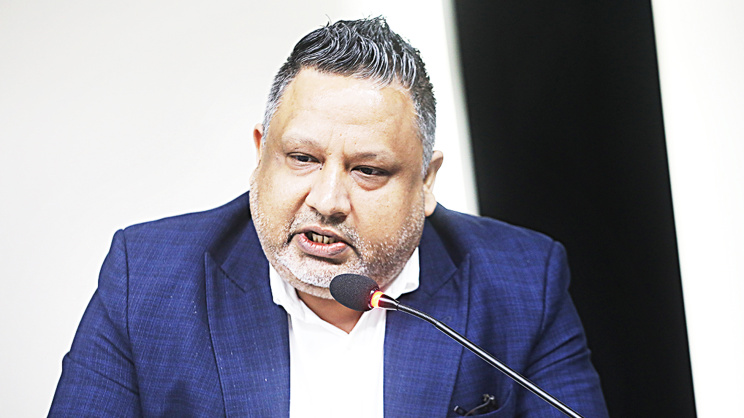
Kazi Faisal Bin Seraj
Country Representative
The Asia Foundation
Preparing Bangladesh for an AI- and data-driven economy requires stronger institutional capacity alongside human skills. As technology evolves rapidly, institutions must support continuous reskilling, career guidance, and employability, especially for graduates whose skills may quickly become outdated without industry exposure. Furthermore, different approaches are needed for four groups: children, school students, university students, and graduates already in the workforce. AI ethics should be introduced from an early stage, while universities need stronger industry partnerships so that curricula reflect future labour market demands. At the same time, businesses should regularly share future skills requirements to help education providers respond more effectively. Policy institutions also have a critical role in creating balanced AI regulations that encourage innovation while ensuring responsible use. Since technological change is happening quickly, institutional reforms and targeted interventions must be prioritised without delay.
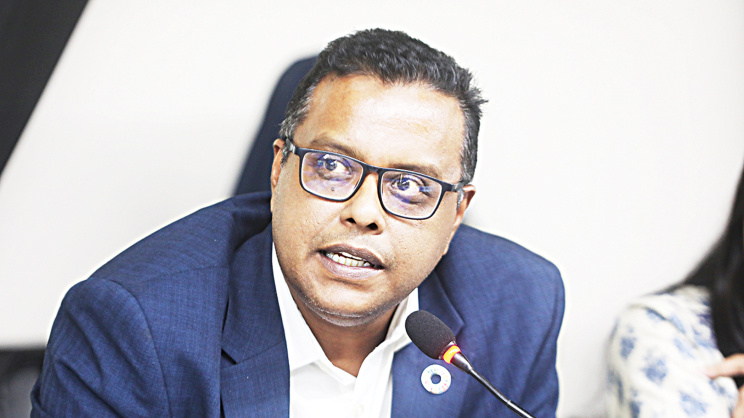
Maruf Azam
Project Manager, Transformative Economic Policy Programme (TEPP-II)
UNDP Bangladesh
Artificial intelligence is not only a technology; it is an agenda for employability and economic transformation. As Bangladesh prepares for LDC graduation, AI can help make the country future-ready for everyone, from rural women and young people to government officials. However, training alone is not enough. A strong ecosystem is needed, combining digital skills, industry linkages, policy support, and AI awareness. While many young people aspire to use digital platforms for business, especially in rural areas, awareness of how AI works remains limited. Therefore, the focus should be on working alongside AI rather than competing with it. No single institution can achieve this alone. An integrated ecosystem can help prepare 8.7 million young people for current and future jobs. More than 35 projects of UNDP are already supporting policy reforms and capacity building, while the Future Nation initiative has reached over 200,000 youth through an online learning platform.
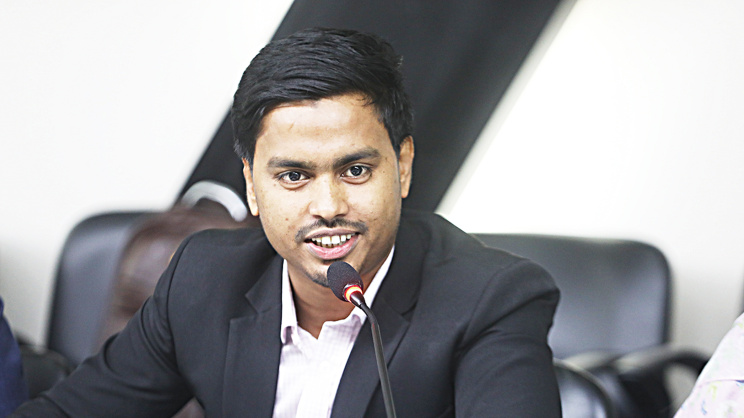
Md. Aman Ullah Aman
Student
Grameenphone Academy
Joining Grameenphone Academy became a turning point in developing my digital skills, communication, and career readiness. Through the Academy’s career readiness courses, practical guidance, and AI-powered learning, presentations that once took hours became much faster, while ATS-friendly CV writing and communication skills improved significantly. These refined capabilities subsequently helped to secure multiple professional milestones. Going forward, to sustain this youth enablement, integrating AI into the national education curriculum as a fundamental skill rather than an advanced track is strongly recommended. Additionally, industry leaders should launch structured corporate mentorship programs, offer targeted training, and design competitive business problem-solving frameworks to bridge the gap between graduates and employers.

Otto Magne Risbakk
Chief Financial Officer
Grameenphone
AI is reshaping economies, industries and the future of work, creating opportunities for countries ready to utilize its potential. Bangladesh has all the ingredients to become a leading digital economy, with a young population, growing digital adoption, entrepreneurial spirit and an ambitious national vision. At Grameenphone, we are helping enable that future by strengthening both digital infrastructure and capabilities. We connect over 86 million customers and invest nearly Tk 30 billion, on average, every year in infrastructure, expanding the foundation for digital innovation. AI is also lowering barriers for young entrepreneurs to access global digital markets, opening new pathways for entrepreneurship and economic participation beyond traditional industries. Realizing this potential will require closer collaboration among industry, academia and government to build digital capabilities, strengthen employability and drive future economic growth.
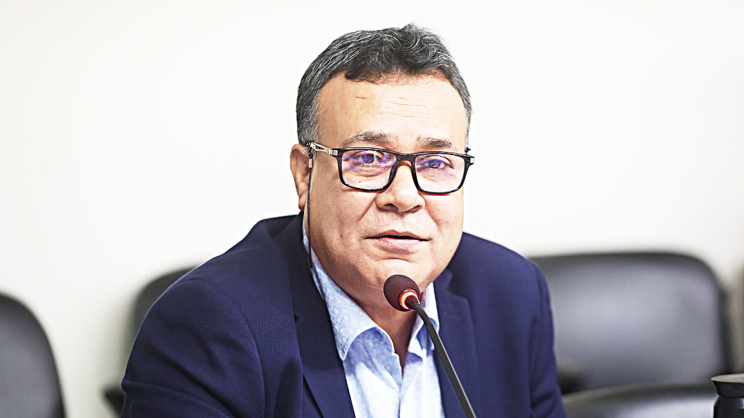
Professor Dr. A.S.M. Amanullah
Vice-Chancellor
National University
 For all latest news, follow The Daily Star's Google News channel.
 National University produces more than 500,000 graduates every year. However, industry-academia linkage stands at just 20%, with skills alignment between 10-15%, according to World Bank and BIDS studies. Therefore, education must move beyond traditional learning and become more skill-oriented, industry-linked, and AI-ready. Recognising this gap, micro-credential programmes are being introduced for the NEET population, alongside plans to prepare around 50,000 girls as freelancers by 2026-27. Partnerships with a2i, NSDA, UNICEF, and international universities are strengthening this effort. Moreover, ICT and English have been made compulsory, while AI should be introduced across all disciplines. Moving forward, a paradigm shift toward skill-based education, freed from political influence, along with massive investment, is seen as essential to prepare graduates for the Fourth Industrial Revolution.
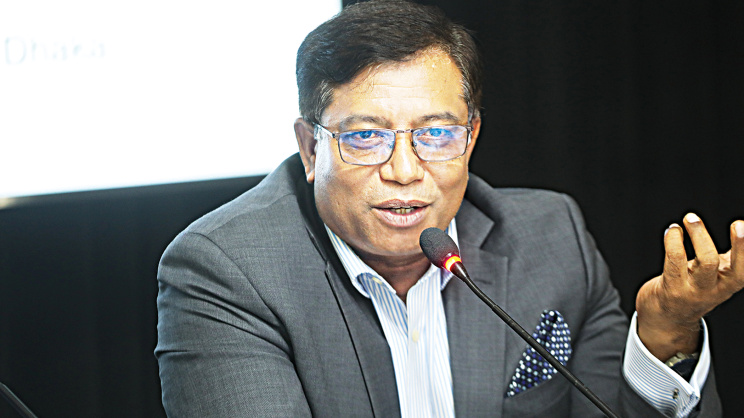
Dr. Mamun Ahmed
Chairman
University Grants Commission
Bangladesh faces a clear paradox: although the country has a large number of educated young people, many remain unemployed because their skills do not match industry needs. Therefore, artificial intelligence should be viewed not only as a technology but also as a practical solution to strengthen higher education and employability. At present, 180 universities operate across the country, yet gaps remain in teaching quality, industry linkages, internships, research collaboration, and access to expert faculty. AI and digital transformation can help bridge these gaps by connecting students, universities, industries, banks, researchers, and the Bangladeshi diaspora through a shared digital platform. Moreover, expanding high-speed internet, smart classrooms, and digital campuses can reduce the digital divide and improve learning opportunities. With stronger collaboration and AI-driven solutions, higher education can better support innovation, entrepreneurship, and national development.
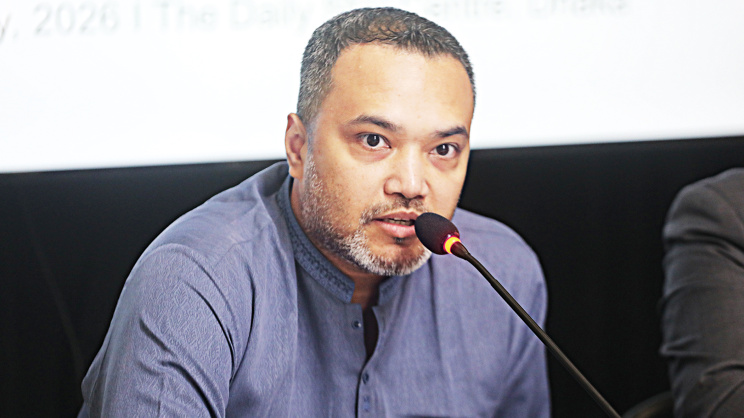
Dr. Mahdi Amin
Adviser to the Prime Minister for the Ministry of Education & the Ministry of Labour and Employment
Prime Minister’s Office
Building a future-ready Bangladesh requires strong collaboration between the government, private sector and academia to prepare young people for an AI-driven digital economy. AI should be embraced as an opportunity to improve skills, productivity and employment rather than viewed as a threat. Therefore, education reforms should prioritise technical and vocational education, practical skills, AI literacy and industry-academia collaboration from an early stage. Stronger links between universities, high-tech parks, startups and businesses can help transform knowledge into innovation and jobs. At the same time, creating a business-friendly environment, simplifying company registration and expanding support for entrepreneurship, especially for women and young people, will generate more employment opportunities. AI can also improve public service delivery through greater efficiency, transparency and faster decision-making. Moreover, investments in research, digital infrastructure, third-language learning and practical training will help equip youth with future-ready skills, ensuring they can contribute to economic growth and compete successfully in the global digital economy.

Mahfuz Anam
Editor
The Daily Star
In Bangladesh, nearly 8.7 million young people are currently out of work, education, or job training. Historically, skills serve as the critical bridge that transforms idle hands into productive assets for personal and national welfare. However, the rise of Artificial Intelligence is rapidly shifting the global landscape by automating basic job functions and threatening traditional employment. Consequently, this technological shift risks widening the gap between technologically advanced nations and those lagging, just as it can divide the rich and poor within a society. To prevent this disparity and replicate the rapid development seen in nations like South Korea, prioritising youth skill development is vital. Therefore, addressing this urgent gap through targeted education and future-ready training remains a paramount national priority.
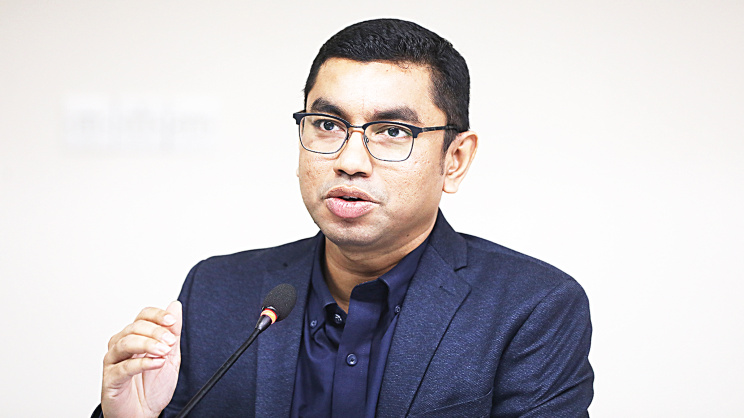
Tanjim Ferdous
Head of Strategic Partnerships
The Daily Star (Moderator of the Session)
Artificial Intelligence is transforming global industries, creating new opportunities, and redefining the skills required for the future workforce. For Bangladesh, with its massive youth population, this transformation presents both an enormous opportunity and an important responsibility. Preparing young people for an AI-driven economy requires exploring the changing skills landscape, identifying future employability competencies, and evaluating the readiness of the education and training ecosystem. Stronger collaboration between the public and private sectors is crucial to building a future-ready workforce. This roundtable aimed to generate actionable strategies that equip Bangladesh’s youth with the essential skills to thrive in an AI-driven future workforce.
Comments