


Runa Laila’s song inspires endangered Indian tribe to create its own alphabet

In Totopara, a small village on the Bhutan border in Alipurduar district of West Bengal, lives one of India’s oldest and most endangered indigenous communities — the Toto tribe. With a very small population and a largely isolated lifestyle, the community has long spoken its own language but historically lacked a written script, putting the language at risk of disappearing.
Several years ago, this began to change when Toto community member Dhaniram Toto developed a dedicated alphabet for the Toto language. In recognition of his contribution to preserving the tribe’s linguistic heritage, the Government of India later honoured him with the Padma Shri.
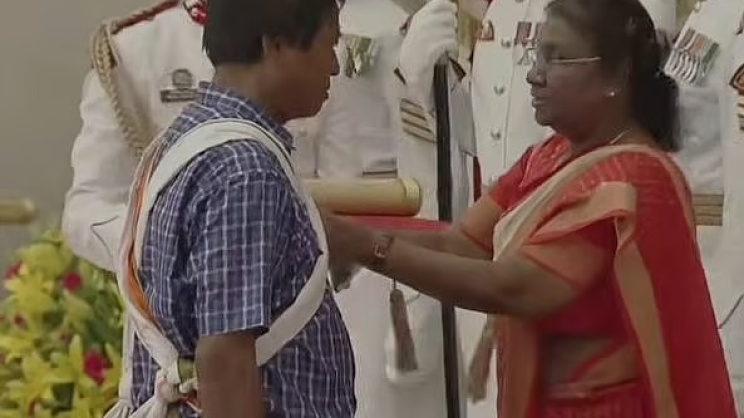
What many people do not know, however, is that the inspiration behind this effort came from a song by renowned Bangladeshi singer Runa Laila.
In an interview, Dhaniram Toto recalled that one day he was listening to the radio when he heard Runa Laila’s song “Tumi Ami Likhi Praner Bornomala” (“You and I write the alphabet of our hearts”). The line left a deep impression on him. It made him wonder: if other languages have their own alphabets, why shouldn’t the Toto language have one as well?
That question sparked years of research and effort. Eventually, he created a unique writing system for the language, now known as the “Toto script” or “Toto Alphabet”.
Another initiative to preserve the language was started by Bhakta Toto, who began documenting the endangered language using the Bengali script. His work includes collecting Toto words, writing stories, and encouraging the use of the language in early education within the community.

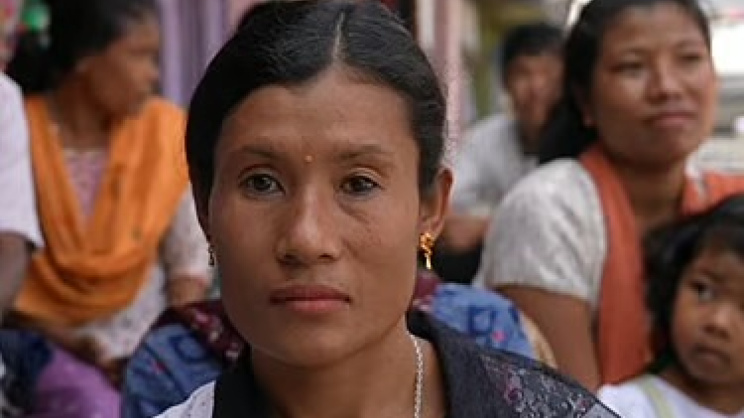
Despite these efforts, challenges remain. The small Toto community living along the Torsa River in Alipurduar continues to struggle to preserve its linguistic heritage. Modern education systems, the growing influence of outside cultures, and the community’s limited population all threaten the survival of the language.
Still, with renewed initiatives and the involvement of younger generations, the Toto people are continuing their efforts to protect and sustain their language and cultural identity.
 For all latest news, follow The Daily Star's Google News channel.
Comments