


Food processing through the ages: From fire to factories

The history of food processing is, in many ways, the history of human survival. Long before factories and automated production lines existed, people relied on simple preservation techniques to ensure food remained edible during harsh seasons, long journeys and times of scarcity. Over thousands of years, those basic practices evolved into one of the world’s most technologically advanced industries.
Today, food processing plants powered by artificial intelligence, robotics and real-time monitoring systems produce millions of tonnes of food each year while meeting increasingly strict safety and quality standards. The journey from drying meat over open fires to operating smart factories reflects a continuous pursuit of efficiency, safety and food security.

Preserving Food for Survival
Food processing predates recorded history. Early humans quickly realised that fresh food spoiled rapidly and began experimenting with preservation techniques using naturally available resources. Sundrying, smoking, salting and fermentation became essential methods for extending the shelf life of meat, fish, fruits and grains. These techniques allowed communities to survive droughts, harsh winters and long migrations while reducing food waste.
Among these methods, fermentation proved particularly enduring. Foods such as bread, cheese, yoghurt and fermented vegetables remain staples in modern diets, demonstrating how ancient knowledge continues to shape contemporary food production.

Modern Food Processing began
For centuries, food preservation methods changed little. A major breakthrough arrived during the Napoleonic era when military logistics created an urgent need for long-lasting food supplies.
In 1795, French leader Napoleon Bonaparte offered a substantial reward to anyone who could develop an effective method of preserving food for his armies. French confectioner Nicolas Appert answered the challenge by sealing cooked food inside glass jars before heating them to prevent spoilage. His discovery became the foundation of modern canning.
The innovation soon inspired further developments. British merchant Peter Durand later patented the tin can, making preserved food more durable and suitable for transportation over long distances. These inventions marked the beginning of commercial food preservation and paved the way for mechanised food production.
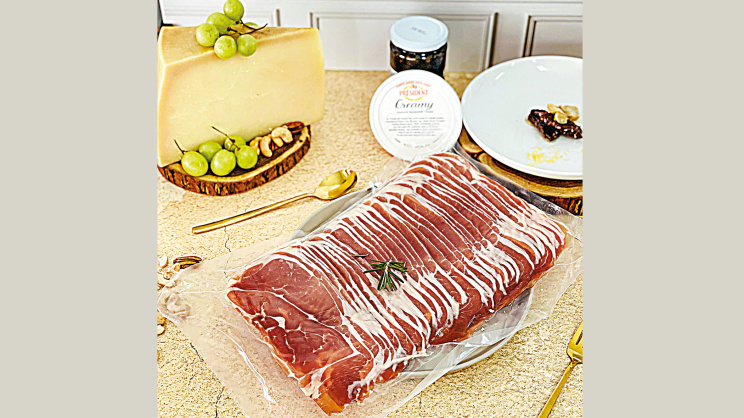
The emergence of canning factories during the Industrial Revolution represented one of the earliest examples of food being processed on an industrial scale.
Necessity once again became the mother of innovation
The rapid industrial growth of the late 19th and early 20th centuries transformed food manufacturing. Mechanised equipment improved productivity while railways and steamships expanded food distribution across countries and continents.
During the First and Second World Wars, military demand drove the development of preservation techniques that could supply troops with safe, nutritious food under difficult conditions. Spray drying, vacuum packaging and freeze-drying gained prominence during this period. Shelf-stable products, including powdered eggs, canned meat and military ration packs, became essential wartime supplies before finding widespread civilian use after the wars. Many preservation technologies now common in supermarkets originated from these wartime innovations.
Moving on to convenience
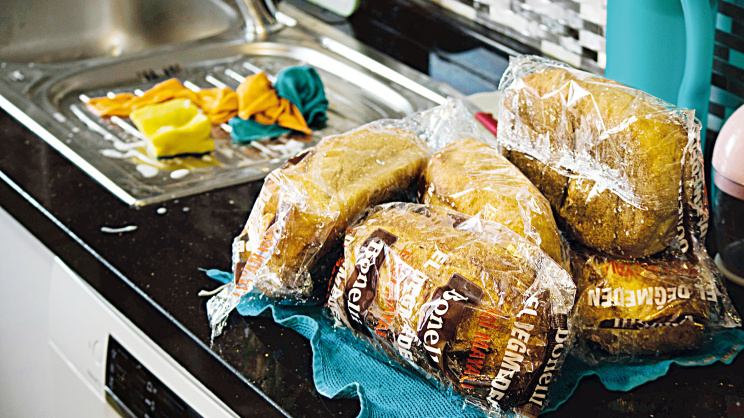
Economic prosperity following the Second World War dramatically changed consumer lifestyles and food habits, particularly in Europe and North America. Urbanisation, rising household incomes and the increasing participation of women in the workforce fuelled demand for convenient meal options. Frozen foods, ready-to-eat meals, instant products and microwave-friendly packaging quickly became household essentials.
Keeping that in mind, food manufacturers shifted their focus beyond preservation to improving flavour, texture, appearance and convenience. Large-scale supermarkets expanded rapidly, while global food brands established extensive production and distribution networks. In this era, food processing has transformed from a necessity into a major consumer industry.
And automation entered the scene
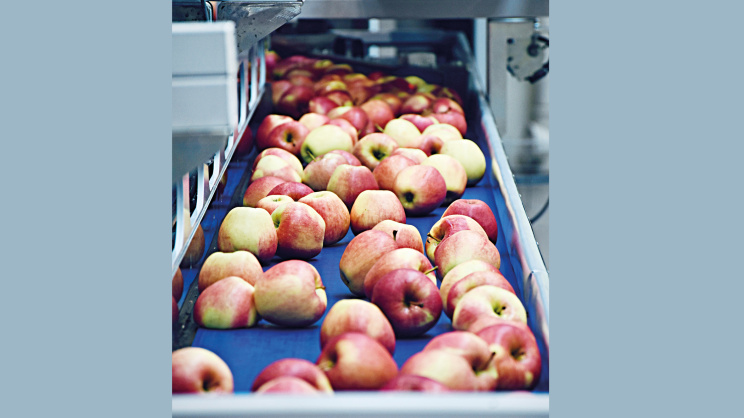
By the 1980s and 1990s, automation had become a defining feature of food manufacturing. Computer-controlled production lines, conveyor systems, automated mixers and programmable processing equipment enabled factories to produce consistent, high-quality products at unprecedented speed. Improved sanitation standards and quality control systems also strengthened consumer confidence and facilitated international food trade. Growing global demand for processed foods encouraged manufacturers to adopt specialised machinery capable of producing pasta, snacks, cereals, confectionery and pet food with greater efficiency. Automation also reduced labour-intensive operations while increasing production capacity and ensuring compliance with increasingly stringent food safety regulations.
The Age of Smart Factories
AI, robotics, IoT, and data analytics allow food manufacturers to monitor equipment in real time, optimise energy, and improve supply chain traceability. Meanwhile, blockchain enhances farm-to-table tracking to meet global safety standards.
 For all latest news, follow The Daily Star's Google News channel.
 To address shifting consumer demands, producers are adopting flexible systems to manufacture speciality items like plant-based, gluten-free, and functional foods. These smart factories enable quicker market responses while reducing waste and improving sustainability.
The processing goes on…
From ancient preservation to modern automation, food processing has continuously evolved to feed a growing global population. To address climate and resource challenges, future innovations will increasingly integrate AI, automation, and sustainable practices to minimise waste and improve production efficiency.
Comments