


Dhaka’s newest fashion brand focuses on clean cuts and comfort
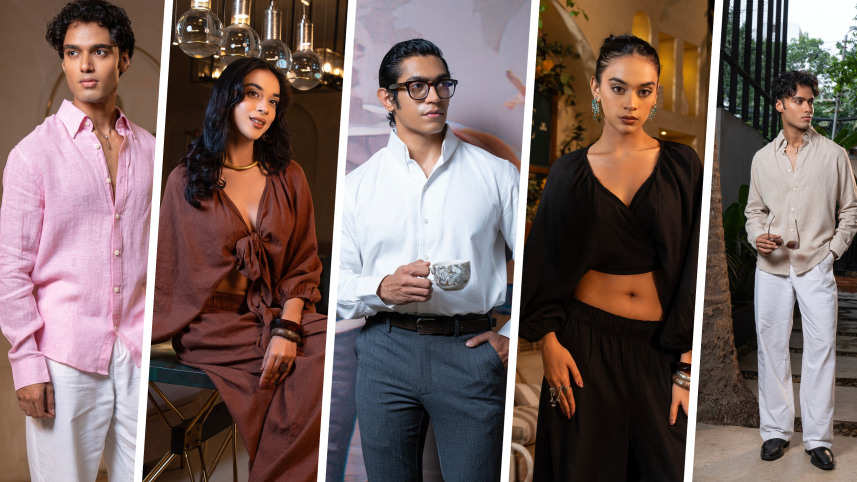
What made two people from the food and hospitality industry decide to enter fashion? For Taskin Rahman and Samira Hamid, the answer began with a simple observation about Dhaka’s clothing culture.
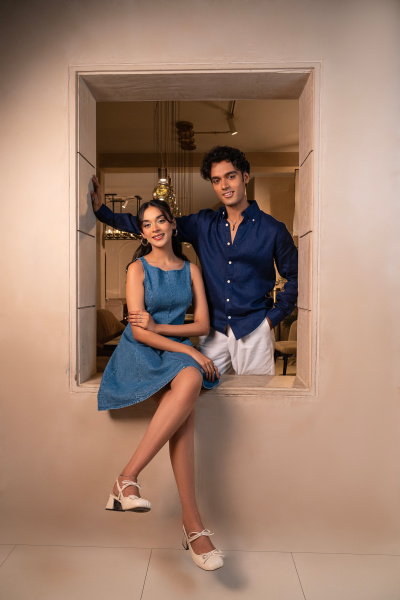

“If someone buys a panjabi or shirt for Eid and goes to a café, you often see 25 other people wearing the same thing,” says Rahman, the founder of Caleo Collective. “We wanted to create something comfortable, versatile, and still within most people’s price range.”
That frustration with repetitive fashion, synthetic fabrics, and predictable design choices eventually led the duo to launch their fashion brand, a contemporary clothing label focused on relaxed silhouettes, breathable fabrics, and understated style.
But for the founders, this was less a sudden career shift and more a return to an older idea.

Long before Rahman became known through The Food Talk and before Hamid established herself in Bangladesh’s restaurant and garment industries, the two friends were already experimenting with fashion. From around 2004 to 2008, they ran a small student-led T-shirt company called Crank, designing humorous graphic tees in their early years.
“We made T-shirts back then as students,” recalls Rahman. “Then life happened, Samira moved to London, and we both got busy with our professional lives.”
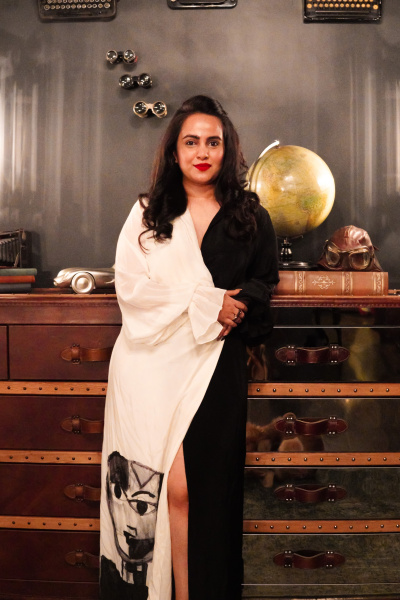
Hamid, the co-founder of Caleo Collective, has spent more than a decade in London before returning to Bangladesh.
“Bangladesh is globally recognised for garments, but most of that production is export-oriented,” explains Hamid, adding, “At the same time, there is a massive demand in the local market for good-quality clothing. We wanted to create a brand that reflects a more responsible and sustainable future while still feeling modern and wearable.”
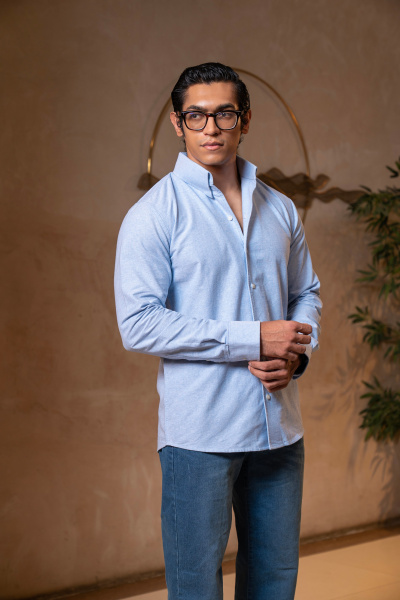
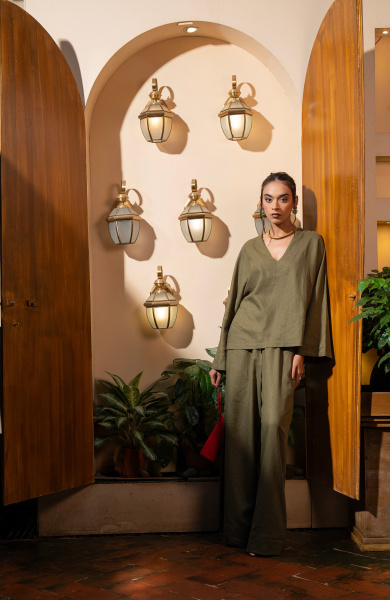
That thinking shaped the identity of the newly launched fashion brand. Instead of loud graphics or trend-heavy fashion, the brand focuses on clean cuts, muted colours, and relaxed tailoring designed specifically for Bangladesh’s climate.
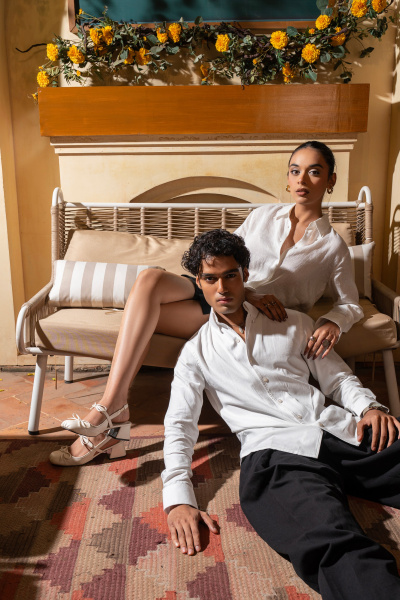
“We wanted timeless pieces,” Hamid explains. “Not overly colourful, not trend-dependent. Just clean silhouettes, relaxed fits, and fabrics people actually feel comfortable wearing in this weather.”
The founders initially planned to focus only on menswear. But customer behaviour quickly redirected the brand.
“We started with linen clothing for men because we saw a gap there,” says Rahman. “Then we participated in a fair, and most of the customers were women or accompanied by women. That’s how the women’s line happened.”
Interestingly, both founders believe their experiences in food and hospitality helped shape their approach to fashion. Running restaurants, Hamid says, taught her how quickly consumer expectations evolve.
“In the food business, adaptability is everything,” she shares. “You constantly deal with changing customer behaviour, feedback, and trends. Fashion is also very agile in the same way.”
Rahman agrees, though he believes the brand is still in its experimental stage. What has encouraged them so far is customer loyalty.
 For all latest news, follow The Daily Star's Google News channel.
 “A majority of our customers are repeat buyers,” he informs. “Some people came back and bought every colour from a collection. Linen changes over time and gets better with wear, and I think customers are beginning to appreciate that.”
While the fashion brand is still relatively new, the founders do not dismiss the possibility of taking it beyond Bangladesh one day.
“It’s definitely possible,” remarks Hamid. “But right now, we want to build the brand properly first.”
For now, the brand sits somewhere between fashion label and lifestyle experiment. Built by two founders who spent years understanding how people consume, gather, and respond to experiences, the brand reflects a quieter idea of style.
Photo: Courtesy
Comments